
call us 24/7 1-800-738-WE-WIN
call us 24/7 1-800-738-WE-WIN
Serving All of Georgia, Florida, & Texas
Can I Sue My Friend for Crashing My Car?
Last Updated: November 12, 2026
Quick Summary
Yes, you can generally sue my friend for crashing your car if you can prove duty, breach, causation, and damages in a negligence claim. However, cases involving only vehicle damage seldom make financial sense because the cost of pursuing the case can outweigh the recovery. Suing may make the most sense when injuries, lost wages, or costs beyond policy limits are involved.
- Report the crash to your insurer promptly, since a late report gives an insurer room to question the claim later.
- Under permissive use, the vehicle owner’s policy is usually primary insurance and the driver’s policy is secondary coverage.
- Collision coverage on your policy pays for repairs to your own car after the deductible, regardless of who was driving.
- For property damage alone, a third-party claim or small claims court may be a faster route than suing.
- Consider legal advice when injuries, disputed fault, or costs beyond policy limits enter the picture.
Table of Contents
- After the Crash: A Time-Ordered Checklist
- If Someone Else Is Driving My Car and Gets in an Accident, Am I Liable?
- Whose Insurance Covers an Accident When Someone Else Drives My Car?
- Can I Sue Someone for Crashing My Car?
- Friend Crashed My Car and Won’t Pay: Your Options When They Refuse
- Permission Edge Cases and Coverage Exclusions
- When to Get Legal Advice on Your Legal Options After a Friend Crashes Your Car
- Frequently Asked Questions
After the Crash: A Time-Ordered Checklist
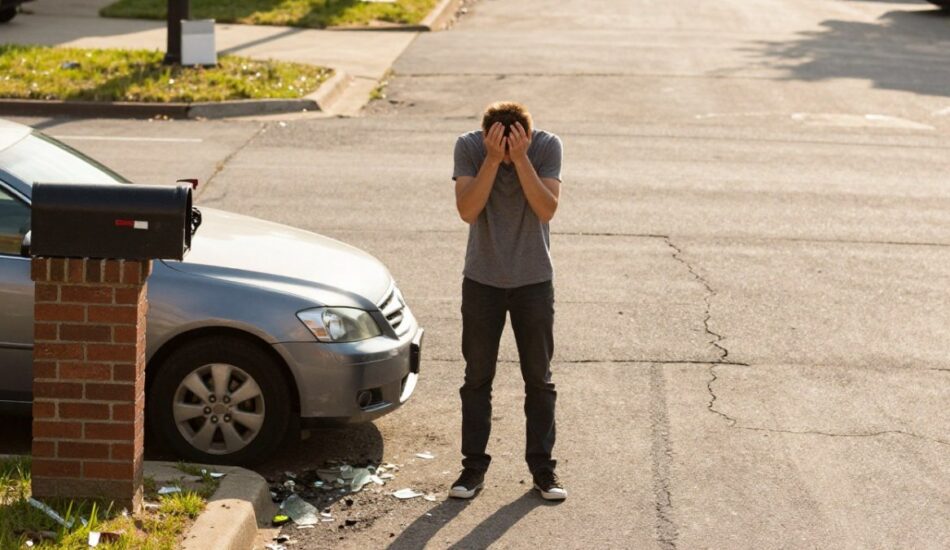
A friend borrows your car, calls you an hour later, and the front end is crumpled. Your first thought is likely about the damage. The first 48 hours after a crash can shape what follows, including your legal options after a friend crashes your car. (Source: National Association of Insurance Commissioners)
Here is the order that matters, with the specifics that make each step useful later:
- Make sure everyone is safe. Call 911 if anyone is hurt. Even minor pain can worsen overnight. If the vehicles are drivable and no one is injured, move them to the shoulder or a nearby parking lot to avoid a secondary collision. Turn on hazard lights and set out warning triangles if you have them.
- Call the police. A police report creates an official record of what happened and who was driving. Ask the responding officer for the report number before they leave. Check with the responding agency or your state’s motor vehicle department for how to request a copy of the report and whether a self-report is available for minor crashes.
- Photograph everything. Both vehicles, the scene, road conditions, and any visible injuries. Take wide shots showing the position of the cars relative to lane markings and traffic signals, then close-ups of damage from multiple angles. Photograph license plates, the other driver’s insurance card, and the vehicle identification number (VIN) on the dashboard. If there are skid marks or debris, photograph those too. Timestamped photos are harder to dispute later.
- Exchange information. Names, phone numbers, license plates, and insurance details from every driver involved. Also collect the names and contact information of any passengers and witnesses. Ask witnesses what they saw and whether they are willing to provide a written statement. A neutral witness account can resolve a fault dispute that would otherwise become a swearing match.
- Notify your insurer. Report the crash promptly. Most policies require timely notice, though the exact language and any deadline vary by policy, so check yours. When you call, provide the facts you know and avoid speculating about fault. Ask whether your policy requires you to submit a written statement or use a mobile app to upload photos. Get the claim number and the name of the adjuster assigned to your file.
- Write down what happened. Memory fades fast, and details matter later. Create a simple timeline: when your friend borrowed the car, where they were going, when they called you, and what they said. Save any text messages or voicemails about the crash. If your friend admits fault in a text, that message may be useful evidence later, but do not coach them or ask them to repeat it.
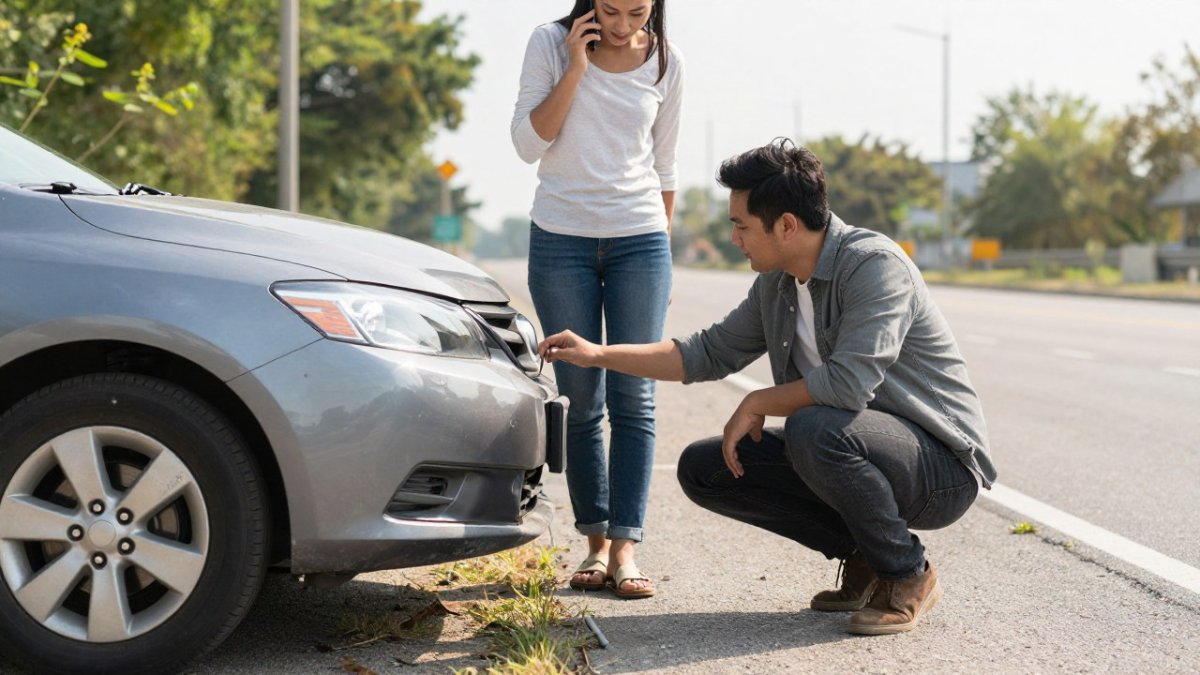
Do not skip step five. A late report gives an insurer room to question the claim later.
For a fuller walkthrough, our steps to take after a car accident guide covers each stage in detail.
If Someone Else Is Driving My Car and Gets in an Accident, Am I Liable?
The short answer: often, yes, but it depends on permission. Liability usually follows the permissive use rule. When you lend your car to someone and they drive it with your consent, your personal auto insurance generally responds first.
That surprises most people. They assume the driver’s policy handles everything. In practice, the vehicle owner’s policy is usually primary insurance, and the driver’s policy becomes secondary coverage.
Two factors change this:
- Permission. A friend with your clear consent is a permissive driver. A friend who took the keys without asking is not.
- Negligent entrustment. You can share liability if you knowingly lend a car to someone you know is unsafe or unlicensed.
We cover the full picture in our guide on whether you are liable if someone crashes your car.
Whose Insurance Covers an Accident When Someone Else Drives My Car?
Whose insurance covers an accident when someone else drives my car? The owner’s policy typically pays first, then the driver’s policy, then any applicable uninsured or underinsured motorist coverage. The order matters because coverage limits cap what each policy pays.
Here is how the layers usually stack:
Layer | Policy | What It Covers |
|---|---|---|
1 | Owner’s liability coverage | Bodily injury and property damage to others |
2 | Driver’s liability coverage | Excess costs above the owner’s limits |
3 | Collision coverage | Damage to your own car, minus the deductible |
4 | Uninsured/underinsured motorist | Gaps when the at-fault driver lacks coverage |
Collision coverage is the part people forget. If your friend was at fault and your own car is damaged, collision coverage on your policy pays for repairs after the deductible, regardless of who was driving.
When repair costs exceed the available policy limits, the shortfall can become an out-of-pocket cost for whoever is found at fault.
Can I Sue Someone for Crashing My Car?
Yes, you can generally sue my friend for crashing your car, but winning and collecting are different questions. A negligence claim requires four elements: duty, breach, causation, and damages. You must prove the driver owed you a duty of care, broke it, caused the crash, and caused measurable loss.
The practical hurdle is money. Legal guidance on Avvo’s legal Q&A on suing a friend over vehicle damage notes that cases involving only vehicle damage seldom make financial sense, because the cost of pursuing the case can outweigh the recovery. (Source: National Highway Traffic Safety Administration)
Before filing, weigh these factors:
- The size of the loss. Repairs, rental costs, and diminished value add up.
- Insurance already paid. If your insurer covered the damage, they may hold the right to pursue the at-fault driver, not you.
- The relationship. Suing a friend is a serious step with social and financial fallout.
Suing may make the most sense when injuries, lost wages, or costs beyond policy limits are involved. For property damage alone, a third-party claim or small claims court may be a faster route.
Friend Crashed My Car and Won’t Pay: Your Options When They Refuse
A friend crashed my car and won’t pay. That silence is common, and it leaves you with several routes. Start with a written request. A calm message that lists the repair estimate and a payment deadline creates a record and often resolves the matter.
If that fails, work through these options in order:
- File with your own insurer. Let your collision coverage handle repairs, then let the insurer pursue repayment.
- File a third-party claim against the friend’s liability policy.
- Try mediation. A neutral third party can settle a dispute without court.
- Go to small claims court for smaller amounts. The process is simpler and usually does not require a lawyer.
- Consult an attorney if injuries or large sums are involved.
Expect pushback. Insurers on either side may question fault, delay payment, or ask for recorded statements. Our guide to insurance company tactics after a car accident explains the tricks to recognize.
Document every conversation in writing. Texts and emails hold up better than memory.
Permission Edge Cases and Coverage Exclusions
Coverage hinges on permission, and the edges are where claims can become disputed. Whether a driver is covered depends on the policy terms and on state law, which insurers apply case by case. Check your policy for excluded drivers, and confirm with your insurer in writing when permission is unclear.
Common edge cases where coverage may be disputed include:
- Household members. Some policies exclude resident family members unless they are listed as drivers. Check whether your policy has such a provision.
- Regular use. Permissive use is generally understood to cover occasional borrowing rather than a standing arrangement. Whether a pattern of regular use affects coverage depends on the policy and state law.
- Commercial use. Personal auto policies often exclude use for delivery, livery or rideshare work (Ride-sharing and insurance: Q&A). Review your policy’s exclusions.
- Unlicensed or unsafe drivers. Lending a car to someone you know is unlicensed or unsafe can create a negligent entrustment issue in addition to any coverage question.
- Unauthorized use. Whether a driver who took the car without asking is covered depends on the policy language and state law.
State law adds another layer, and rules on injury claims and financial responsibility vary by state. Always check your own policy language before assuming coverage, and if the crash involves injuries or a disputed permission issue, a local attorney can explain how your state’s rules apply.
A practical way to think about it: ask whether the friend’s use was occasional, personal borrowing.
When to Get Legal Advice on Your Legal Options After a Friend Crashes Your Car
Consider legal advice when injuries, disputed fault, or costs beyond policy limits enter the picture. Those are the situations where professional help may be worth the cost. A consultation can help clarify your position.
Bring these to the meeting:
- The police report and photos
- Your insurance policy and claim number
- Repair estimates and medical records
- Any messages with your friend about payment
Ask direct questions. Our guide on questions to ask before hiring a lawyer covers what to raise. Merritt & Merritt Law Firm offers 24-hour service and can meet clients at home, in the hospital, or at its office. The firm’s contingency fee structure means clients pay only if the firm wins.
A friend’s crash can leave you covering repairs, facing a premium increase, and unsure who owes what. Merritt & Merritt Law Firm brings over 45 years of trial experience to cases like these. We investigate the claim, hold the responsible party accountable, and set clear expectations from day one.
Frequently Asked Questions
Am I liable if my friend crashes my car?
Possibly. Liability depends on your state’s permissive use rules and whether your friend had permission to drive. If you gave permission and your friend was negligent, your personal auto insurance policy is often the first to respond. You could also face negligent entrustment claims if you knew the friend was an unsafe driver. An attorney can review your specific facts and state law to clarify your exposure.
Does my insurance go up if my friend crashes my car?
Your premium may increase if a claim is filed against your policy, even when your friend was driving. The exact impact depends on your insurer, your claims history, and state law. Filing a claim under your collision coverage could affect your premium, while a third-party claim against the friend’s policy may not. Check your policy and ask your insurer how a claim would be rated before deciding.
Can I sue my friend for crashing my car?
You generally can sue a friend for negligence that caused vehicle damage, but the practical value depends on the amount of damage and the friend’s ability to pay. Small claims court may be an option for lower amounts. For larger losses, a demand letter and a third-party insurance claim are often tried first. An attorney can tell you whether suing your friend makes financial sense in your state.
What should I do if my friend crashed my car and won’t pay?
Start by documenting the crash, preserving the police report, and sending a written demand for reimbursement. If the friend still refuses, you can file a claim with your own insurer if you have collision coverage, or pursue a third-party claim against the friend’s policy. Small claims court is an option for smaller amounts. Keep records of all communications and consider a consultation with an attorney before suing.

Our Locations

Atlanta/Decatur
1 West Court Square
Suite 750
Decatur, GA 30030

Savannah
100 Bull Street
Suite 200
Savannah, GA 31401
Statesboro
15 West Main Street
Statesboro, GA 30458

Houston
1415 Louisiana Street,
Suite 1800,
Houston, TX 77002

Jacksonville
841 Prudential Drive
12th Floor
Jacksonville, FL 32207

Contact Us
© Copyright 2026 Merritt & Merritt Law Firm. All rights reserved.