
call us 24/7 1-800-738-WE-WIN
call us 24/7 1-800-738-WE-WIN
Serving All of Georgia, Florida, & Texas
Are You Liable If Someone Crashes Your Car?
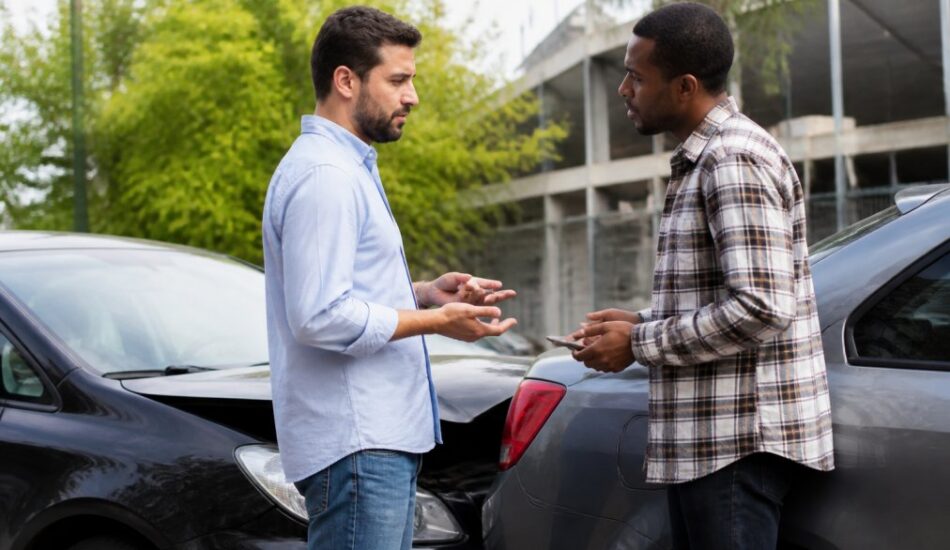
Table of Contents
- Does Insurance Follow the Car or the Driver?
- Your Liability When Someone Crashes Your Car
- Negligent Entrustment Laws and Personal Liability
- What to Do After a Car Accident
- Excluded Drivers and Coverage Gaps
- When You Might Face Personal Liability
- How Insurance Premiums Are Affected
- Frequently Asked Questions
Last Updated: August 30, 2026
Does Insurance Follow the Car or the Driver?
Insurance follows the car, not the driver. When someone borrows your vehicle and causes an accident, your auto insurance policy is the primary coverage that responds to claims. Your insurance policy is tied to the vehicle’s registration and VIN, not to who’s behind the wheel. If your friend, family member, or anyone else you’ve given permission to drive causes an accident, your policy typically covers the damages first.
Call the Merritt & Merritt Law Firm at 404-975-1775. Offices Atlanta/Decatur, Savannah, Statesboro, and Houston.
However, this rule has important exceptions. If you didn’t give permission for someone to drive your car, your coverage may not apply at all. The distinction between permissive and non-permissive use determines whether your policy covers the accident. Additionally, some drivers may be specifically excluded from your policy, creating coverage gaps you need to understand.
Your Liability When Someone Crashes Your Car
When someone crashes your car, you face potential liability depending on state law, insurance coverage, and whether you gave permission to drive. In most states, you’re legally responsible for damages caused by someone driving your vehicle if you permitted them to drive. This is called vicarious liability, and it makes you financially responsible for their negligence even though you weren’t driving.
The amount you’re liable for depends on your liability coverage limits. Most states require minimum liability coverage, but many accident victims’ damages exceed these minimums (iii.org). If someone is seriously injured in an accident caused by a driver you permitted, medical bills and lost wages can quickly surpass standard coverage limits, exposing your personal assets.
Permissive vs. Non-Permissive Use
Permissive use means you explicitly or implicitly allowed someone to drive your vehicle. Non-permissive use means they drove without your permission. This distinction determines whether your insurance covers the accident at all.
If you gave someone permission to drive, whether explicitly (“Sure, take my car”) or implicitly (leaving keys in the ignition, knowing someone would drive it), your insurance should cover an accident they cause. Courts and insurance companies recognize both express permission and implied permission (nolo.com). The key question is whether the driver had reasonable grounds to believe you consented to them driving your vehicle.
Non-permissive use is different. If someone steals your car or drives it without any reasonable belief that you permitted it, your liability coverage typically doesn’t apply. Your comprehensive or collision coverage might pay for damage to your own vehicle, but you’re not liable for damages they cause to others because you didn’t authorize them to drive.
At-Fault State Laws and Your Financial Responsibility
Most states are at-fault states, meaning the driver who caused the accident is financially responsible for damages (iii.org). In at-fault states, the at-fault driver’s liability insurance pays for injuries and property damage to others. But if you permitted that driver to use your car, you share liability as the vehicle owner.
At-fault state laws create a chain of responsibility. The at-fault driver is primarily liable, but you as the vehicle owner can also be held liable, especially if the injured party sues you directly. Your financial responsibility goes beyond just your insurance coverage. If someone is seriously injured and the at-fault driver’s insurance doesn’t fully cover damages, the injured party can sue you personally.
Some states have comparative negligence rules, which affect liability differently. In comparative negligence states, liability is divided based on each party’s degree of fault. This can reduce your liability if the injured party was partially at fault, but it doesn’t eliminate it entirely if you permitted the driver to use your car.
Negligent Entrustment Laws and Personal Liability
Negligent entrustment is a legal doctrine that can make you personally liable even beyond your insurance coverage. Negligent entrustment occurs when you give someone permission to drive your vehicle knowing they’re unfit to drive safely. This applies whether they’re an excluded driver on your policy, have a suspended license, are intoxicated, or have a history of reckless driving.
Courts define negligent entrustment as entrusting a vehicle to someone when you know, or should know, that the person is incompetent, reckless, or otherwise unfit to drive. If you lend your car to someone with a suspended license, you’re knowingly entrusting the vehicle to an unfit driver. If you lend it to someone you know has been drinking, that’s particularly egregious.
Negligent entrustment creates personal liability that goes beyond your insurance policy. Insurance companies often exclude coverage for negligent entrustment claims, meaning you’re personally responsible for damages. This can mean paying medical bills, lost wages, and pain-and-suffering damages directly from your own assets.
What to Do After a Car Accident
The immediate steps you take after someone crashes your car affect your liability and insurance coverage.
Immediate Steps at the Scene
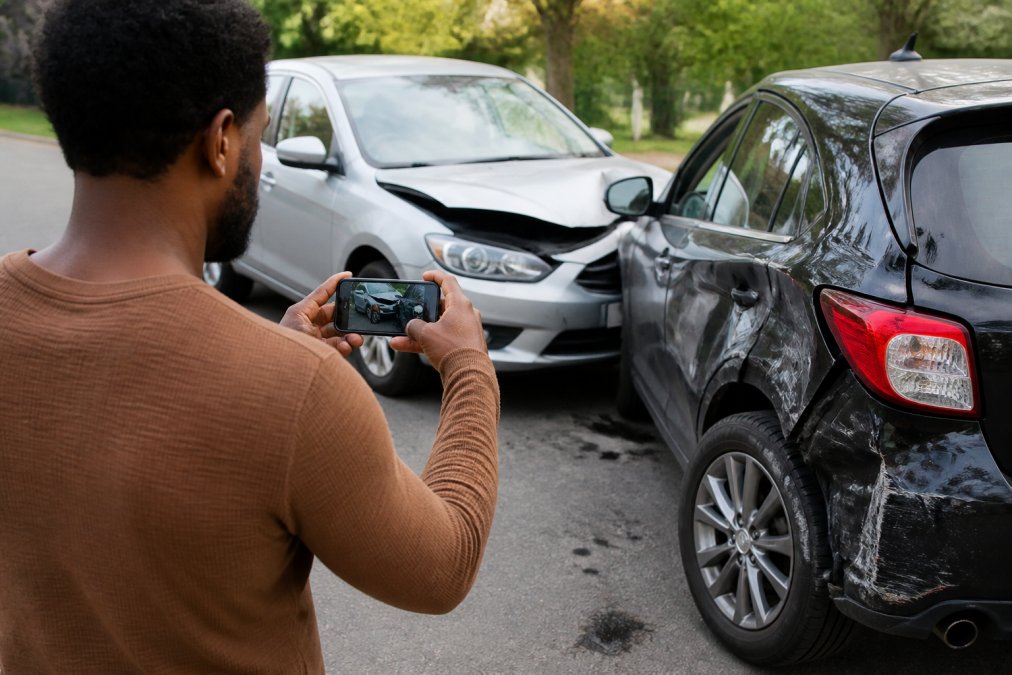
First, ensure everyone’s safety. Move vehicles to a safe location if possible, turn on hazard lights, and check for injuries. Call 911 if anyone is hurt. Get the other driver’s information: name, phone number, address, driver’s license number, vehicle identification number (VIN), license plate, and insurance company details. Take photos of vehicle damage, accident scene, road conditions, traffic signs, and any visible injuries.
Don’t admit fault or apologize for the accident. Statements like “I’m sorry” or “This is my fault” can be used against you in court. Stick to factual statements. Get contact information from witnesses, as their statements can be crucial if liability is disputed.
Reporting and Documentation
Report the accident to your insurance company promptly. Most policies require reporting within 24 to 48 hours. Provide factual information about what happened, but don’t speculate about fault or injuries. Request a copy of the police report once it’s filed. The report number and officer’s name go on your insurance claim.
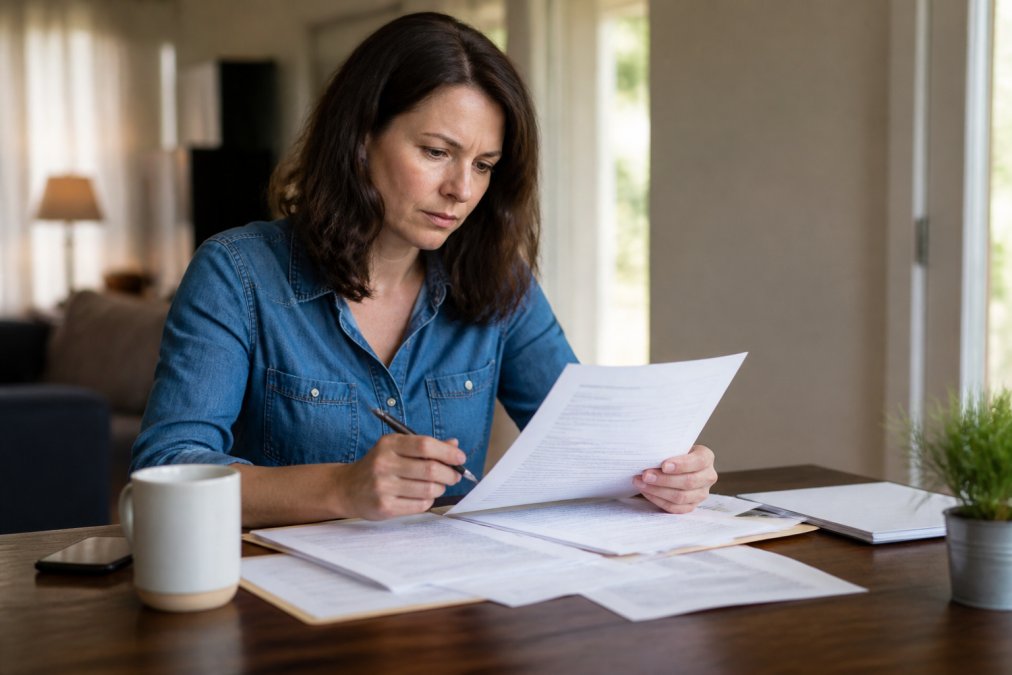
Keep all documentation: medical records, repair estimates, receipts for rental cars, and records of lost wages if you were injured. Don’t sign anything the other driver or their insurance company asks you to sign without reviewing it carefully. Don’t give a recorded statement to the other driver’s insurance company without consulting an attorney first.
Schedule a Free Consultation →
Excluded Drivers and Coverage Gaps
Excluded drivers are people specifically listed on your insurance policy as not covered. If an excluded driver causes an accident, your insurance won’t cover their liability or damage to your vehicle. This is a critical coverage gap that many people don’t understand.
Insurance companies allow you to exclude drivers to lower your premiums. However, if that excluded driver uses your vehicle and causes an accident, you’re personally liable for all damages. A spouse, adult child, or roommate might borrow your car without thinking about the exclusion. If they cause an accident, you’re completely uninsured for their liability.
Some states restrict your ability to exclude drivers, particularly spouses or household members. Check your state’s regulations because excluding someone might not be permitted. Even if it is, make sure everyone in your household knows they’re excluded and understands the liability risk if they drive.
When You Might Face Personal Liability
Personal liability goes beyond your insurance coverage in specific situations. You’re personally liable when your insurance doesn’t cover the accident. This happens with excluded drivers, non-permissive use, or when damages exceed your coverage limits. If someone sues you for more than your liability limits, the judgment against you can exceed what your insurance pays.
You’re also personally liable for negligent entrustment. If you knowingly lend your car to someone unfit to drive, you’re personally responsible for their actions. Punitive damages create another source of personal liability. If the at-fault driver was grossly negligent, reckless, or driving under the influence, a court might award punitive damages beyond compensatory damages, which are sometimes not covered by insurance.
Umbrella Insurance Coverage
Umbrella insurance provides additional liability coverage beyond your auto insurance limits. If you’re sued for more than your auto policy covers, umbrella insurance kicks in to cover the excess. Umbrella policies typically start at $1 million in coverage and are relatively inexpensive because they only apply after your primary insurance is exhausted.
Umbrella insurance covers liability from various sources: auto accidents, home accidents, or other incidents where you’re sued. It provides a safety net that protects your personal assets from large judgments. Without it, a serious accident could result in wage garnishment or asset seizure to satisfy a judgment.
No-Fault Insurance States
No-fault insurance states operate differently. In these states, your own insurance covers your injuries regardless of who caused the accident. However, no-fault doesn’t eliminate liability for property damage or serious injuries that exceed no-fault benefits.
In no-fault states, you’re still liable for damages you cause to other people’s vehicles and property. Your liability coverage still applies. No-fault states have “threshold” requirements that determine when someone can sue for pain and suffering. If injuries exceed the threshold, the injured party can sue despite the no-fault system.
How Insurance Premiums Are Affected
An accident caused by someone you permitted to drive affects your insurance premiums. Even though you weren’t driving, the accident is charged to your policy and your rates increase. Insurance companies view accidents as claims against your policy, and the claim increases your risk profile. Your premiums typically increase for three to five years following an accident.
The amount of the premium increase depends on the accident’s severity and your driving history. A minor accident with low damages might increase your premium by 10 to 15 percent. A serious accident with high damages could increase it by 25 to 40 percent or more. You can reduce premium increases by maintaining a clean driving record, taking defensive driving courses, or increasing your deductible. Shopping for quotes from other insurers can also help if your current company raises rates significantly.
When someone crashes your car, your liability depends on permission, state law, and insurance coverage. Understanding these liability rules helps you make informed decisions about who drives your vehicle and what insurance coverage you need.
At Merritt & Merritt Law Firm, we help accident victims and vehicle owners navigate liability disputes and insurance claims. With over 45 years of trial experience, our team investigates claims thoroughly to hold liable parties accountable. If you’re facing questions about liability after an accident, schedule a free consultation with our team. We’re available 24 hours and can meet you at home, your office, or the hospital. You pay only if we win.
Frequently Asked Questions
Am I liable if someone else crashes my car with my permission?
Liability depends on whether you gave permissive use. If you allowed someone to drive your car, your insurance typically covers damages up to your policy limits. However, you may face personal liability if damages exceed your coverage limits or if you’re found to have been negligent in entrusting the vehicle to an unfit driver. The driver’s negligence is what caused the accident, but as the vehicle owner, you bear some responsibility for who you allow behind the wheel.
Does my car insurance follow the car or the driver?
Insurance follows the car, not the driver. Your auto insurance policy covers your vehicle regardless of who is driving it (with permission). When someone crashes your car, your liability coverage typically pays for damages to the other party’s property and injuries, up to your policy limits. However, the driver’s own insurance may provide secondary coverage. This is why permissive use matters—if the driver had your permission, your primary insurance applies.
What is negligent entrustment, and could I be sued for it?
Negligent entrustment occurs when you knowingly allow an unfit driver to use your vehicle, and that driver causes an accident. Examples include lending your car to someone you know is intoxicated, unlicensed, or has a history of reckless driving. If you’re found liable for negligent entrustment, you may face a personal lawsuit beyond your insurance coverage. This is a serious legal doctrine that can hold you personally responsible for damages caused by a driver you entrusted with your vehicle.
What should I do immediately after someone crashes my car?
First, ensure everyone is safe and call 911 if there are injuries. Exchange contact and insurance information with the other driver. Document the scene with photos of vehicle damage, road conditions, and the other vehicle’s license plate. Get the police report number. Do not admit fault or sign anything except for police officers. Contact your insurance company promptly and provide a factual account of what happened. Keep all documentation and avoid discussing the accident on social media.
Our Locations

Atlanta/Decatur
1 West Court Square
Suite 750
Decatur, GA 30030
Savannah
100 Bull Street
Suite 200
Savannah, GA 31401
Statesboro
15 West Main Street
Statesboro, GA 30458
Houston
1415 Louisiana Street,
Suite 1800,
Houston, TX 77002

Jacksonville
841 Prudential Drive
12th Floor
Jacksonville, FL 32207

Contact Us
© Copyright 2026 Merritt & Merritt Law Firm. All rights reserved.