
call us 24/7 1-800-738-WE-WIN
call us 24/7 1-800-738-WE-WIN
Serving All of Georgia, Florida, & Texas
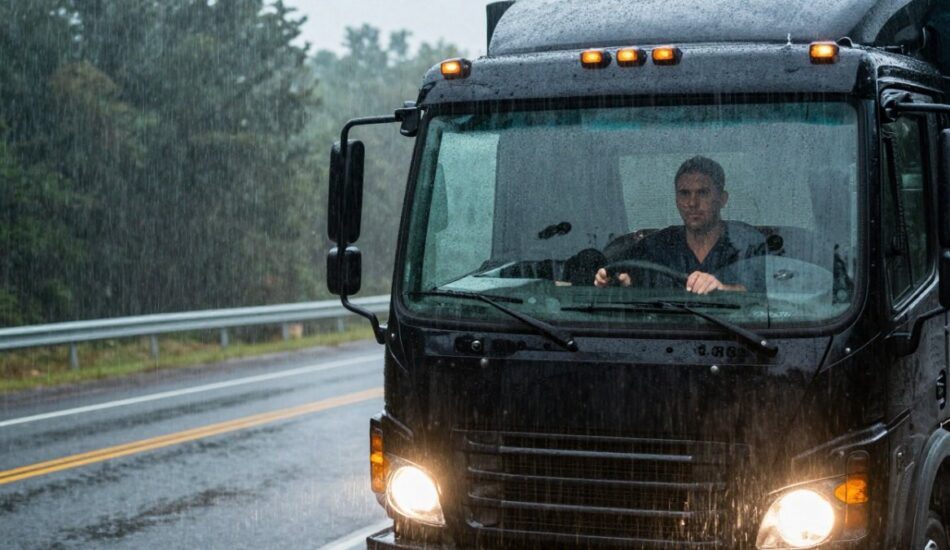
How to Prove Adverse Driving Conditions for HOS Compliance
Last Updated: November 17, 2026
Quick Summary
To prove adverse driving conditions for HOS compliance, show that weather, road, or traffic conditions were unknown at dispatch and made driving less safe than expected. Annotate the exception in your electronic logging device and keep supporting evidence, such as weather alerts, road closure notices, and dispatch records.
- Conditions must have been unexpected and not reasonably foreseeable when the trip was dispatched.
- Sudden snowstorms, unexpected road closures, and crashes blocking traffic can qualify.
- Heavy traffic normal for the route and forecasts known before dispatch generally do not qualify.
- Annotate the exception in your electronic logging device when it applies.
- Save weather alerts, road closure notices, dispatch records, and photos or messages showing conditions.
Table of Contents
- Confirm Your Situation Qualifies Under the FMCSA Exception
- Adverse Driving Conditions Examples That Qualify and Those That Do Not
- Log the Exception and Keep Evidence to Support Your Next Steps
- Frequently Asked Questions
Truck drivers facing bad roads or weather may need more hours than standard limits allow. The FMCSA’s adverse driving conditions exception can extend your driving window, but only if you can show the conditions qualified.
Adverse driving conditions are weather, road, or traffic conditions not known at dispatch that make driving less safe than expected. The exception is not a blanket excuse for running late.
Confirm Your Situation Qualifies Under the FMCSA Exception
Before you annotate anything, confirm the conditions were unexpected and not reasonably foreseeable when the trip was dispatched.
If anything is unclear, review your records before relying on the exception. See our Truck Driver Hours of Service Violations Explained guide.
Adverse Driving Conditions Examples That Qualify and Those That Do Not
Qualifying examples can include sudden snowstorms, unexpected road closures, or a crash that blocks traffic without warning.
Examples that generally do not qualify include heavy traffic normal for the route at that hour, weather forecast before dispatch, and delays from poor trip planning.
If fatigue is part of your situation, review Georgia Truck Accident Laws on Driver Fatigue. (Source: electronic logging device)
Log the Exception and Keep Evidence to Support Your Next Steps
Annotate the exception in your electronic logging device when it applies, then keep supporting proof.
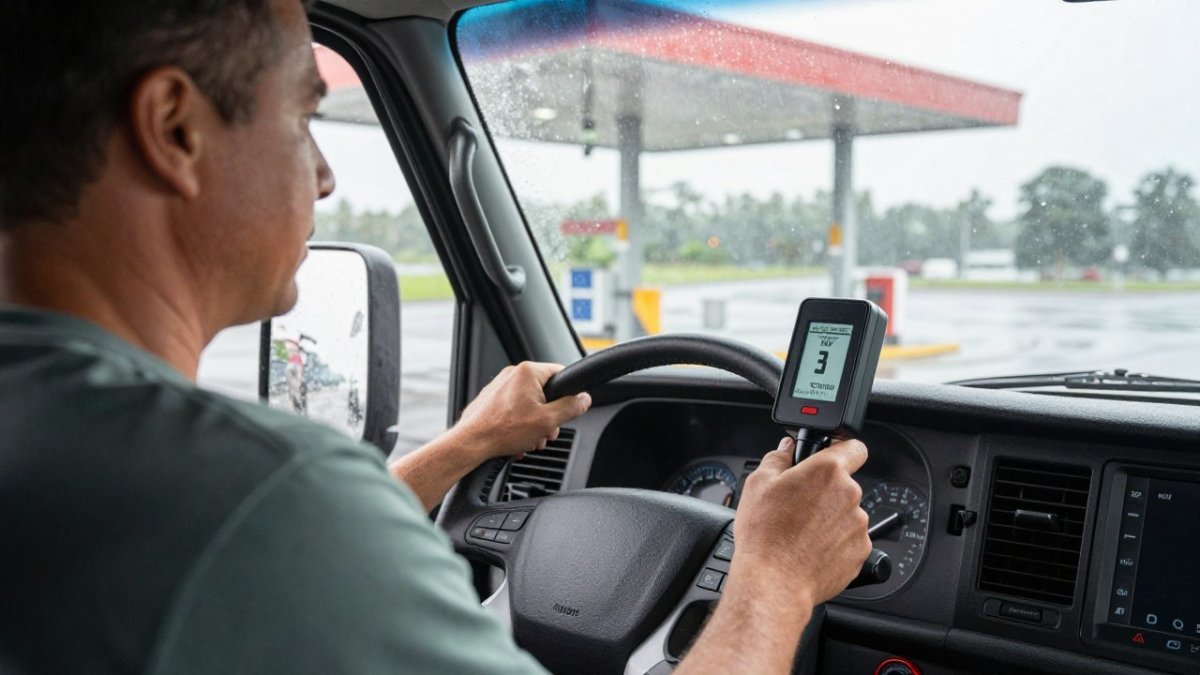
- Save weather service alerts or road closure notices
- Record the time you became aware of the condition
- Keep dispatch records showing the trip plan before the event
- Note any photos or messages that show the conditions
If your case involves a crash, a truck accident lawyer near you can help review this evidence and advise on your next steps. Merritt & Merritt Law Firm, which handles Car Accident Attorneys matters, can help you assess what happened and what records matter most.
Merritt & Merritt Law Firm has over 50 years of trial experience. Contact us to talk through your records.
The evidence you keep to support the exception typically falls into a few categories, as summarised below.
| Evidence | What to keep | When to record |
|---|---|---|
| Weather or road alerts | Service alerts or road closure notices | When issued |
| Awareness time | The time you became aware of the condition | At the moment you learn of it |
| Dispatch records | Trip plan showing the route before the event | Before the event |
| Photos or messages | Anything showing the conditions | As they occur |
Frequently Asked Questions
What qualifies for adverse driving conditions?
Under FMCSA hours-of-service rules, adverse driving conditions are snow, sleet, fog, other adverse weather, or unusual road and traffic conditions that were not known to the driver or dispatcher when the trip was dispatched. The condition must be unforeseen at dispatch. Conditions that were known or reasonably foreseeable before the trip generally do not qualify. Check the current text of 49 CFR 395.1 on the FMCSA Hours of Service page to confirm the exact wording before relying on it.
How should a driver log adverse driving conditions?
Record the exception on the electronic logging device or paper record of duty status as required by FMCSA rules. Note the adverse condition in the remarks or annotation field, including the time, location, and what happened. Keep supporting documentation, such as weather reports, road closure notices, or traffic reports, with the trip records. Carriers should review these entries after each trip to confirm they are accurate and complete.
What evidence should drivers keep to document adverse driving conditions?
Keep any record that shows the condition existed and was unexpected. Useful items include dated weather service reports, state road or traffic alerts, detour notices, dispatch messages showing the trip was planned under normal conditions, and notes on arrival times. Store these with the HOS record for the period in question. Carriers should retain supporting records according to their own policies and applicable FMCSA recordkeeping requirements.

Our Locations

Atlanta/Decatur
1 West Court Square
Suite 750
Decatur, GA 30030

Savannah
100 Bull Street
Suite 200
Savannah, GA 31401
Statesboro
15 West Main Street
Statesboro, GA 30458
Houston
1415 Louisiana Street,
Suite 1800,
Houston, TX 77002
Jacksonville
841 Prudential Drive
12th Floor
Jacksonville, FL 32207

Contact Us
© Copyright 2026 Merritt & Merritt Law Firm. All rights reserved.