
call us 24/7 1-800-738-WE-WIN
call us 24/7 1-800-738-WE-WIN
Serving All of Georgia, Florida, & Texas
Negligent Security Apartment Lawsuit Guide: 2026
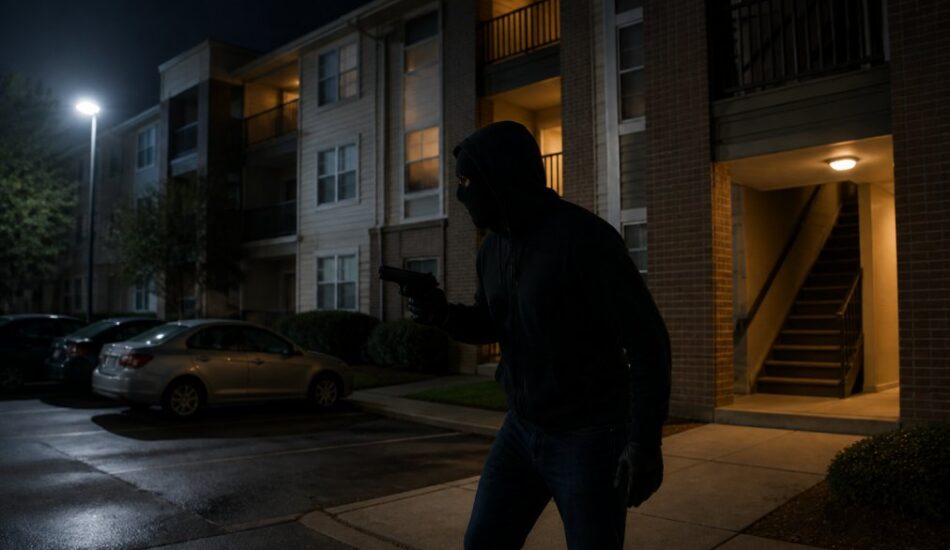
Table of Contents
- What Is Negligent Security in an Apartment Complex?
- Proving Negligent Security in Apartments: Core Elements
- Common Inadequate Security Failures in Apartment Complexes
- Statute of Limitations for Negligent Security Claims
- Negligent Security Lawsuit Settlement Amounts and Damages
- Building Your Negligent Security Apartment Complex Lawsuit
- Settlement Negotiation and Litigation Process
- Next Steps: Getting Legal Help for Your Claim
Last Updated: July 28, 2026
What Is Negligent Security in an Apartment Complex?
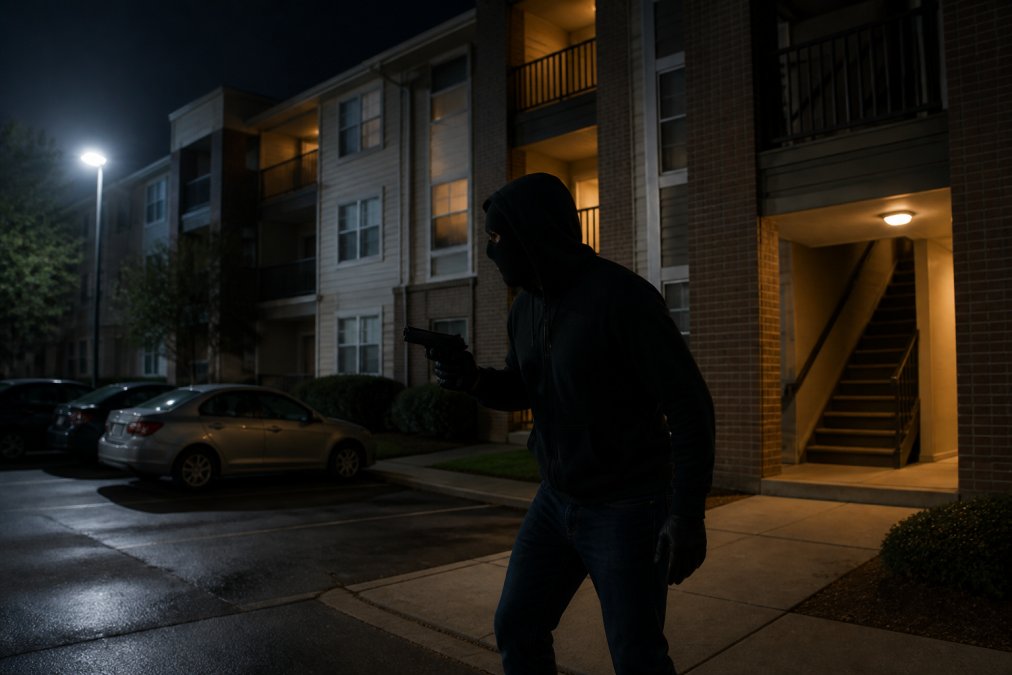
Negligent security occurs when a property owner knows or should know that criminal activity is likely on their property, yet fails to implement reasonable security measures to prevent harm. When someone is attacked, robbed, or assaulted on apartment grounds because of poor security, the victim may have grounds for a civil lawsuit against the property owner or management company for failing to prevent foreseeable crime.
Call the Merritt & Merritt Law Firm at 404-975-1775.
How Duty of Care Creates Landlord Liability
Property owners owe a legal duty of care to tenants and visitors, requiring them to maintain reasonably safe premises and protect against foreseeable criminal acts. Landlords aren’t expected to eliminate all crime, but must implement measures reasonable given the circumstances and foreseeability of criminal activity in their area. A complex in a high-crime neighborhood faces different security expectations than one in a low-crime area.
When a landlord breaches this duty by failing to install locks, maintain lighting, hire security guards, or implement other reasonable measures, and a tenant is harmed, the property owner becomes liable for damages, even though they didn’t directly commit the crime. The owner’s negligence created conditions allowing the criminal act to occur.
Foreseeability: The Critical Element
Foreseeability is the most important element of negligent security claims. A property owner’s duty to provide security depends on whether criminal activity was foreseeable. This doesn’t require predicting a specific crime, but recognizing that criminal activity in general could occur given location, neighborhood statistics, prior incidents, or similar complexes in the area.
Courts examine prior criminal incidents on or near the property. If there have been previous assaults, thefts, or break-ins, future criminal activity becomes highly foreseeable. Property owners who ignore crime patterns cannot claim they had no reason to expect additional incidents. Police crime data, neighborhood statistics, and reports from neighboring properties establish foreseeability. Once established, the property owner’s failure to implement reasonable security measures becomes negligent.
Proving Negligent Security in Apartments: Core Elements
Establishing a negligent security claim requires proving four core legal elements with evidence to succeed in court or settlement negotiations.
Breach of Duty and Reasonable Security Measures
A breach of duty occurs when a property owner fails to implement reasonable security measures despite knowing or should have known that criminal activity was foreseeable. “Reasonable” depends on specific circumstances, what’s reasonable for a luxury high-rise differs from a small complex.
Courts consider whether the property owner took steps that similarly situated owners would take. Common reasonable measures include adequate outdoor lighting, working locks on doors and windows, security cameras in vulnerable areas, controlled building access, security guards or patrols, and proper maintenance of security equipment. A breach exists when these measures are absent or inadequate. Documentation is crucial: maintenance records, tenant complaints, repair requests, and incident reports demonstrate whether the property owner knew about deficiencies and failed to correct them.
Proximate Cause and Third-Party Criminal Acts
Proximate cause means the property owner’s breach directly caused the injury or loss. If a tenant is assaulted in a parking lot with no lighting, and the attacker chose that location because of darkness, proximate cause exists. The inadequate lighting created the opportunity for crime.
Property owners can be liable for third-party criminal acts when those acts were foreseeable and the owner’s negligence created the opportunity. The criminal’s decision to commit a crime doesn’t eliminate the property owner’s responsibility for failing to prevent it.
Common Inadequate Security Failures in Apartment Complexes
Understanding common security failures helps tenants recognize valid negligent security claims. Property owners often cut corners on security to reduce costs, creating dangerous conditions.
Physical Security Deficiencies
Broken or missing locks represent fundamental security failure. Apartment doors should have working deadbolts, and sliding glass doors should have functional locks or bars. Ground-floor windows should have secure locks or bars.
Inadequate lighting in parking areas, hallways, stairwells, and common spaces creates perfect conditions for crime. Criminals prefer darkness to avoid identification. A property that fails to maintain outdoor lighting is creating foreseeable danger.
Broken or absent security cameras leave no record of criminal activity and provide no deterrent. A camera broken for months while the owner does nothing demonstrates negligence. Lack of controlled access allows anyone to enter. Properties without key card systems, security gates, or intercom systems leave residents vulnerable.
Operational and Management Failures
Inadequate staffing or absence of security guards means no one monitors the property or responds to incidents. A property experiencing regular crime but employing no security presence is clearly negligent.
Failure to report crimes to police or maintain incident logs prevents tracking patterns. If a complex has experienced multiple break-ins but never reports them or keeps no record, the owner is deliberately ignoring foreseeable danger. Poor maintenance of security systems compounds problems. A system installed but never tested, updated, or properly maintained provides false security.
Statute of Limitations for Negligent Security Claims
The statute of limitations is the legal deadline for filing a negligent security lawsuit. Missing this deadline means losing your right to sue, regardless of claim strength.
Most states have statutes of limitations between two and three years for personal injury claims, including negligent security cases. The clock typically starts when the injury occurs, not when you discover the cause. Some jurisdictions recognize a “discovery rule” exception where the deadline starts when you discover that the property owner’s negligence caused your injury, but this is interpreted narrowly.
Certain circumstances can extend the statute of limitations. If you were a minor at injury time, the deadline might not start until adulthood. If the property owner deliberately concealed negligence, the deadline might be extended.
Consult with an attorney immediately if you’ve been harmed due to inadequate apartment complex security. Don’t wait, the longer you wait, the more evidence degrades, witness memories fade, and security footage gets deleted.
Negligent Security Lawsuit Settlement Amounts and Damages
Damages in negligent security cases compensate victims for their losses. Understanding available damages helps evaluate whether pursuing a claim makes financial sense.
Compensatory and Punitive Damages
Compensatory damages reimburse actual losses caused by the crime. Medical expenses for injuries sustained during assault or attack are fully recoverable, including emergency room treatment, surgery, hospitalization, ongoing care, physical therapy, and mental health treatment.
Lost wages from time away from work during recovery are compensable. If injuries prevent you from returning to your previous job, you may recover the difference in earning capacity. Property damage compensates you for stolen or damaged belongings with receipts, photos, or other evidence.
Pain and suffering damages compensate for physical pain, emotional distress, trauma, and reduced quality of life. These are harder to quantify but often represent the largest settlement portion. Punitive damages punish the property owner for particularly egregious negligence and deter similar conduct. They’re available when the owner acted with gross negligence or reckless disregard for tenant safety.
Post-Incident Trauma and Mental Health Damages
Psychological harm from criminal victimization is real and significant. Courts increasingly recognize that trauma from assault, robbery, or burglary causes lasting mental health effects deserving compensation. PTSD, anxiety disorders, depression, and other conditions frequently result from criminal victimization.
Mental health treatment costs are fully recoverable. Therapy sessions, psychiatric medication, and psychological counseling are compensable as medical damages. Courts recognize damages for psychological impact itself: loss of enjoyment of life, inability to sleep in your apartment, fear of leaving home, social withdrawal, and relationship damage.
Building Your Negligent Security Apartment Complex Lawsuit
Successfully pursuing a negligent security claim requires careful evidence collection and strategic planning. Stronger evidence improves your negotiating position in settlement discussions or trial.
Evidence Collection and Documentation
Immediately after a crime, gather and preserve evidence. Take photographs of the crime scene, including broken locks, inadequate lighting, missing cameras, or other security failures. Photograph your injuries if assault caused physical harm.
Obtain a police report documenting what happened and providing official confirmation. Request maintenance records from the property showing whether the owner knew about security problems and whether they were addressed. Maintenance requests from tenants about broken locks, inadequate lighting, or other issues create a paper trail showing the owner’s knowledge.
Incident logs and security reports document prior criminal activity. Multiple crimes establish foreseeability. Medical records document your injuries and treatment, essential for calculating compensatory damages. Keep all medical bills, receipts, and treatment records. Witness statements from other tenants or people present during the incident strengthen your case. Security camera footage, if available, is powerful evidence and must be preserved quickly as properties often delete it after 30 days.
The Role of Insurance Adjusters in Your Claim
Insurance adjusters represent the property owner’s insurance company, not you. Their job is to minimize the insurance company’s payout, not ensure you’re fairly compensated.
Be cautious about recorded statements with adjusters. You have the right to decline recorded statements or have an attorney present. Don’t accept an initial settlement offer without consulting an attorney. Insurance companies often lowball initial offers, counting on victims accepting quickly without understanding their claim’s full value.
Insurance adjusters sometimes dispute liability by claiming the crime was unforeseeable or that security measures were reasonable. Strong documentation of prior crimes, neighborhood crime statistics, and expert opinions about reasonable security measures counter these arguments.
Security Audit Checklist for Tenants
This checklist helps tenants evaluate their apartment complex’s security and identify potential negligent security issues.
Security Element | Status | Notes |
|---|---|---|
Exterior lighting in parking areas | Working / Broken / Missing | Document burned-out lights with photos and dates |
Exterior lighting in common areas | Working / Broken / Missing | Hallways, entryways, walkways |
Apartment door locks | Functional / Broken | Test your own deadbolt; report broken locks |
Sliding glass door locks | Functional / Broken | These are common entry points for burglars |
Window locks | Functional / Broken | Ground-floor windows particularly important |
Security gates or controlled access | Present / Absent | Can you enter without a key card or code? |
Security cameras | Present / Not visible | Are they actually working? Check for red lights |
Intercom system | Functional / Broken | Can you screen visitors before letting them in? |
Security guard presence | Regular / Occasional / None | How often do you see security personnel? |
Maintenance of security equipment | Current / Neglected | Are broken items repaired promptly? |
Incident reporting | Documented / Not documented | Does management keep records of crimes? |
Tenant communication about crimes | Regular / Sporadic / None | Are residents notified of incidents on property? |
Document each item with dates and photographs. If you report a security problem to management, keep a copy of your written request and note when you submitted it.
Tenant photographing broken apartment door lock while holding clipboard and taking notes for security documentation, natural daylight from hallway window
Settlement Negotiation and Litigation Process
Understanding how negligent security claims are resolved helps you prepare. Most cases settle before trial, but understanding litigation protects your interests.
Settlement negotiations typically begin after your attorney has gathered sufficient evidence demonstrating liability and damages. Your attorney sends a demand letter to the property owner’s insurance company outlining the negligent security facts, injuries suffered, and damages sought. The insurance company’s adjuster will respond, accepting liability and negotiating the amount, denying liability entirely, or proposing a significantly lower settlement. Negotiations proceed back and forth with each side adjusting position.
If settlement negotiations reach an impasse, litigation begins. Your attorney files a lawsuit, and the case enters discovery where both sides exchange documents, answer written questions, and take depositions. Before trial, courts often require mediation where a neutral mediator helps parties attempt settlement. Many cases settle during mediation because both sides gain a clearer picture of their case’s strength. If mediation fails, the case proceeds to trial where a judge or jury decides liability and damages.
The litigation process takes 12 to 24 months or longer from filing suit to trial. However, settlement can occur at any point. Your attorney’s role is building the strongest possible case so the insurance company recognizes your claim‘s value and settles rather than risk a jury verdict.
Next Steps: Getting Legal Help for Your Claim
If you’ve been harmed due to negligent security at an apartment complex, taking prompt action protects your rights and maximizes recovery. The first step is consulting with an attorney who handles negligent security cases.
When you contact an attorney, bring documentation of the incident, your injuries, and the security failures. Describe what happened, when, and what security measures were absent or inadequate. Bring medical records, police reports, photographs, and any written communication with the property owner or insurance company.
A qualified attorney will evaluate your claim’s strength, explain your legal options, and discuss the likely timeline and potential recovery. Most negligent security attorneys work on contingency, you pay nothing upfront and only pay a percentage of your recovery if you win.
At Merritt & Merritt Law Firm, we offer 24-hour availability and can visit you at home, your office, or the hospital if you’re recovering from injuries. Our team has over 45 years of trial experience holding liable parties accountable for negligent security. We work on contingency, so you pay nothing unless we recover compensation for you. We provide clear, realistic expectations about your case and keep you updated throughout the process.
Don’t delay seeking legal help. The sooner you consult with an attorney, the better we can preserve evidence, interview witnesses while memories are fresh, and build the strongest possible case. Statute of limitations deadlines are firm, and evidence degrades over time. Contact an attorney immediately if you’ve been harmed due to negligent security apartment complex issues.
If you’ve experienced a crime on apartment property due to inadequate security, you shouldn’t bear the financial and emotional burden alone. Property owners have a legal responsibility to provide reasonable security measures protecting residents from foreseeable criminal activity. When they fail, they’re liable for resulting harm. Merritt & Merritt Law Firm investigates negligent security claims thoroughly, holds liable property owners accountable, and secures compensation for medical expenses, lost wages, pain and suffering, and mental health damages. Schedule a free consultation today to discuss your case with an attorney who will fight for the compensation you deserve.
Frequently Asked Questions
What constitutes negligent security in an apartment complex?
Negligent security occurs when a property owner or manager fails to provide reasonable security measures, breaching their duty of care to tenants. This includes inadequate lighting, broken locks, missing security cameras, absent security guards, or failure to control access through gated entry. The property owner must have had a foreseeable risk of criminal activity. Courts examine whether the security measures were inadequate compared to industry standards and whether the owner knew or should have known about prior criminal incidents on or near the property.
What evidence do I need to prove negligent security in an apartment complex lawsuit?
Essential evidence includes police reports, incident logs from the property, photographs of security deficiencies, prior criminal activity reports, security camera footage (or evidence cameras were absent), witness statements, medical records documenting injuries, expert testimony on reasonable security standards, maintenance records showing neglected repairs, and communications with management about security concerns. Documentation of the property's layout, lighting conditions, lock conditions, and any security protocols is crucial. Insurance adjuster reports and settlement communications may also support your claim regarding the property owner's awareness of risks.
How long do I have to file a negligent security lawsuit in the United States?
The statute of limitations for negligent security claims varies significantly by state, typically ranging from two to six years from the date of the incident. Some states apply the discovery rule, which may extend the deadline if you didn't immediately recognize your injuries were caused by negligent security. You must file before the deadline expires or lose your right to pursue the claim. Consulting an attorney immediately is critical, as different states have different rules, and some claims may have shorter windows depending on whether the property owner is a government entity.
What is the average settlement for a negligent security case in an apartment complex?
Settlement amounts vary widely based on injury severity, medical expenses, lost wages, property damage, and post-incident trauma. Factors affecting settlement value include the clarity of liability, strength of evidence showing inadequate security, foreseeability of criminal activity, and jurisdiction. Compensatory damages cover medical bills, lost income, and pain and suffering, while punitive damages may apply if the owner's negligence was particularly egregious. Each case is unique—discussing your specific circumstances with an experienced attorney provides a realistic assessment of settlement value based on comparable cases in your jurisdiction.
Our Locations

Atlanta/Decatur
1 West Court Square
Suite 750
Decatur, GA 30030

Savannah
100 Bull Street
Suite 200
Savannah, GA 31401

Statesboro
15 West Main Street
Statesboro, GA 30458
Houston
1415 Louisiana Street,
Suite 1800,
Houston, TX 77002

Jacksonville
841 Prudential Drive
12th Floor
Jacksonville, FL 32207

Contact Us
© Copyright 2026 Merritt & Merritt Law Firm. All rights reserved.