
call us 24/7 1-800-738-WE-WIN
call us 24/7 1-800-738-WE-WIN
Serving All of Georgia, Florida, & Texas
Why Insurance Companies Deny Injury Claims: 9 Common Reasons

Table of Contents
- Why Insurance Companies Deny Injury Claims: The Top Reasons
- 1. Pre-Existing Medical Conditions and Causation Issues
- 2. Gaps or Delays in Medical Treatment
- 3. Insufficient Evidence or Documentation
- 4. Allegations of Comparative Negligence or Fault
- 5. Failure to File Within the Statute of Limitations
- 6. Coverage Exclusions in Your Policy
- 7. Bad Faith Practices and Delay Tactics
- 8. Undervalued Claims and Lowball Settlement Offers
- 9. Surveillance Evidence and Credibility Challenges
- How to Appeal a Denied Insurance Claim: Step-by-Step Process
- Insurance Claim Denial Letter Examples and What They Mean
- How Long Do Insurance Companies Take to Investigate a Claim?
- What to Do After Your Injury Claim Is Denied
- The Psychological Impact of Claim Denial and Recovery
- Conclusion: Don’t Accept an Unfair Denial Without a Fight
Last Updated: July 14, 2026
When an injury claim gets denied, understanding why is the first step toward fighting back. At Merritt & Merritt Law Firm, we’ve spent over 45 years analyzing denial patterns and helping clients overturn unfair decisions. Denials follow predictable patterns that insurers use strategically. Some are legitimate; many are aggressive interpretations designed to minimize payouts. Below are the nine most common reasons why insurance companies deny injury claims and what to do when you receive a denial letter.
Call the Merritt & Merritt Law Firm today at 404-975-1775.
Why Insurance Companies Deny Injury Claims: The Top Reasons
Insurance companies have financial incentives to deny claims. The more claims they reject, the more profit they keep. Here are the reasons that appear most frequently in denial letters.
1. Pre-Existing Medical Conditions and Causation Issues
Insurance adjusters dig through medical history looking for any previous diagnosis that could connect to your current injury. However, a pre-existing condition can be aggravated or worsened by a new injury, and that aggravation is compensable. The insurer’s job is to pay for the incremental damage, not deny the entire claim because of prior medical history.
Medical testimony comparing your condition before and after the incident is critical. Without clear documentation of the difference, the insurer’s denial may stick.
2. Gaps or Delays in Medical Treatment
If you waited days or weeks after your injury to seek medical treatment, insurance companies will argue the delay suggests your injury wasn’t serious. This is one of the easiest tactics for adjusters to exploit, even though legitimate reasons for delays exist: financial constraints, lack of immediate symptoms, or belief the injury would resolve on its own.
Gaps in ongoing treatment are equally problematic. If you stop seeing a doctor for months and then resume treatment, the insurer will argue you’ve recovered. Consistent medical documentation from incident to resolution is your best protection.
3. Insufficient Evidence or Documentation
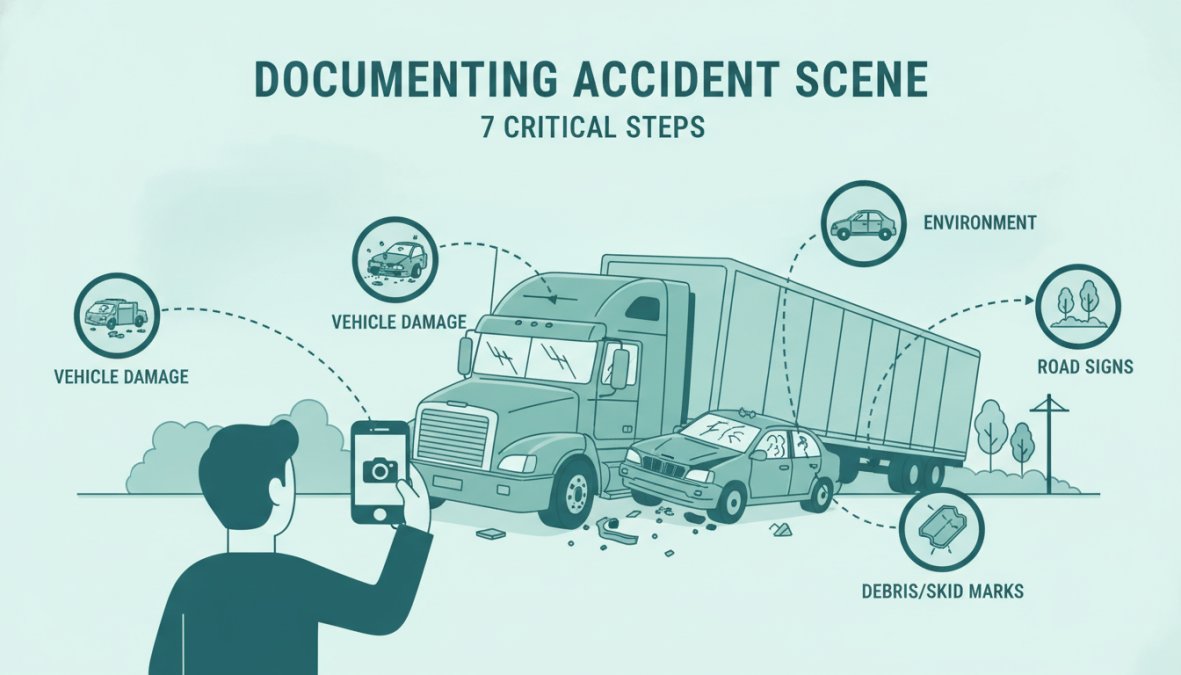
Insurance companies deny claims when they claim insufficient evidence supports your injury or its severity. Insufficient evidence typically means no medical records, no witness statements, no accident report, no photographic evidence, or conflicting accounts of how the incident occurred.
4. Allegations of Comparative Negligence or Fault
Insurance companies will deny or reduce claims by arguing you bear some responsibility for the incident. In some jurisdictions, comparative negligence is a legitimate legal defense. If you were 20% at fault, your recovery might be reduced by 20%. But insurers often inflate your percentage of fault far beyond what’s reasonable.
You need evidence showing what actually happened: witness statements, surveillance video, accident reconstruction reports, and police findings. Without them, you’re vulnerable to the insurer’s narrative.
5. Failure to File Within the Statute of Limitations
Every personal injury claim has a deadline. The statute of limitations typically ranges from one to three years. If you miss that deadline, your claim is forever barred.
Missing the statute of limitations is catastrophic and entirely preventable. If you’ve been injured, check the applicable statute of limitations for your jurisdiction immediately.
6. Coverage Exclusions in Your Policy
Some denials are legitimate because your insurance policy genuinely doesn’t cover the incident. Common exclusions include injuries from intentional acts, injuries while committing a crime, injuries from certain high-risk activities, and injuries covered by workers’ compensation.
7. Bad Faith Practices and Delay Tactics
Some insurance companies deny claims because they’re betting you’ll give up. Bad faith includes refusing to investigate fairly, unreasonable delays, contradictory statements, or denying claims without reasonable basis. Insurance companies engage in these practices because they’re profitable when most people don’t fight back.
Recognizing bad faith requires documenting everything: every communication, every document you submit, every missed deadline, and every inconsistency in their statements. If you see a pattern of unreasonable behavior, you may have a bad faith claim.
8. Undervalued Claims and Lowball Settlement Offers
Some denials come as settlement offers far below fair value. The insurer isn’t denying the claim exists; they’re denying it’s worth what you’re asking. They offer 30-50% of fair value, hoping you’ll accept it because you need the money.
9. Surveillance Evidence and Credibility Challenges
Insurance companies sometimes hire private investigators to conduct surveillance. If footage shows you doing activities inconsistent with your claimed injury, the insurer will use it to deny or reduce your claim. However, you can have a legitimate injury and still perform certain activities on good days. Pain fluctuates. Insurers use surveillance selectively, cherry-picking footage that supports their narrative.
Insurance Claim Denial Letter Examples and What They Mean
Denial letters follow predictable patterns. Understanding the language helps you identify the insurer’s actual reasoning.
Understanding Common Denial Language
When an insurer writes “insufficient evidence,” they typically mean you didn’t provide medical records, medical records don’t clearly link your injury to the incident, you didn’t provide witness statements, you didn’t file a police report, or you waited too long to seek treatment. The fix is straightforward: provide the missing evidence.
“Pre-existing condition” language usually means the insurer found prior medical history related to your injury. Your response should include medical evidence showing that your current condition is significantly worse than your baseline.
“Comparative negligence” language means the insurer believes you bear some responsibility. Your response should either dispute those facts or argue that your percentage of fault is lower than claimed.
Red Flags in Denial Letters That Suggest Bad Faith
Watch for vague explanations without specific facts, contradictions with prior statements, refusal to acknowledge evidence you submitted, unreasonable interpretations of policy language, delays in responding, or requests for information you already provided. If you notice a pattern of these behaviors, you may have a bad faith claim.
Professional attorney reviewing medical records and insurance denial documents with a client in a law office setting, showing careful analysis and support
How Long Do Insurance Companies Take to Investigate a Claim?
Most insurance companies complete initial investigations within 30-45 days. Simple claims can be resolved in two to three weeks. Complex claims involving multiple parties or serious injuries may take several months.
The insurer’s timeline includes initial claim intake (3-5 days), preliminary investigation (10-20 days), medical review (10-30 days), and valuation decision (5-15 days). If the insurer requests additional information, the clock pauses until you respond.
State regulations typically require insurers to investigate promptly and make coverage decisions within 30-45 days. Delays beyond this period without communication may constitute bad faith. Send a written status update request and document the response. Repeated delays without explanation strengthen a potential bad faith claim.
What to Do After Your Injury Claim Is Denied
A denial letter is not a final decision. You have multiple options for challenging it.
Immediate Actions to Take
Within 24-48 hours of receiving a denial, read the letter thoroughly, note any appeal deadlines (usually 30-60 days), gather your original claim file and documentation, and contact an attorney if you haven’t already.
Determine whether the denial is defensible or appears to be bad faith. A denial based on a legitimate coverage exclusion is harder to fight than one based on “insufficient evidence” when you’ve provided extensive documentation.
When to Consider Legal Representation
Insurance companies employ experienced claims adjusters and attorneys. You’re at a significant disadvantage without legal representation.
Consider hiring an attorney if the claim amount is substantial (over $10,000), the denial appears weak, you’ve already appealed once and been denied again, the insurer is engaging in delay tactics or bad faith, or your injury is serious or permanent.
Most personal injury attorneys work on contingency, you pay nothing unless they recover money for you.
Exploring Bad Faith Litigation Options
If the insurer has denied your claim without reasonable basis, engaged in delay tactics, or systematically undervalued your claim, you may have a bad faith claim. Bad faith lawsuits allow you to recover not just the claim amount but also attorney fees, court costs, and sometimes punitive damages.
Bad faith claims require proving the insurer’s conduct was unreasonable or intentional. You’ll need documentation of the insurer’s behavior, communications, and decision-making process. Bad faith claims can take 1-3 years to resolve but often result in significantly larger recoveries.
A denied injury claim feels like the system has failed you. In many cases, it has, but that’s not the end of your story. Insurance companies rely on injured people accepting denials without challenge. When you fight back with documentation, legal argument, and professional representation, you shift the power dynamic.
Merritt & Merritt Law Firm has spent over 45 years investigating claim denials and holding insurance companies accountable. We provide immediate case evaluation, thorough investigation, and aggressive negotiation or litigation to secure the compensation you deserve. With our contingency fee structure, you pay only if we win. Learn more about your legal options or contact us for a free consultation to discuss whether your denial can be challenged.
Frequently Asked Questions
What are the most common reasons insurance companies deny injury claims?
Insurance companies deny injury claims for nine primary reasons: pre-existing conditions affecting causation, gaps in medical treatment, insufficient documentation, comparative negligence allegations, missed statute of limitations deadlines, policy coverage exclusions, bad faith delay tactics, undervalued settlement offers, and credibility challenges from surveillance. Each reason requires specific evidence to counter during the appeal process.
How do I appeal a denied insurance claim effectively?
To appeal a denied insurance claim, first carefully review your denial letter to understand the specific reason. Then gather all supporting medical records, witness statements, accident reports, and evidence addressing the denial reason. Prepare a detailed written appeal explaining how your evidence contradicts the denial, submit it within your state's required timeframe, and maintain documentation of all communications with the insurance company.
How long do insurance companies take to investigate an injury claim?
Most insurance companies have 30-45 days to investigate a claim, though this varies by state and claim complexity. Simple claims may resolve in 2-3 weeks, while complex cases can take 6-12 months. If investigation delays exceed 90 days without reasonable explanation, the insurer may be engaging in bad faith practices, which is grounds for legal action and potential additional damages.
What should I do if my injury claim is unfairly denied?
If your injury claim is unfairly denied, document everything, file a formal appeal with supporting evidence, and consider consulting a personal injury attorney. Many law firms work on contingency—you pay only if you win. An attorney can negotiate with the insurance adjuster, file a bad faith complaint with your state's insurance commissioner, or pursue litigation if necessary to recover the compensation you deserve.
Our Locations

Atlanta/Decatur
1 West Court Square
Suite 750
Decatur, GA 30030

Savannah
100 Bull Street
Suite 200
Savannah, GA 31401

Statesboro
15 West Main Street
Statesboro, GA 30458

Houston
1415 Louisiana Street,
Suite 1800,
Houston, TX 77002

Jacksonville
841 Prudential Drive
12th Floor
Jacksonville, FL 32207

Contact Us
© Copyright 2026 Merritt & Merritt Law Firm. All rights reserved.