
call us 24/7 1-800-738-WE-WIN
call us 24/7 1-800-738-WE-WIN
Serving All of Georgia, Florida, & Texas
Pain and Suffering Settlement Timeline: What to Expect

Table of Contents
- How Long Does a Pain and Suffering Settlement Take?
- Understanding the Personal Injury Settlement Timeline
- Factors Affecting Settlement Duration
- Steps in a Personal Injury Lawsuit
- What Happens After You Sign the Release
- Why Some Cases Take Longer Than Others
- Managing Stress While Your Case Settles
- Frequently Asked Questions
Last Updated: September 2, 2026
How Long Does a Pain and Suffering Settlement Take?
Call the Merritt & Merritt Law Firm at 404-975-1775. Offices in Atlanta, Savannah, Statesboro, and Houston.
A pain and suffering settlement typically takes anywhere from a few months to several years, depending on the complexity of your case and whether it settles before trial or proceeds through litigation. Most personal injury cases resolve within 6-24 months, though this timeline varies significantly based on factors like medical treatment duration, liability disputes, and court schedules (americanbar.org).
The uncertainty around settlement timing is one of the most stressful parts of the injury recovery process. You’re dealing with physical pain, financial strain from lost wages, and the emotional toll of the accident itself. At Merritt & Merritt Law Firm, we understand this pressure. Understanding where your case falls in the timeline and what happens next can reduce anxiety and help you make informed decisions about your claim.
Understanding the Personal Injury Settlement Timeline
The settlement timeline breaks into two main tracks: pre-litigation settlement and litigation with trial. Most cases settle before reaching trial.
Pre-Litigation Settlement (3-12 months)
Pre-litigation settlement is the faster path. Your attorney investigates the claim, gathers medical records and evidence, sends a demand letter to the insurance company, and negotiates a settlement without filing a lawsuit. This process typically takes three to twelve months from the date of your accident.
The timeline depends heavily on how quickly you reach maximum medical improvement, the point where your medical condition has stabilized and further treatment won’t significantly improve your condition. A straightforward soft-tissue injury that resolves in two months allows your attorney to send a demand letter quickly. Serious injuries requiring ongoing physical therapy, surgery, or specialist care extend the pre-litigation phase while you complete treatment.
During this phase, your attorney requests medical records from all healthcare providers involved in your treatment. Insurance companies review these records, investigate liability, and assess damages. Most insurers respond to demand letters within 30-60 days (naic.org). Negotiation can happen quickly if liability is clear and damages are straightforward, or it can extend across multiple counteroffers if the insurance company disputes your injury severity or liability.
A critical mistake is settling too quickly before you’ve completed medical treatment. If you accept a settlement while still undergoing therapy, you can’t recover additional compensation if your condition worsens. Wait until you reach maximum medical improvement or have a clear sense of your long-term prognosis.
Litigation and Trial (1-3+ years)
If pre-litigation negotiation stalls or the insurance company’s offer falls far short of your claim’s value, your attorney files a lawsuit. Litigation adds significant time to your case. From the date a lawsuit is filed, expect 12-36 months or more before trial, depending on court backlog and case complexity.
The litigation timeline includes discovery (exchanging evidence with the other side), depositions (recorded testimony), mediation or arbitration attempts, and finally trial. Court schedules vary widely by location. A high-volume court with a crowded docket may delay your trial date repeatedly. A smaller court with fewer pending cases may move faster.
Factors Affecting Settlement Duration
Several factors directly influence how long your pain and suffering settlement takes.
Medical Treatment and Maximum Medical Improvement
Your medical recovery timeline is the single biggest factor determining settlement speed. You cannot accurately value a pain and suffering claim until you know the full extent of your injuries and expected recovery.
Minor injuries like a sprain that heals within 4-6 weeks allow your case to move quickly through pre-litigation settlement. The medical picture is clear, treatment is complete, and your attorney can calculate damages based on concrete medical expenses and documented pain.
Serious injuries requiring surgery, extended rehabilitation, or ongoing specialist care extend the timeline significantly. Spinal injuries, traumatic brain injuries, and fractures often require months of treatment before the full impact is clear. Your attorney must wait until you’ve reached maximum medical improvement before sending a demand letter, because settling before that point means you can’t recover additional compensation if your condition worsens.
Liability and Fault Disputes
When liability is clear, the other driver ran a red light, a property owner failed to maintain safe conditions, settlement moves faster because both sides agree fault exists. Negotiation focuses on damages: how much pain and suffering compensation is appropriate.
When liability is disputed, settlement slows considerably. Your attorney must gather stronger evidence, including expert reports, accident reconstruction analysis, or witness statements. The insurance company may demand more documentation before admitting liability, which delays the entire process.
Disputed liability is a primary reason cases move to litigation. When pre-litigation negotiation can’t resolve the fault question, filing a lawsuit forces formal discovery and eventually a judge or jury decision.
Insurance Company Response and Court Backlog
Insurance companies operate on their own schedules. Some respond quickly to demand letters; others delay deliberately, hoping you’ll accept a lower offer out of financial desperation. Your attorney can push back against unreasonable delays, but there are limits to how fast an insurer must respond.
Court backlog is another major factor beyond anyone’s control. If your case goes to litigation, the court’s docket determines when your trial date is scheduled. Courts in urban areas with heavy caseloads may have trial dates 18-24 months out. Rural courts with lighter dockets might schedule trials within 6-12 months.
Steps in a Personal Injury Lawsuit
Understanding the formal process helps you anticipate where your case stands and what comes next.
Claim Filing and Investigation
The process begins immediately after your accident. You report the incident to the property owner, employer, or the other party’s insurance company. You seek medical treatment and document your injuries. Your attorney begins investigating: gathering police reports, medical records, witness statements, and photographs of the accident scene.
This investigation phase typically takes 4-8 weeks. Once investigation is substantially complete, your attorney prepares a demand letter.
Demand Letter and Negotiation Process
The demand letter is a formal request for compensation. It summarizes your injuries, medical treatment, expenses, lost wages, and pain and suffering damages. It includes a specific dollar amount your attorney believes your claim is worth.
The insurance company typically has 30-60 days to respond. They may accept the demand, reject it, or make a counteroffer. If they make a counteroffer, negotiation begins. This back-and-forth can happen quickly if both sides are close on value, or it can extend across months if the gap is wide.
Don’t accept the first counteroffer without understanding what your claim is truly worth. Your attorney uses experience and comparable cases to value pain and suffering.
Schedule a Free Consultation →
Discovery Phase and Mediation or Arbitration
If negotiation doesn’t produce settlement, your attorney files a lawsuit. Discovery begins: both sides exchange documents, medical records, and written questions. Depositions occur: witnesses and the parties answer questions under oath, recorded by a court reporter.
Discovery typically lasts 6-12 months. Many cases settle during or after discovery, once both sides have a clearer picture of trial risk. If settlement still seems unlikely, the court often orders mediation or arbitration. A neutral third party meets with both sides to help them reach agreement. This process typically takes 1-3 months.
If mediation fails, the case proceeds to trial.
What Happens After You Sign the Release
Settlement doesn’t end when you sign the settlement agreement. There are several more steps before you actually receive your money.
Settlement Check Disbursement Timeline
After you sign the release (the document that settles your claim and prevents future lawsuits), the insurance company typically issues a check within 10-30 days (americanbar.org). However, your attorney holds that check in a trust account until all liens are resolved.
A lien is a claim against your settlement by a healthcare provider or government program that paid for your medical treatment. If Medicare paid for your hospital stay, or if your health insurance paid for surgery, they have a legal right to recover those costs from your settlement. Your attorney must identify all liens, negotiate them down when possible, and ensure they’re paid from your settlement proceeds.
Lien resolution typically takes 2-8 weeks. Once liens are resolved, your attorney calculates the final settlement distribution: the insurance company’s check, minus attorney fees, minus case costs, minus lien payments, equals your net settlement amount.
Lien Resolution and Attorney Fees
Your attorney’s contingency fee, typically 25-33% of your settlement, is deducted from your settlement check before you receive it. Case costs are also deducted from your settlement, including court filing fees, expert witness fees, and medical record retrieval costs.
After liens, attorney fees, and case costs are paid, the remaining balance is yours.

Why Some Cases Take Longer Than Others
Case complexity is the primary driver of timeline differences. A straightforward car accident with clear liability and minor injuries might settle in 4-6 months. A catastrophic injury case with multiple parties, disputed liability, and serious long-term effects might take 3+ years.
Specific factors that extend timelines include multiple defendants (each party’s insurance company negotiates separately), multiple injuries requiring treatment from different specialists, pre-existing conditions that complicate causation, and serious disputes about liability or damages.
Insurance company tactics also matter. Some insurers respond promptly and negotiate in good faith. Others delay, demand excessive documentation, or make unreasonably low offers. Your attorney’s experience dealing with specific insurers helps predict how cooperative they’ll be.
Managing Stress While Your Case Settles
The waiting period between your accident and settlement is often harder than the accident itself. You’re recovering from injury, managing medical appointments, dealing with financial strain from lost work, and anxiously checking on your case status.
Establish a regular communication schedule with your attorney. Instead of wondering about your case, schedule monthly check-ins where your attorney updates you on progress. Knowing what’s happening reduces anxiety far more than constant uncertainty.
Focus on what you can control: completing medical treatment, following your doctor’s recommendations, documenting your pain and limitations, and maintaining records of lost wages. These concrete actions give you a sense of agency while your attorney handles the legal work.
Connect with others who’ve gone through similar experiences. Support groups for accident survivors help normalize the emotional and financial stress you’re experiencing.
Set financial boundaries. If your settlement timeline is extending, work with a financial advisor on a budget that accounts for reduced income during your case. Don’t make major financial commitments based on settlement money you haven’t received yet.
Your attorney can also connect you with resources: medical providers experienced with accident injury recovery, financial counselors who work with injury victims, and in some cases, case funding companies that provide advances on your settlement to help with immediate expenses.
Waiting for your pain and suffering settlement to resolve is stressful, but understanding the timeline helps you manage expectations and plan accordingly. Most cases settle within 6-24 months through pre-litigation negotiation, though serious injuries or liability disputes can extend that timeline to 1-3+ years if litigation becomes necessary. The key is working with an attorney who communicates clearly, investigates thoroughly, and negotiates aggressively on your behalf.
At Merritt & Merritt Law Firm, we’re committed to getting you fair compensation for your injuries and pain and suffering. Our team has over 45 years of trial experience handling car accidents, personal injuries, and complex liability cases. We offer 24-hour availability and can meet you at your home, office, or hospital. You pay only if we win, which means we’re invested in maximizing your settlement, not minimizing our effort. Schedule a free consultation to discuss your case and get clear expectations about your timeline and potential compensation.
Frequently Asked Questions
What is the typical timeline for a pain and suffering settlement?
Most pain and suffering settlements resolve within 3 to 12 months if the case settles before litigation. If your case goes to trial, expect 1 to 3+ years depending on court backlogs and case complexity. The timeline depends on when you reach maximum medical improvement, how quickly liability is established, and the insurance company’s willingness to negotiate fairly.
What factors affect how long my personal injury settlement takes?
Several factors influence settlement duration: the severity and type of your injury, how long medical treatment continues, whether liability is disputed, the insurance adjuster’s responsiveness, court scheduling, and case complexity. Catastrophic injuries typically take longer because they require extensive medical documentation and higher damage calculations. Clear liability cases usually settle faster than disputed fault situations.
How long does it take to receive my settlement check after signing the release?
After you sign the release of liability, the settlement check typically arrives within 10 to 30 days. However, if there are outstanding medical liens or other claims against the settlement, lien resolution can add 2 to 4 weeks. Your attorney’s office handles coordination with the insurance company and any lienholders to ensure proper disbursement and that you receive your full net settlement amount.
Does the severity of my injury affect settlement timeline?
Yes, injury severity significantly impacts timeline. Minor injuries with quick recovery may settle in 3 to 6 months. Moderate injuries requiring ongoing treatment typically take 6 to 12 months. Catastrophic injuries requiring long-term care or permanent disability can take 1 to 3+ years because medical treatment continues longer and damages calculations are more complex, requiring thorough documentation of future care costs.
Our Locations

Atlanta/Decatur
1 West Court Square
Suite 750
Decatur, GA 30030

Savannah
100 Bull Street
Suite 200
Savannah, GA 31401

Statesboro
15 West Main Street
Statesboro, GA 30458
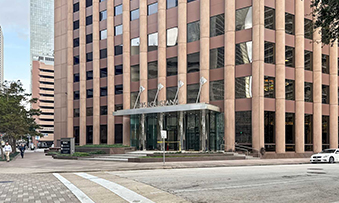
Houston
1415 Louisiana Street,
Suite 1800,
Houston, TX 77002

Jacksonville
841 Prudential Drive
12th Floor
Jacksonville, FL 32207

Contact Us
© Copyright 2026 Merritt & Merritt Law Firm. All rights reserved.