
call us 24/7 1-800-738-WE-WIN
call us 24/7 1-800-738-WE-WIN
Serving All of Georgia, Florida, & Texas
Settlement vs Trial: Car Accident Outcomes Compared
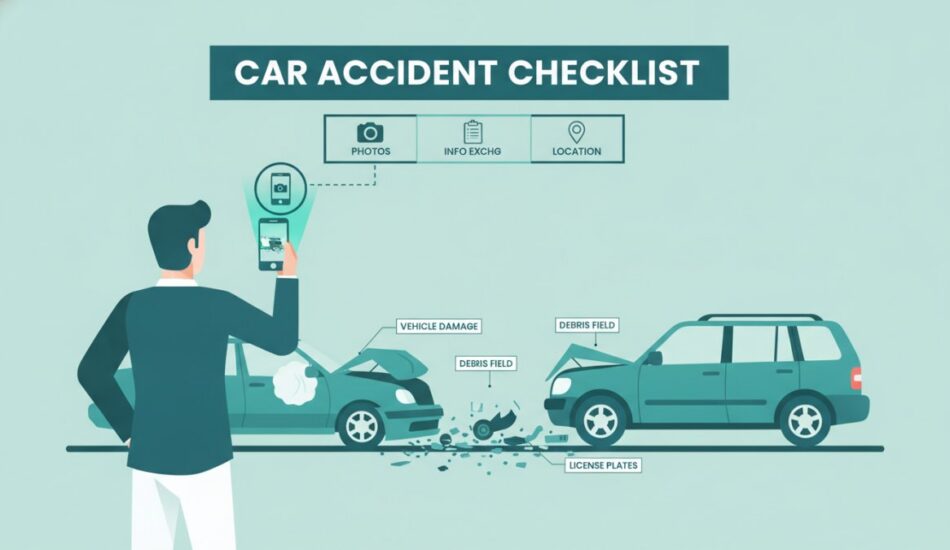
Table of Contents
- What Is a Car Accident Settlement vs. Going to Trial
- The Car Accident Claim Process: From Injury to Resolution
- Average Car Accident Settlement Amounts and What Affects Them
- Negotiating With Insurance Companies After an Accident
- Personal Injury Settlement Timeline: How Long Does Resolution Take
- Settlement vs Trial: Pros, Cons, and the Trial Tax Reality
- Jury Unpredictability and the Risks of Taking Your Case to Court
- Confidentiality, Privacy, and Post-Settlement Tax Implications
Settlement vs Trial: Car Accident Outcomes Compared
Last Updated: August 2, 2026
When you’re injured in a car accident, understanding the difference between car accident settlement vs trial outcomes becomes critical to your financial recovery. At Merritt & Merritt Law Firm, we’ve spent over 45 years helping accident victims navigate this exact decision, and the choice you make can dramatically affect how much you recover, how long the process takes, and what risks you face along the way.
Most personal injury claims settle out of court, but that doesn’t mean settling is always the right move. A trial can sometimes deliver higher verdicts, but it also introduces unpredictability, costs, and delays. This guide breaks down both paths so you can understand what’s actually at stake when deciding between a settlement offer and taking your case to court.
Call the Merritt & Merritt Law Firm today at 404-975-1775.
What Is a Car Accident Settlement vs. Going to Trial
A car accident settlement is a negotiated agreement where the at-fault party’s insurance company pays you a lump sum in exchange for dropping your claim. A trial is a formal courtroom proceeding where a judge or jury hears evidence and renders a verdict on liability and damages.
The fundamental difference is control and certainty. When you settle, you know exactly what you’re getting. When you go to trial, you’re betting that a jury will find the defendant liable and award what you believe your case is worth.
How Settlement Works
Settlement negotiations typically begin after your attorney sends a demand letter outlining your injuries, medical expenses, lost wages, and pain and suffering damages. The insurer responds with an initial offer, usually far below your claim. Then negotiation begins: your attorney counters, the insurer adjusts, back and forth until both sides agree or negotiations stall.
Once you reach agreement, you sign a settlement agreement and release form, which legally prevents you from pursuing the case further. Payment typically arrives within 30 to 60 days. The entire process is confidential, neither you nor your attorney can publicly discuss settlement terms.
How Trial Works
If settlement fails, your case enters litigation. Discovery involves exchanging documents, medical records, and witness statements. Depositions occur where witnesses answer questions under oath. Pre-trial motions get filed. Months or years can pass before trial begins.
When trial arrives, both sides present their case before a judge or jury. Your attorney must prove liability and quantify damages. After hearing all evidence, the jury renders a verdict. If they find the defendant liable, they award damages. If not, you get nothing.
The Car Accident Claim Process: From Injury to Resolution
Both settlement and trial paths start identically but quickly diverge into very different experiences.
Initial Report and Documentation
Within days of your accident, file a claim with the at-fault driver’s insurance company. Provide your account, photos of vehicle damage, medical records, and documentation of lost wages. Your attorney simultaneously gathers evidence: police reports, medical records, witness statements, and photographs of the accident scene and injuries. This documentation phase is crucial, the strength of your evidence directly influences both settlement offers and trial outcomes.
Investigation and Liability Assessment
Your attorney investigates thoroughly. If the other driver ran a red light, traffic camera footage is requested. If weather or road conditions played a role, expert analysis may be needed. The insurance company conducts its own investigation. If liability is clear, both sides generally agree. If liability is contested, this becomes the central battleground in any potential trial.
Demand and Negotiation Phase
Once investigation is complete, your attorney sends a demand letter presenting the strongest case for your injuries and damages, including medical records, expert opinions, and detailed damage calculations. The insurance company responds with a settlement offer. If the gap is small, negotiation can resolve the case quickly. If the gap is large, you face a critical decision: accept a lower offer or prepare for trial.
Average Car Accident Settlement Amounts and What Affects Them
Settlement amounts vary wildly. A minor fender-bender with soft tissue injuries might settle for a few thousand dollars. A catastrophic injury case could settle for hundreds of thousands.
Factors That Influence Settlement Value
Injury severity is paramount, broken bones, spinal injuries, and permanent impairment command higher settlements than minor bruising. Medical expenses matter greatly; a case with $50,000 in medical bills typically settles higher than one with $5,000, all else equal. Liability strength influences offers significantly. If you were partly at fault, the insurance company reduces their offer proportionally. Lost wages and reduced earning capacity also factor in. Pain and suffering damages are harder to quantify but critically important.
Understanding Compensatory Damages
Compensatory damages fall into two categories: economic and non-economic. Economic damages are concrete, measurable losses, medical bills, lost wages, transportation costs, home care expenses. Non-economic damages cover pain and suffering, emotional distress, loss of enjoyment of life, and permanent scarring or disfigurement. These are subjective, which is why trials exist, a jury can sometimes see your suffering differently than an insurance adjuster does.
Negotiating With Insurance Companies After an Accident
Insurance adjusters are skilled negotiators trained to minimize payouts. Understanding their tactics helps you avoid being lowballed.
Why Insurance Adjusters Use Formulas
Many large insurers use software like Colossus to calculate settlement offers. These systems assign “severity points” to your injuries based on medical records, then multiply those points by a damage multiplier. The system is standardized and predictable, but often conservative. The problem: these formulas don’t account for the full human cost of your injury. A jury hearing your testimony directly often sees your case very differently than a formula does.
Countering Low Offers
When you receive an initial settlement offer, it’s almost always lower than what you’re owed. Your attorney counters with a detailed response explaining why the offer is inadequate, highlighting medical evidence, citing expert opinions, and referencing comparable cases. If the insurer still won’t budge, you face a critical decision: accept their final offer or reject it and move toward trial.
Personal Injury Settlement Timeline: How Long Does Resolution Take
Timing matters when you’re injured and facing medical bills.
Settlement Timeline Expectations
A straightforward settlement with clear liability can resolve in three to six months. More complex cases take longer. If medical treatment is ongoing and your prognosis is uncertain, settlement may be delayed until you’ve reached maximum medical improvement, the point where your condition stabilizes.
Trial Timeline and Court Delays
Trial timelines are far less predictable. After settlement negotiations fail, your case enters the litigation queue. Court dockets are crowded. Discovery can take six months to a year. Pre-trial motions extend the timeline further. Many cases don’t reach trial for two to three years after the accident. All told, from accident to final judgment, a trial case often takes three to five years.
Settlement vs Trial: Pros, Cons, and the Trial Tax Reality
Aspect | Settlement | Trial |
|---|---|---|
Timeline | 3-6 months typically | 2-5 years typically |
Certainty | Guaranteed amount known upfront | Verdict amount unknown until jury decides |
Privacy | Confidential, terms not public | Public record, verdict is public |
Legal Costs | Lower, split between parties often | Higher, you may pay more upfront |
Stress | Lower, case concludes quickly | Higher, prolonged uncertainty |
Potential Recovery | Predictable, often conservative | Higher potential but with risk |
Why Most Cases Settle
Roughly 90% of personal injury cases settle before trial. Insurance companies settle because trials are expensive and jury verdicts are unpredictable. Plaintiffs settle because they need money now, not years from now. Medical bills are due. If you can’t work due to your injuries, you’re losing income every month.
When Going to Trial Makes Sense
Trial makes sense when settlement offers are substantially below what your case is actually worth. If your injuries are severe, liability is clear, and the insurance company is offering far less than comparable cases have settled for, trial may be your best option. For catastrophic injuries, permanent paralysis, or severe brain injury, trial can sometimes yield verdicts substantially higher than settlement offers.
The Hidden Costs: Court Fees, Expert Witnesses, and Legal Expenses
Attorney and client reviewing settlement documents and case files at a desk in a law office with natural window lighting
Going to trial costs money, and those costs come out of your recovery. Court filing fees, deposition transcripts, service of process, and expert witness fees add up quickly. A medical expert might charge $3,000 to $5,000 for a deposition and trial testimony. An accident reconstruction expert could cost $5,000 to $15,000.
Most personal injury attorneys work on contingency, taking a percentage of your recovery, typically 33% for settlement cases and 40% for trial cases. That higher percentage reflects the increased risk and work involved. Here’s the “trial tax” reality: after paying your attorney and expert witnesses, your net recovery from trial might not be dramatically higher than settlement. A $200,000 verdict minus $80,000 in attorney fees and $20,000 in expert costs leaves you with $100,000, the same as the settlement offer you rejected.
Jury Unpredictability and the Risks of Taking Your Case to Court
Juries are unpredictable. This is both the promise and the peril of trial.
Verdict Uncertainty and Burden of Proof
Your attorney must prove liability by a preponderance of the evidence, meaning it’s more likely than not that the defendant was at fault. That’s a lower burden than “beyond a reasonable doubt,” but it’s still a real burden. If the jury isn’t convinced, you get nothing. Juries sometimes make decisions that baffle attorneys and judges. A sympathetic plaintiff with a weak liability case might win because jurors connected with their story. Jury composition matters enormously. A jury of jurors who’ve experienced similar injuries may be more generous in awarding pain and suffering damages.
When a Jury Verdict Goes Wrong
Sometimes juries award far less than expected. A case that seemed strong results in a verdict that barely covers medical expenses. Other times, juries award nothing at all despite clear evidence of injury. These verdicts are devastating because you’ve spent years and tens of thousands of dollars only to recover nothing. Conversely, juries sometimes award far more than anyone expected. The unpredictability cuts both ways.
Confidentiality, Privacy, and Post-Settlement Tax Implications
Settlement and trial have very different implications for your privacy and tax situation.
What Settlement Confidentiality Means
When you settle, you sign a confidentiality agreement. You cannot discuss the settlement amount with anyone except your spouse, accountant, and attorney. This protects the insurance company’s interests and your privacy. Trial verdicts are public record. Your verdict amount, evidence presented, and jury reasoning are accessible to anyone.
Tax Considerations for Your Settlement or Verdict
Personal injury settlements for physical injuries are generally not taxable as income under federal law. If you receive $100,000 in settlement for your car accident injuries, that amount is not reported as income and you owe no federal income tax. However, if any portion of your settlement is designated for lost wages, that portion is taxable. Similarly, if your settlement includes punitive damages, those are taxable. Jury verdicts follow similar rules.
When you’re injured in a car accident, the choice between settlement and trial is one of the most important decisions you’ll make. The right path depends on your specific circumstances, the severity of your injuries, the strength of liability evidence, your financial needs, and your tolerance for uncertainty.
At Merritt & Merritt Law Firm, we’ve guided thousands of accident victims through this exact decision over our 45 years of trial experience. We provide clear, realistic expectations about what your case is worth, what settlement offers are reasonable, and when trial makes sense. Our contingency fee structure means we’re invested in getting you the best possible outcome, whether that’s a strong settlement or a trial verdict.
If you’re facing this decision right now, contact Merritt & Merritt Law Firm for a free consultation. We’ll evaluate your case, explain your options, and help you understand the realistic outcomes in your situation. We offer 24-hour availability and can meet you at your home, office, or hospital, because we know that when you’re injured, getting to our office isn’t always possible.
Frequently Asked Questions
Is it better to settle a car accident claim or go to trial?
Most car accident cases settle because settlement offers certainty, speed, and lower costs. However, if the insurance company's settlement offer is significantly lower than your case value, trial may be justified. The decision depends on your injury severity, liability strength, and risk tolerance. An attorney can analyze your specific situation and recommend the best path based on comparable verdicts and settlement amounts in your jurisdiction.
How long does the personal injury settlement timeline typically take compared to trial?
Settlements often resolve within 6-18 months, depending on injury complexity and negotiation speed. Trials typically take 2-4 years from filing to verdict, including discovery, pre-trial motions, and court scheduling delays. If you need money quickly due to medical bills or lost wages, settlement is usually faster. However, some cases benefit from the additional investigation time that trial preparation provides.
What are the average car accident settlement amounts versus trial verdicts?
Settlement amounts vary widely based on injury type, liability clarity, and jurisdiction. Catastrophic injuries typically command higher settlements. Trial verdicts can exceed settlements but carry unpredictability due to jury decision-making. Insurance companies often use proprietary formulas that may undervalue pain and suffering. Your attorney can research comparable cases in your area to estimate realistic ranges for both settlement and trial outcomes.
What hidden costs should I expect when negotiating with insurance companies or going to trial?
Settlements usually involve lower costs, though you may pay for medical records and basic discovery. Trials require court costs, expert witness fees, deposition transcripts, and extended attorney time. These legal expenses can reduce your net recovery. Most personal injury attorneys work on contingency (you pay only if you win), but understanding the full cost breakdown helps you evaluate whether trial is financially worthwhile for your specific case.
What are the main risks of taking a car accident case to trial?
Trial risks include jury unpredictability, the burden of proof requirement, and the possibility of receiving less than a settlement offer. Juries may not award damages for pain and suffering or may find liability differently than expected. Additionally, trials are public proceedings, whereas settlements remain confidential. If you lose at trial, you receive nothing and still owe your legal costs. These risks make settlement attractive for many victims, especially those with moderate injuries.
Our Locations

Atlanta/Decatur
1 West Court Square
Suite 750
Decatur, GA 30030

Savannah
100 Bull Street
Suite 200
Savannah, GA 31401

Statesboro
15 West Main Street
Statesboro, GA 30458

Houston
1415 Louisiana Street,
Suite 1800,
Houston, TX 77002

Jacksonville
841 Prudential Drive
12th Floor
Jacksonville, FL 32207

Contact Us
© Copyright 2026 Merritt & Merritt Law Firm. All rights reserved.