
call us 24/7 1-800-738-WE-WIN
call us 24/7 1-800-738-WE-WIN
Serving All of Georgia, Florida, & Texas
Truck Accident Investigation Timeline: What to Expect
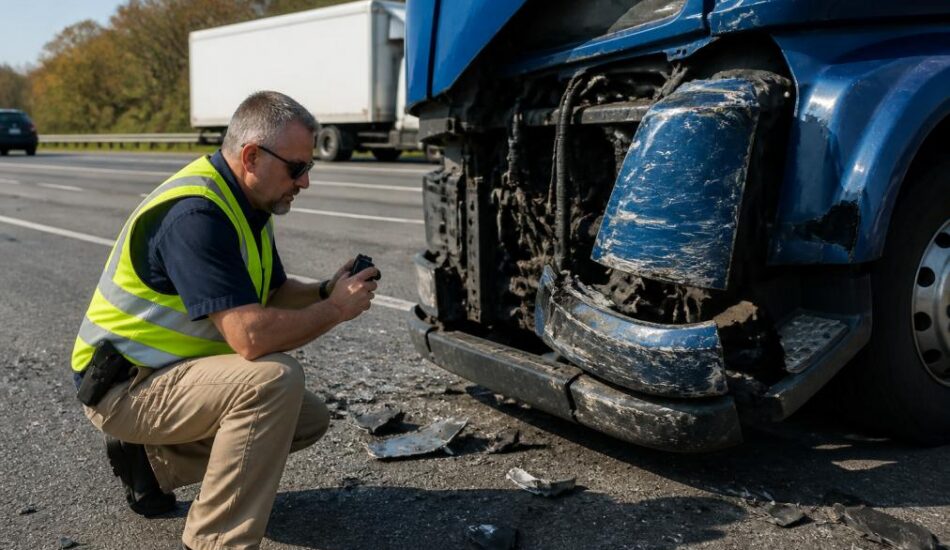
Table of Contents
- Why Truck Accident Investigations Take Longer Than Standard Car Accidents
- The Role of the Claims Adjuster in Your Truck Accident Investigation
- FMCSA Accident Investigation Requirements and Their Impact on Timeline
- Commercial Vehicle Black Box Data and Evidence Collection
- Step-by-Step Truck Accident Investigation Process
- Understanding Truck Accident Settlement Timeline
- How to Speed Up Your Truck Accident Investigation
- Disputing an Adjuster’s Fault Determination
Last Updated: August 13, 2026
Why Truck Accident Investigations Take Longer Than Standard Car Accidents
Call Merritt & Merritt Law Firm today at 404-975-1775.
Truck accident investigations differ fundamentally from typical car accident claims due to federal regulations, commercial liability concerns, and the volume of evidence involved. The Federal Motor Carrier Safety Administration (FMCSA) imposes strict requirements on commercial trucking operations, creating additional investigation layers that don’t exist for passenger vehicles. Investigators must verify driver qualifications, maintenance records, hours-of-service compliance, and cargo documentation, each requiring weeks to obtain and review.
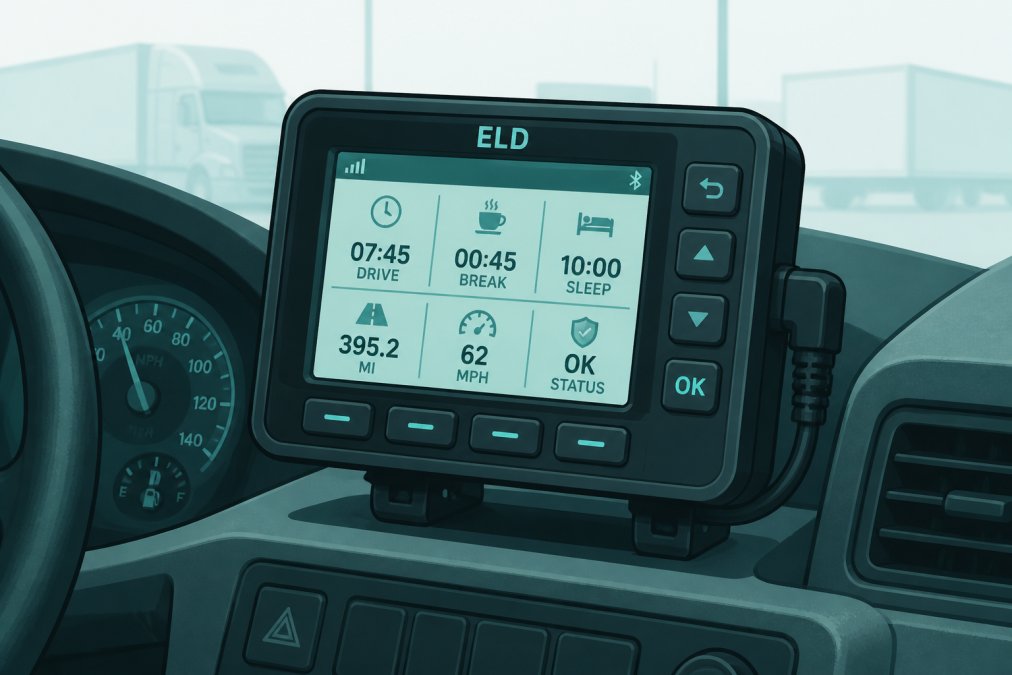
Commercial vehicles generate electronic data that passenger cars typically don’t. Black boxes, electronic logging devices (ELDs), and onboard diagnostic systems capture information critical to fault determination. Insurance companies approach truck accident claims differently because liability exposure is significantly higher, a fully loaded commercial truck weighs 80,000 pounds or more, with potential damages exceeding standard auto accidents by orders of magnitude.
The Role of the Claims Adjuster in Your Truck Accident Investigation
Your claims adjuster serves as the primary investigator and decision-maker throughout the truck accident investigation process. This person determines liability, calculates damages, and authorizes settlement amounts. Their thoroughness directly impacts both timeline and outcome.
Adjusters assigned to commercial vehicle claims typically have specialized training in trucking industry standards, federal regulations, and injuries common in high-impact collisions. They review police reports, interview witnesses, examine physical evidence, and consult with accident reconstruction experts when necessary. If you’re working with a legal representative like Merritt & Merritt Law Firm, your attorney will communicate directly with the adjuster, which can accelerate information exchange and help clarify disputed facts early in the process.
FMCSA Accident Investigation Requirements and Their Impact on Timeline
The Federal Motor Carrier Safety Administration establishes mandatory reporting and investigation standards for commercial truck accidents. FMCSA regulations require motor carriers to report accidents involving fatalities, loss of vehicle use, or injuries requiring immediate medical treatment away from the scene.
Investigators must verify that the driver held a valid commercial driver’s license (CDL) and medical certification at the time of the accident. Hours-of-service compliance is critical, federal law limits driving hours without rest, and violations establish negligence. Vehicle maintenance records must also be reviewed to confirm required inspections and repairs were completed.
Commercial Vehicle Black Box Data and Evidence Collection
Commercial trucks are equipped with electronic systems that record detailed operational data similar to airplane black boxes. Electronic logging devices (ELDs) record driver hours of service, vehicle location, and engine diagnostics, providing a timeline of activities leading up to the accident. Onboard diagnostic systems monitor engine performance and record fault codes that reveal mechanical failures.
Extracting and interpreting this data requires specialized expertise. Insurance companies often hire forensic engineers or accident reconstruction specialists to access and analyze the information. Once extracted, the data must be correlated with police reports, witness statements, and physical evidence, often revealing details invisible to the naked eye such as precise speeds at impact or braking patterns.
Step-by-Step Truck Accident Investigation Process
Step 1: Initial Police Report and Scene Documentation
The truck accident investigation officially begins when law enforcement arrives at the scene. Police officers document the accident location, vehicle positions, road conditions, and visible damage. This initial police report becomes the foundation for all subsequent investigation work.
Officers photograph the accident scene from multiple angles, measure distances between vehicles, document skid marks or debris patterns, and note traffic signals and road hazards. For serious truck accidents, specialized accident reconstruction teams may gather additional technical data. Requesting this report from local law enforcement can add 5 to 10 days to your investigation timeline.
Step 2: Gathering Witness Statements and Driver Accounts
After initial scene documentation, investigators collect detailed statements from everyone involved. These statements form the narrative foundation for determining liability and negligence.
Witness statements typically occur within days of the accident through formal, often recorded interviews. Investigators ask structured questions about vehicle speeds, traffic signals, driver actions, and road conditions. Professional witnesses, such as other truck drivers who observed the accident, carry special weight because their expertise allows informed observations about driver behavior and industry standards. Gathering statements from multiple witnesses typically takes 2 to 3 weeks.
Step 3: Physical Evidence and Damage Analysis
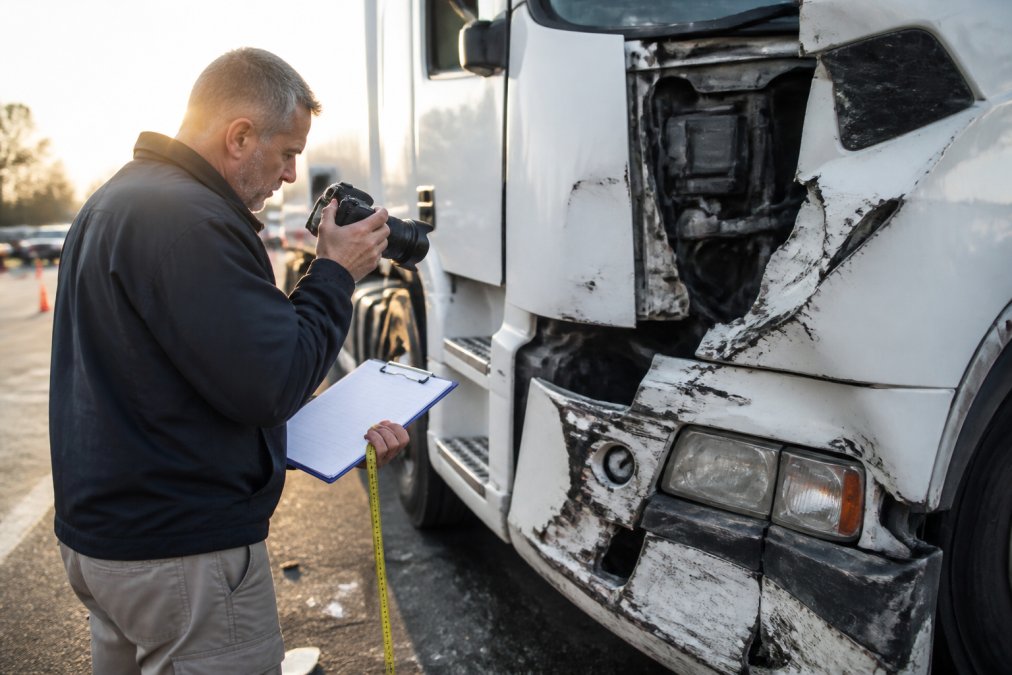
Physical evidence includes vehicle damage, debris patterns, road markings, and objects involved in the collision. Vehicle damage patterns reveal impact force and direction, while debris scattered across the scene indicates how far vehicles traveled post-collision.
Road surface conditions matter significantly in truck accidents. Wet pavement, gravel, potholes, or debris can contribute to accidents or affect vehicle response. Investigators document these conditions and may return to the scene at similar times of day to observe how lighting or traffic patterns might have influenced the accident. Analyzing physical evidence typically takes 2 to 4 weeks.
Step 4: Reviewing Traffic Laws and Liability Assessment
Once evidence is gathered, investigators assess liability by examining traffic laws and driver conduct. Traffic citations issued at the scene carry significant weight in liability determination. Investigators examine whether either driver breached their duty of care, including whether the driver maintained safe speed for conditions, kept proper following distance, and stayed alert to road hazards.
Comparative fault analysis becomes necessary when both drivers share some responsibility. In comparative negligence jurisdictions, each driver’s percentage of fault is determined, and damages are reduced accordingly. The liability assessment phase typically takes 3 to 6 weeks.
Understanding Truck Accident Settlement Timeline
The overall truck accident settlement timeline depends on investigation complexity, injury severity, and whether liability is disputed. A straightforward case with minor injuries and clear liability might settle in 60 to 90 days. Complex cases with severe injuries, multiple vehicles, or disputed liability can take 6 months or longer.
Insurance companies typically don’t make settlement offers until investigation is substantially complete. Medical treatment completion affects settlement timing significantly, insurance companies generally wait until you’ve finished active medical treatment before finalizing settlement.
Schedule a Free Consultation →
How to Speed Up Your Truck Accident Investigation
While you cannot eliminate the time required for thorough investigation, you can take actions that prevent unnecessary delays. Respond promptly to all requests from your insurance company and attorney. Preserve evidence immediately after the accident by photographing vehicle damage, accident scene conditions, and any visible injuries.
Obtain the police report as quickly as possible by contacting the law enforcement agency that responded. Document all medical treatment thoroughly, keeping records of every doctor visit, diagnostic test, treatment procedure, and medication. Consider hiring an attorney early in the process. At Merritt & Merritt Law Firm, we investigate claims aggressively and communicate directly with insurance adjusters to move cases forward efficiently. Early legal representation often accelerates settlement timelines because insurance companies respond more seriously to attorney-represented claims.
Disputing an Adjuster’s Fault Determination
If you disagree with the adjuster’s liability assessment, request a detailed written explanation of their determination, asking specifically which facts support their conclusion about liability.
Gather additional evidence that contradicts the adjuster’s conclusion. If witness statements support your version of events, present them formally. If accident reconstruction analysis shows the other driver was at fault, submit that expert opinion. Provide written rebuttal to the adjuster’s determination, citing specific evidence, witness statements, and traffic law violations by the other driver that establish their liability.
Consider hiring an attorney if the adjuster refuses to reconsider. Insurance companies take attorney-represented claims more seriously.
A truck accident investigation demands patience, but understanding the process helps you navigate it effectively. The timeline extends beyond standard car accidents because federal regulations, commercial liability concerns, and complex evidence require thorough examination. While investigation takes time, that time protects your interests by ensuring accurate liability determination and fair compensation.
At Merritt & Merritt Law Firm, we guide clients through every phase of truck accident investigations. With over 45 years of trial experience, our team knows how to investigate claims thoroughly and negotiate settlements aggressively. We’re available 24 hours a day and can meet you at your home, office, or hospital, whatever works best for your situation. You only pay if we win, which means our success depends entirely on securing the compensation you deserve. Schedule a free consultation today and let us investigate your truck accident claim.
Investigation Phase | Typical Duration | Key Activities |
|---|---|---|
Initial Scene Documentation | Same day to 1 week | Police report, photography, measurements |
Witness Statements | 2-3 weeks | Interviews with drivers, witnesses, passengers |
Evidence Analysis | 2-4 weeks | Physical damage review, debris patterns, road conditions |
Electronic Data Review | 2-4 weeks | Black box extraction, ELD records, diagnostics |
Liability Assessment | 3-6 weeks | Traffic law review, comparative fault analysis |
Expert Consultation | 2-8 weeks | Accident reconstruction, medical evaluation |
Total Investigation | 30-90 days | All phases combined |
Frequently Asked Questions
How long does a truck accident investigation typically take? Most truck accident investigations take 30 to 90 days. Simple cases with clear liability and minor injuries may resolve in 60 days, while complex cases involving severe injuries, multiple vehicles, or disputed liability can extend 6 months or longer.
Can I settle my truck accident claim before the investigation completes? You can settle at any time, but settling before investigation is complete often results in accepting less compensation than your claim is worth. Insurance companies typically don’t make fair settlement offers until they’ve gathered sufficient evidence to assess liability and calculate damages accurately.
What documents should I request to speed up my truck accident investigation? Request the police report, electronic logging device records, black box data, maintenance records, driver qualification files, and any dashboard camera footage. Also ask for the adjuster’s written investigation summary and preliminary liability assessment.
How does comparative negligence affect my truck accident settlement? In comparative negligence jurisdictions, your settlement is reduced by your percentage of fault. If you’re found 20% at fault and the truck driver is 80% at fault, your settlement is reduced by 20%. Accurate liability determination is critical, as small differences in fault percentages significantly impact compensation amounts.
What should I do if the insurance company’s adjuster says the other driver isn’t at fault? Request a detailed written explanation of their reasoning. Gather additional evidence that contradicts their conclusion, including witness statements, accident reconstruction analysis, or traffic law violations by the other driver. Submit written rebuttal and request reconsideration. If the company refuses to change their position, consult with an attorney.
Does hiring an attorney really speed up my truck accident investigation? Yes. Insurance companies respond more seriously to attorney-represented claims. Attorneys know which documents to request, which experts to consult, and how to apply strategic pressure that moves investigations forward. Many cases that stall as individual claims settle quickly once legal representation enters the picture.
Evidence Type | Collection Timeline | Importance Level |
|---|---|---|
Police report | 1-2 weeks | Critical foundation |
Witness statements | 2-3 weeks | High, establishes narrative |
Vehicle damage analysis | 2-4 weeks | High, indicates impact force |
Black box/ELD data | 2-4 weeks | Critical for commercial trucks |
Traffic law violations | Immediate | High, establishes negligence |
Medical records | Ongoing | Critical for damages |
Expert reconstruction | 4-8 weeks | High, supports complex cases |
Frequently Asked Questions
How long does a typical truck accident investigation take?
Most truck accident investigations take 30 to 90 days, depending on complexity, the severity of injuries, and whether FMCSA requirements apply. Commercial vehicle accidents involving serious injury or fatality can extend to 6 months or longer. The investigation timeline begins when the claims adjuster is assigned and continues until all evidence is collected, analyzed, and liability is determined.
What role does FMCSA accident investigation requirements play in how long my case takes?
The Federal Motor Carrier Safety Administration (FMCSA) requires investigations into accidents involving commercial trucks that result in injury, death, or significant property damage. These federal requirements add compliance steps that extend the timeline. Investigators must review driver logs, maintenance records, and vehicle data in addition to standard evidence collection, which can add 2 to 4 weeks to the overall process.
How does commercial vehicle black box data affect the investigation timeline?
Commercial vehicle black box data—including electronic logging device (ELD) records, GPS tracking, and engine diagnostics—can actually speed up investigations by providing objective evidence of speed, braking, and driver behavior. However, retrieving and analyzing this data requires technical expertise and coordination with the carrier, which typically adds 1 to 3 weeks to the investigation.
Can I do anything to speed up my truck accident investigation?
Yes. Provide your attorney with all documentation immediately: the police report, photos from the scene, witness contact information, medical records, and any dashboard camera footage. Respond promptly to adjuster requests and avoid giving recorded statements without legal counsel present. Working with an experienced attorney who understands truck accident liability can also help push the investigation forward and prevent unnecessary delays.
Our Locations

Atlanta/Decatur
1 West Court Square
Suite 750
Decatur, GA 30030
Savannah
100 Bull Street
Suite 200
Savannah, GA 31401
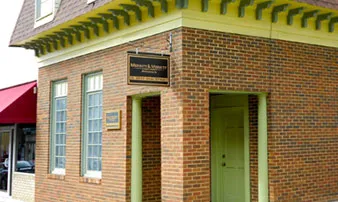
Statesboro
15 West Main Street
Statesboro, GA 30458
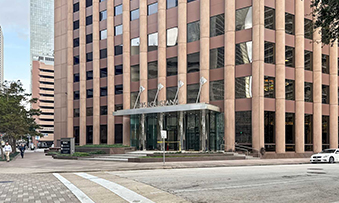
Houston
1415 Louisiana Street,
Suite 1800,
Houston, TX 77002
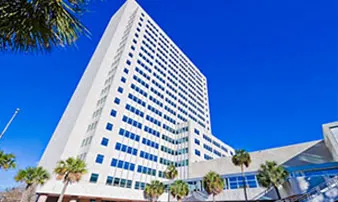
Jacksonville
841 Prudential Drive
12th Floor
Jacksonville, FL 32207

Contact Us
© Copyright 2026 Merritt & Merritt Law Firm. All rights reserved.