
call us 24/7 1-800-738-WE-WIN
call us 24/7 1-800-738-WE-WIN
Serving All of Georgia, Florida, & Texas
Truck Black Box Destroyed: Your Legal Rights
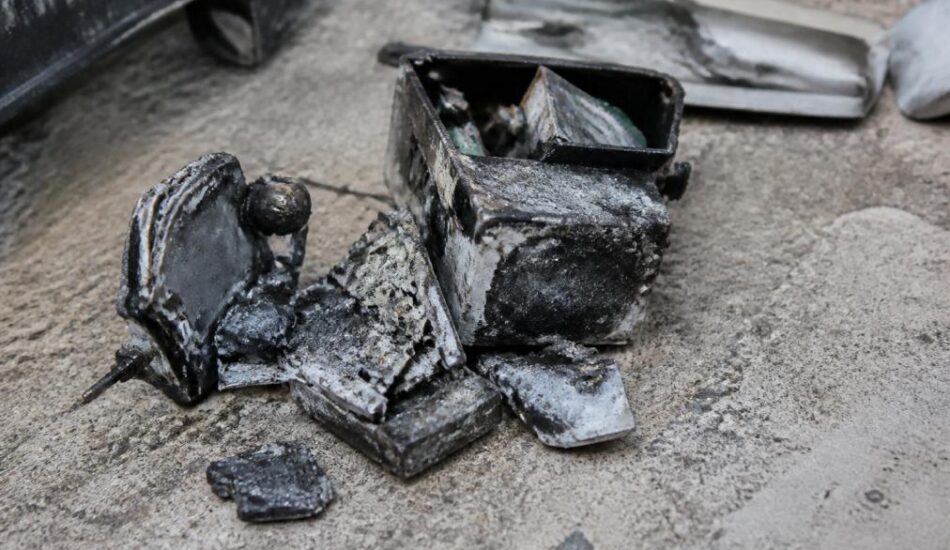
Table of Contents
- What Happens When a Truck Black Box Is Destroyed
- Spoliation of Evidence in Truck Accident Cases
- FMCSA Electronic Logging Device Regulations and Data Preservation
- Sending a Truck Accident Evidence Preservation Letter
- How Destroyed Black Box Data Affects Your Insurance Claim
- Steps to Take if the Truck Black Box Is Missing or Destroyed
- Why You Need Legal Representation When Evidence Is Destroyed
Last Updated: August 16, 2026
What Happens When a Truck Black Box Is Destroyed
When a truck’s black box is destroyed, you lose critical electronic evidence that could have proven liability in your accident case. The truck black box destroyed scenario creates immediate legal complications because that data, including speed, braking patterns, acceleration, and hours of service, becomes permanently unavailable for investigation. At Merritt & Merritt Law Firm, we’ve handled cases where destroyed black box evidence fundamentally changed how we had to approach proving fault and securing fair compensation for our clients.
Truck Accident call Merritt & Merritt Law Firm at 404-975-1775.
The black box, officially called an electronic logging device (ELD) or event data recorder (EDR), captures real-time operational data. When it’s missing or destroyed, the insurance company and defense attorneys will argue that liability cannot be definitively established. This absence of evidence becomes their defense strategy. However, a destroyed black box doesn’t automatically mean your case is lost, it means you need aggressive legal representation to pursue alternative evidence and hold the trucking company accountable for the destruction itself.
Spoliation of Evidence in Truck Accident Cases
Spoliation of evidence is the legal term for the destruction, loss, or failure to preserve evidence that is relevant to a pending or reasonably anticipated lawsuit. When a truck black box destroyed situation occurs, it may constitute spoliation if the trucking company knew or should have known that the evidence would be needed for litigation.
The significance of spoliation extends beyond the immediate loss of data. Courts recognize that when a party destroys evidence, it often suggests consciousness of guilt. Many jurisdictions allow judges to issue an “adverse inference instruction” to the jury, which essentially tells jurors they can assume the destroyed evidence would have been unfavorable to the party that destroyed it. This legal remedy can shift the burden back toward the trucking company even without the actual black box data.
Spoliation claims require proving several elements: the evidence existed, the defendant had a duty to preserve it, the defendant destroyed it or failed to preserve it, and you suffered prejudice as a result. A truck black box destroyed during or immediately after an accident raises serious questions about whether that destruction was intentional or negligent. Your attorney will investigate whether the trucking company had policies requiring evidence preservation and whether those policies were followed.
FMCSA Electronic Logging Device Regulations and Data Preservation
The Federal Motor Carrier Safety Administration (FMCSA) mandates that commercial trucking companies maintain electronic logging devices on their vehicles. These devices record critical operational data including hours of service violations, speed, braking events, and acceleration patterns. The FMCSA regulations require that this data be preserved for a minimum period, typically at least 30 days for certain critical events.
Understanding these regulations is essential because they establish a legal duty for the trucking company to preserve the truck black box data. When a truck black box destroyed situation occurs, you can argue that the company violated federal regulations by failing to maintain the required records. This regulatory violation strengthens your case by demonstrating that the destruction wasn’t accidental, it was a failure to comply with mandatory federal safety standards.
The FMCSA requires trucking companies to have specific procedures for data management and preservation. These procedures should include backup systems, secure storage, and protocols for maintaining data integrity. When these procedures are ignored or circumvented, it suggests deliberate misconduct rather than accidental loss. Your legal team can subpoena the trucking company’s data management policies to show whether they violated their own protocols or federal requirements.
Many trucking companies use telematics systems that automatically upload data to cloud servers. If the truck black box destroyed scenario involves a company that claims data loss, your attorney can investigate whether backup copies exist on company servers or with third-party fleet management providers. This investigation often reveals that the “destroyed” data may still be recoverable through proper legal channels.
Sending a Truck Accident Evidence Preservation Letter
An evidence preservation letter is a formal written demand that the trucking company, their insurance carrier, and any other relevant parties preserve all evidence related to your accident. This letter must be sent immediately after the accident, ideally within 24 to 48 hours, to establish a legal duty to preserve evidence and create a record that the company was on notice.
The letter should specifically demand preservation of the truck black box data, telematics records, maintenance logs, driver logbooks, dispatch records, and the vehicle itself. By sending this letter, you create documented evidence that the trucking company knew evidence was needed. If they subsequently allow the truck black box destroyed or fail to preserve other evidence, they cannot claim ignorance about their preservation obligations.
Your preservation letter should be sent via certified mail with return receipt requested to multiple parties: the trucking company, their insurance carrier, the vehicle owner if different from the operator, and any third-party fleet management companies. This creates a clear paper trail showing when each party was notified and what they were required to preserve.
The letter serves another critical purpose: it prevents the defense from claiming that evidence loss was routine or accidental. Once they receive the preservation letter, any subsequent destruction becomes potentially intentional spoliation rather than negligence. Courts take this distinction seriously, and it can result in sanctions against the trucking company.
How Destroyed Black Box Data Affects Your Insurance Claim
When the truck black box destroyed scenario unfolds, your insurance claim becomes significantly more complicated. Insurance adjusters rely heavily on electronic data to determine fault and liability. Without this data, they may claim insufficient evidence exists to establish the truck driver’s negligence or the trucking company’s liability.
However, a destroyed black box does not eliminate your claim, it changes the burden of proof dynamics. The trucking company must now explain why the data is missing and why they failed to preserve it. Many insurance companies will initially deny claims citing lack of evidence, but this denial can be challenged and appealed, especially if spoliation is involved.
Your claim can still succeed through alternative evidence: witness statements, police reports, photographs of vehicle damage, medical records showing injury patterns consistent with the accident scenario, and testimony from accident reconstruction experts. These alternatives become more important when the truck black box destroyed situation limits electronic data availability.
Document everything related to the missing black box. Photograph the truck’s condition, note the location of the ELD unit, and ask the police officer whether they documented the device’s presence or absence. Request the police report, which may contain information about evidence collection or the vehicle’s condition at the accident scene.
Steps to Take if the Truck Black Box Is Missing or Destroyed
If you discover the truck black box destroyed or missing after your accident, follow these steps to protect your legal rights and strengthen your case.

Step 1: Document the Truck’s Condition Immediately
Take photographs and video of the truck from multiple angles. Specifically photograph the location where the black box should be mounted. Note the date, time, and condition of the vehicle. If the ELD unit is visibly damaged or missing, document this clearly. This photographic evidence creates a record of the truck’s condition before anyone can claim the device was never present or was damaged by accident.
Step 2: Obtain the Police Report
Schedule a Free Consultation →
Request the official police report from the accident. The report should document the vehicle’s condition, any evidence collected, and officer observations. Ask specifically whether the officer noted the presence or absence of an electronic logging device. If the report mentions the black box or lack thereof, this becomes important documentation for your case.
Step 3: Send a Formal Evidence Preservation Letter
Your attorney should send a certified evidence preservation letter immediately to the trucking company, their insurance carrier, and any fleet management providers. This letter must specifically demand preservation of all electronic data, telematics records, backup systems, and the vehicle itself. Sending this letter within 24 to 48 hours of the accident establishes a clear legal duty to preserve evidence.
Step 4: Request the Trucking Company’s Data Management Policies
Through discovery, your attorney can demand copies of the trucking company’s policies regarding data preservation, backup procedures, and ELD maintenance. These policies establish what the company was required to do and whether they complied. If their policies required data backup and the company failed to maintain backups, this demonstrates negligence or intentional destruction.
Step 5: Investigate Third-Party Data Storage
Many trucking companies use fleet management companies or cloud-based telematics providers that automatically store data. Your attorney can subpoena these third-party providers to determine whether backup copies of the truck black box destroyed data still exist. Companies like Samsara, Verizon Connect, or similar providers often maintain redundant copies that the trucking company may not have disclosed.
Step 6: Hire an Accident Reconstruction Expert
An accident reconstruction expert can analyze the damage patterns to your vehicle and the truck to determine speed, impact angle, and likely fault. This expert testimony becomes critical when electronic data is unavailable. They can also testify about what the black box data likely would have shown based on the physical evidence.
Step 7: File a Spoliation Claim
If evidence suggests the truck black box destroyed situation was intentional or resulted from failure to comply with preservation obligations, your attorney can file a separate spoliation claim. This claim can result in sanctions against the trucking company, adverse inference instructions to the jury, or additional damages for the destruction of evidence.
Why You Need Legal Representation When Evidence Is Destroyed
When a truck black box destroyed scenario occurs, the complexity of your case increases dramatically. Insurance companies and trucking companies have extensive experience dealing with destroyed evidence claims, and they know how to minimize their liability when electronic data is unavailable. You need experienced legal representation to counter their strategies.
A qualified attorney understands that destroyed black box data doesn’t end your case, it requires a different approach. Your lawyer will pursue alternative evidence aggressively, investigate whether spoliation occurred, and file preservation letters immediately to prevent further evidence loss. At Merritt & Merritt Law Firm, our team has over 45 years of trial experience handling cases where critical evidence has been lost or destroyed. We know how to build compelling cases without relying solely on electronic data.
Your attorney will also handle communication with insurance adjusters, ensuring you don’t inadvertently damage your claim through statements made before you fully understand the evidence situation. Insurance companies often try to pressure injured victims into accepting inadequate settlements quickly, before they realize that evidence preservation issues exist. Having legal representation prevents this pressure from forcing you into a bad settlement.
The contingency fee structure at Merritt & Merritt Law Firm means you pay nothing unless we win your case. This alignment ensures our team is fully invested in maximizing your compensation, not in settling quickly for the insurance company’s initial offer. We offer 24-hour service and can visit you in your home, office, or hospital to discuss your case immediately after your accident.
When evidence is destroyed in a truck accident, your legal options don’t disappear, they evolve. Spoliation claims, adverse inference instructions, and alternative evidence strategies can still result in fair compensation for your injuries and losses. The key is acting quickly to preserve remaining evidence and engaging experienced legal counsel before insurance companies use the missing black box to deny your claim. Contact Merritt & Merritt Law Firm for a free consultation to discuss how we can pursue your case despite the destroyed evidence, and let our 45 years of trial experience work to hold the trucking company accountable for your injuries.
Frequently Asked Questions
Is it illegal to destroy a truck's black box after a crash?
Yes. Trucking companies and drivers have a legal duty to preserve electronic evidence, including black box data, once an accident occurs. Intentionally destroying or failing to preserve this data is spoliation of evidence, which violates discovery rules and can result in severe penalties. Federal Motor Carrier Safety Administration (FMCSA) regulations require carriers to maintain electronic logging device records. Destroying this evidence after an accident can expose the trucking company to sanctions, adverse inference instructions (where courts assume the destroyed evidence was harmful to their case), and increased liability in your lawsuit.
How does spoliation of evidence affect a truck accident lawsuit?
Spoliation of evidence can significantly strengthen your case. When a trucking company destroys or fails to preserve black box data after an accident, courts may issue an adverse inference instruction, which tells the jury to assume the destroyed evidence would have supported your claim. This can shift the burden of proof and increase the likelihood of a favorable settlement or verdict. Additionally, spoliation can result in sanctions against the defendant, including monetary penalties, case dismissal in your favor, or attorney fee awards. The destruction itself becomes evidence of consciousness of guilt, suggesting the trucking company knew the data would prove negligence.
What should I do if I suspect the truck black box data has been destroyed?
Contact an attorney immediately. Your lawyer can send a formal evidence preservation letter to the trucking company, requiring them to preserve all remaining evidence, including electronic logging device records, maintenance logs, and driver records. If destruction has already occurred, your attorney can file a motion for spoliation sanctions and request an adverse inference instruction. Document everything: photograph the accident scene, collect witness statements, obtain the police report, and gather your medical records. Your attorney will investigate whether the destruction was intentional or negligent and use this information to build a stronger claim for compensation.
Can data be recovered from a damaged truck black box?
In some cases, yes. Modern truck black boxes store data redundantly and in multiple formats, making complete data loss rare. A qualified digital forensics expert or the manufacturer may be able to recover partial or complete data even from a physically damaged device. However, recovery depends on the extent of the damage and how quickly the device is secured and analyzed. This is why it's critical to act fast: preserve the black box itself, prevent further tampering, and have your attorney engage experts to attempt recovery before the trucking company can claim the data is irretrievable.
Our Locations

Atlanta/Decatur
1 West Court Square
Suite 750
Decatur, GA 30030

Savannah
100 Bull Street
Suite 200
Savannah, GA 31401

Statesboro
15 West Main Street
Statesboro, GA 30458

Houston
1415 Louisiana Street,
Suite 1800,
Houston, TX 77002

Jacksonville
841 Prudential Drive
12th Floor
Jacksonville, FL 32207

Contact Us
© Copyright 2026 Merritt & Merritt Law Firm. All rights reserved.