
call us 24/7 1-800-738-WE-WIN
call us 24/7 1-800-738-WE-WIN
Serving All of Georgia, Florida, & Texas
How to Prove No Fault in a Rear End Collision
Table of Contents
- Why the Rear Driver Is Usually at Fault (And How to Rebut It)
- Evidence Needed for Car Accident Claim: What to Gather at the Scene
- How to Document Car Accident Scene Details That Win Your Case
- How Comparative Negligence in Car Accidents Affects Your Claim
- Step-by-Step: Building Your No-Fault Defense
- Common Mistakes That Undermine Your No-Fault Claim
- When to Contact an Attorney for Your Rear End Collision
- Frequently Asked Questions
Last Updated: September 9, 2026
Why the Rear Driver Is Usually at Fault (And How to Rebut It)
Presumptions are not verdicts. In most rear end collision cases, the law presumes the trailing driver failed to maintain a proper lookout or safe following distance, making them liable for damages (law.cornell.edu). This presumption stems from the basic rule that a driver must control their vehicle to avoid hitting the vehicle ahead.
To prove no fault in a rear end collision, you must present evidence that rebuts this presumption. The most successful rebuttals show the lead driver did something unexpected and unsafe that left you with no reasonable chance to stop. A sudden, hard brake with no warning, an illegal lane change that cut you off, or a mechanical failure like brake light malfunction on the lead vehicle can shift liability (nolo.com). The key is demonstrating that your reaction time was not the cause; the other driver’s actions created the hazard. The key is demonstrating that your reaction time was not the cause; the other driver’s actions created the hazard.
Evidence Needed for Car Accident Claim: What to Gather at the Scene
The moments after impact are when your case is won or lost. The evidence needed for car accident claim success is gathered at the scene before cars move and memories fade. Your priority is to document conditions exactly as they occurred, not to assign blame on the pavement.
Photos and Videos That Document the Scene
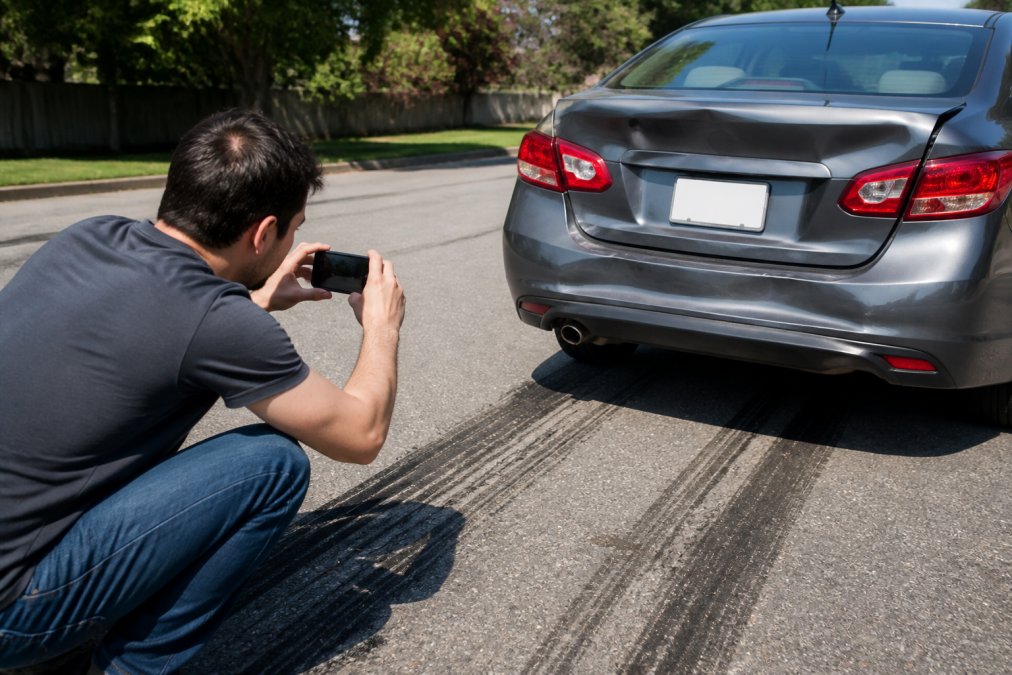
Your camera is your best witness. Take wide shots showing both vehicles in their final positions, then move in for close-ups of the damage, the road surface, and any debris. Capture the traffic signals, road signs, and weather conditions. If the other driver claims you were speeding or distracted, your photos may show skid marks that contradict their story. Video is even better: slowly pan the entire scene, narrating what you see as you record.
Witness Statements and Contact Information
Bystanders are neutral observers, and their accounts can break a deadlock. Ask anyone who saw the impact if they are willing to give a statement, and collect their name and phone number. A witness who saw the lead driver brake suddenly for no reason is often the difference between a denied claim and a fair settlement.
How to Document Car Accident Scene Details That Win Your Case
A common mistake is focusing only on vehicle damage while ignoring the surrounding context. The grade of the road, the distance between the final resting positions, and even the position of the sun can matter. If you crested a hill and found a stopped car on the other side, that geography supports your defense. Note whether the lead driver was turning, whether their brake lights were working, and whether any obstructions blocked your view. These details help establish comparative negligence in car accidents, where fault is shared proportionally.
How Comparative Negligence in Car Accidents Affects Your Claim
Comparative negligence in car accidents allows fault to be split between drivers. If the lead driver stopped abruptly without reason, they may bear significant responsibility even though you struck them from behind. This system means you do not need to prove the other driver was 100 percent at fault to recover compensation; you only need to show they contributed to the crash. Your recoverable damages are reduced by your percentage of fault, so a strong defense that shifts blame can substantially increase your settlement.
Step-by-Step: Building Your No-Fault Defense
Building a defense requires methodical action, not panic. Follow these steps in order to preserve your rights and strengthen your position.
Step 1: Seek Medical Attention and Document Injuries
Your health comes first, and your medical records serve as the backbone of your claim. Even if you feel fine, see a doctor. Injuries like whiplash often surface days later, and a gap in treatment gives the insurance company an excuse to question your injuries. Document every symptom, follow your treatment plan, and keep records of all out-of-pocket costs.
Step 2: Report the Accident and File a Police Report
Call the police and request an official report. The responding officer will document the scene, note visible damage, and record statements from both drivers and witnesses. This report is an impartial record that insurance adjusters rely on heavily. If the officer issues a citation to the other driver for an unsafe lane change or following too closely, your defense gains significant credibility (dmv.org).
Schedule a Free Consultation →
Step 3: Handle the Insurance Adjuster and Avoid Common Mistakes
The insurance adjuster’s job is to minimize the payout. They will contact you quickly, often within days, to get a recorded statement. You are not required to give one immediately. Politely decline and refer them to your attorney. Never sign a release of liability or accept a quick settlement before you understand the full extent of your injuries and the legal standards that apply. If you are unsure how to proceed, consulting a personal injury attorney protects your interests.
Common Mistakes That Undermine Your No-Fault Claim
Several errors can destroy an otherwise solid defense. Admitting fault at the scene, even a casual “I’m sorry,” can be used against you later. Posting about the accident on social media invites scrutiny of your claims. Delaying medical treatment suggests your injuries are not serious. Perhaps the most damaging mistake is accepting the first settlement offer, which is often a low-ball figure designed to close your case cheaply. Insurance companies know that most claimants lack the resources to fight, so they test the waters with an initial offer far below what your claim is worth.
When to Contact an Attorney for Your Rear End Collision
If the insurance company disputes liability, if your injuries require ongoing care, or if the at-fault driver’s policy limits are insufficient to cover your losses, legal representation becomes essential. An attorney handles the negotiation, gathers expert witnesses, and prepares your case for litigation if a fair settlement cannot be reached. Attorneys work on a contingency fee basis, meaning you pay nothing unless they win your case.
The team at Merritt & Merritt Law Firm brings over 45 years of trial experience to rear end collision claims. We offer 24-hour service and can meet you at home, in the office, or at the hospital. Our attorneys investigate the facts, calculate the full value of your damages including future medical care and lost wages, and negotiate directly with the insurance company so you can focus on recovery.
Proving no fault in a rear end collision requires swift evidence collection, a clear understanding of comparative negligence, and disciplined communication with insurers. Most drivers are not prepared to navigate these complexities alone, especially while recovering from injuries. Merritt & Merritt Law Firm provides immediate case evaluation, thorough investigation of your claim, and clear expectations at every stage of the process. Schedule a free consultation to discuss your case and learn how our trial team can fight for the compensation you deserve.
Frequently Asked Questions
Is the person in the back always at fault in a rear-end collision?
No, the rear driver is presumed at fault in most rear end collisions, but that presumption can be rebutted. If the front driver suddenly reversed into you, cut you off without warning, or had broken brake lights, you may prove no fault in a rear end collision. Georgia’s comparative negligence rules also allow fault to be split. For example, if the front driver stopped abruptly for no reason, they may bear partial responsibility for the crash.
What evidence is needed to prove no fault in a rear-end accident?
Strong evidence for a car accident claim includes photos of vehicle damage and skid marks, witness statements, and a police report. Also document road conditions, traffic patterns, and any dashcam footage. Medical records linking your injuries to the crash are critical. If the other driver’s brake lights were out or they made an illegal lane change, evidence of those violations helps establish their liability under Georgia law.
How does comparative negligence affect rear-end collision claims?
Georgia follows a modified comparative negligence rule. Your compensation is reduced by your percentage of fault, and you cannot recover anything if you are 50% or more at fault. In a rear end collision, the other driver might argue you stopped suddenly or braked without reason. Proving no fault in a rear end collision means showing the other driver violated a duty of care, which requires gathering evidence like traffic camera footage and witness testimony.
What should I do immediately after a rear-end collision to protect my claim?
First, check for injuries and call the police to file an official report. Do not apologize or admit fault at the scene, as statements can be used against you. Document the car accident scene thoroughly with photos of both vehicles, the surrounding area, and any visible damage. Exchange information with the other driver and collect witness contacts. Seek medical attention even if you feel fine, as injuries like whiplash may not appear for days.
Our Locations

Atlanta/Decatur
1 West Court Square
Suite 750
Decatur, GA 30030

Savannah
100 Bull Street
Suite 200
Savannah, GA 31401
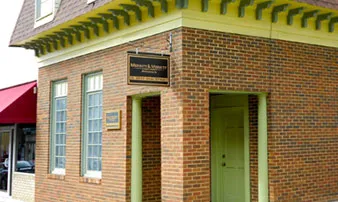
Statesboro
15 West Main Street
Statesboro, GA 30458
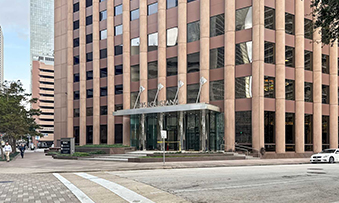
Houston
1415 Louisiana Street,
Suite 1800,
Houston, TX 77002

Jacksonville
841 Prudential Drive
12th Floor
Jacksonville, FL 32207

Contact Us
© Copyright 2026 Merritt & Merritt Law Firm. All rights reserved.