
call us 24/7 1-800-738-WE-WIN
call us 24/7 1-800-738-WE-WIN
Serving All of Georgia, Florida, & Texas
How Long Do Personal Injury Cases Take: A Timeline

Table of Contents
- How Long Do Personal Injury Cases Take: What to Expect
- Stages of a Personal Injury Lawsuit Explained
- Factors Affecting Personal Injury Settlement Time
- How Long Does It Take to Get a Settlement Check
- Settlement vs. Trial: Which Path Takes Longer
- Managing the Financial and Psychological Impact During Your Case
- How to Speed Up Your Personal Injury Case
- Conclusion: Get Clarity on Your Case Timeline Today
Last Updated: July 13, 2026
How Long Do Personal Injury Cases Take: What to Expect
When you’re injured due to someone else’s negligence, one of the first questions is: how long do personal injury cases take? Most personal injury cases settle within one to three years, though timelines vary based on injury severity, court schedules, and insurance company responsiveness. This guide breaks down what to expect at each stage and what factors speed up or slow down your claim.

The Short Answer
Most personal injury cases resolve within 12 to 36 months from the date of injury. Straightforward claims with clear liability and moderate damages can settle in 6 to 12 months. Complex cases involving multiple parties, catastrophic injuries, or disputed liability regularly take three to five years or longer. The critical variable is how quickly your medical treatment concludes and whether the insurance company cooperates in settlement negotiations.
Call the Merritt & Merritt Law Firm today at 404-975-1775.
Offices: Atlanta | Savannah | Statesboro | Houston, TX.
Why Timeline Varies
Case duration depends primarily on medical treatment duration. You cannot meaningfully negotiate a settlement until you reach maximum medical improvement, the point where your condition stabilizes and further treatment won’t improve your outcome. Court backlogs, evidence complexity, and insurance company responsiveness also significantly affect progression.
Stages of a Personal Injury Lawsuit Explained
Every claim follows a predictable sequence of stages, though time spent in each varies based on your circumstances.
Pre-Litigation Phase
The pre-litigation phase begins at injury and extends until a formal lawsuit is filed, typically lasting three to six months. During this time, you seek medical treatment, gather evidence, and document damages. Your attorney investigates the incident, collects medical records, and obtains police reports or witness statements. Many cases settle during this phase if liability is clear and damages are straightforward. Insurance companies often make settlement offers within 60 to 90 days of receiving your claim. If the insurer disputes liability or undervalues your claim, you’ll file a lawsuit to proceed.
Discovery and Investigation
Once a lawsuit is filed, the discovery phase begins. Both sides exchange evidence, medical records, witness statements, and expert reports. Discovery typically lasts six to twelve months depending on case complexity. Your attorney may take depositions, recorded statements from you, the defendant, and witnesses. Many cases settle during or immediately after discovery once both parties have full information about evidence and likely trial outcomes.
Negotiation and Mediation
Formal mediation typically occurs after discovery concludes. A neutral third party brings both sides together to attempt settlement, a process that usually takes one to three months. Mediation is less adversarial than trial and often produces solutions both parties accept. Many cases resolve at mediation without reaching trial. If mediation fails, your case moves toward trial preparation, typically lasting two to four months.
Trial or Settlement
If your case reaches trial, expect three to six additional months from final preparation to verdict. However, roughly 95 percent of personal injury claims settle before trial. Settlement can happen at any stage, pre-litigation, during discovery, at mediation, or during trial preparation.
Factors Affecting Personal Injury Settlement Time
Case Complexity and Liability
Straightforward cases with clear liability settle much faster than complex cases. A driver who ran a red light with multiple witnesses settles quickly. Disputed liability, comparative negligence, or multiple defendants significantly extend timelines by requiring additional investigation and negotiation across separate legal teams and insurance companies.
Medical Treatment and Maximum Medical Improvement
Your case cannot settle fairly until you’ve completed medical treatment and reached maximum medical improvement. A broken leg healing in three months moves faster than a spinal cord injury requiring two years of rehabilitation. Determining the full scope of traumatic brain injuries through neuropsychological evaluation can take years.
Court Backlog and Jurisdiction
Your location matters significantly. Urban courts with heavy caseloads experience longer delays than rural courts. Some jurisdictions have trial backlogs extending two to three years. Understanding your local court’s practices helps set realistic expectations.
Insurance Company Response
How quickly the defendant’s insurance company responds directly affects your timeline. Cooperative insurers with clear authority to settle move cases forward efficiently. Insurers that deny claims, dispute liability, or make unreasonably low offers force extended litigation and negotiation.
How Long Does It Take to Get a Settlement Check
Post-Settlement Timeline
Once you and the defendant’s insurance company agree on a settlement amount, your attorney prepares a settlement agreement detailing terms, including the settlement amount and release of liability. Both parties must sign this agreement. The insurance company typically issues a settlement check within two to four weeks. However, structured settlements, minor settlements, or cases with liens from medical providers or government agencies extend this timeline. Medical provider liens must be negotiated and settled before you receive your net proceeds, potentially adding four to eight weeks.
Funding and Payment Processing
Once the settlement check arrives at your attorney’s office, it’s deposited into a trust account. Your attorney calculates your net recovery after deducting legal fees, court costs, and liens. This accounting typically takes one to two weeks. You receive your check within four to six weeks after the settlement agreement is signed, though complications such as disputed liens can delay payment further.
Settlement vs. Trial: Which Path Takes Longer
Settlement almost always resolves faster than trial. A settled case typically takes 12 to 36 months from injury to final payment. A case going to trial often takes three to five years or longer due to extensive preparation, witness coordination, and expert scheduling. Even after trial, losing parties often appeal, extending the process another year. However, if an insurance company’s settlement offer is inadequate and doesn’t fairly compensate you for injuries and losses, pursuing trial may be necessary despite the longer timeline.
Managing the Financial and Psychological Impact During Your Case
Financial Planning While Waiting
Extended case timelines create genuine financial hardship if injuries prevent work. Discuss a settlement advance with your attorney, some firms arrange funding against your expected settlement, typically costing 10 to 15 percent interest but providing critical relief. Document all lost wages and expenses meticulously; your damages claim includes income lost due to injury. Consider whether you can return to work in a modified capacity to reduce financial pressure.
Coping with the Emotional Toll
The psychological impact of lengthy litigation is real. Repeatedly reliving your injury through depositions and medical evaluations takes an emotional toll. Seeking mental health support during this process is legitimate and valuable. Maintaining perspective helps: your case will eventually resolve. Setting small milestones, completing medical treatment, finishing discovery, reaching mediation, provides concrete progress to celebrate.
How to Speed Up Your Personal Injury Case
Complete medical treatment as quickly as reasonably possible. The faster you reach maximum medical improvement, the faster your case can settle. Respond immediately to your attorney’s requests for information and documentation. Maintain organized medical records and receipts for all expenses. Avoid social media posts about your injury or case; insurance companies monitor social media for evidence to dispute claims. Be realistic in settlement negotiations, if your attorney advises an offer is reasonable, seriously consider accepting it rather than extending your case years for an unrealistic amount.
The timeline for personal injury cases frustrates many clients because it rarely moves as quickly as hoped. However, understanding the stages, factors affecting duration, and realistic expectations helps you navigate the process with greater confidence. With clear timelines based on your specific circumstances and thorough investigation, you can work toward timely settlement of your case. If you’re injured and uncertain about what to expect, schedule a free consultation today to discuss your case timeline and next steps.
Frequently Asked Questions
What is the average length of a personal injury settlement?
Personal injury cases typically resolve within 1-3 years, though timelines vary significantly based on case complexity, medical treatment duration, and whether litigation goes to trial. Simple claims with clear liability may settle in 6-12 months, while complex cases involving multiple parties or disputed damages often extend beyond 2 years. Settlement process timelines depend heavily on how quickly medical records are obtained, the insurance adjuster's responsiveness, and whether the parties can reach agreement during negotiation without proceeding to trial.
Why do personal injury cases take so long?
Several factors contribute to longer timelines: gathering comprehensive medical records and evidence takes time, medical treatment must reach maximum medical improvement before damages can be accurately calculated, discovery phase involves exchanging information between plaintiff and defendant, court backlogs delay trial dates, and insurance companies may take months to evaluate claims. Additionally, if liability is disputed or damages are substantial, negotiation and mediation can extend the timeline as both sides work toward a settlement offer that reflects the true value of the case.
How long does it take to get a settlement check after settlement?
After a settlement agreement is reached, expect 30-45 days for the settlement check to arrive. This post-settlement timeline includes time for your attorney to review and approve the settlement agreement, the defendant's insurance company to process the payment, and funds to clear through banking systems. Your legal counsel will typically hold the funds in a trust account briefly to ensure the check clears before distributing your portion after deducting attorney fees and medical liens. Some cases resolve faster, while others may take slightly longer depending on insurance policy limits and payment processing procedures.
Can I speed up my personal injury claim?
Yes, several actions can help accelerate your case: provide medical records and documentation promptly to your attorney, follow medical treatment recommendations consistently, respond quickly to discovery requests, and be prepared for settlement negotiations. Working with an experienced legal counsel who understands statute of limitations and can efficiently manage the investigation phase helps prevent unnecessary delays. Avoiding disputes over liability and damages, when possible, also shortens the timeline. However, some delays—like court backlog—are beyond your control, so realistic expectations about your case timeline are essential.
Our Locations

Atlanta/Decatur
1 West Court Square
Suite 750
Decatur, GA 30030

Savannah
100 Bull Street
Suite 200
Savannah, GA 31401

Statesboro
15 West Main Street
Statesboro, GA 30458
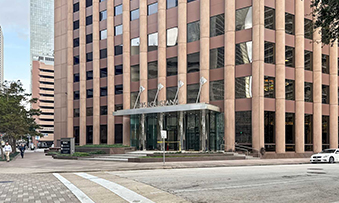
Houston
1415 Louisiana Street,
Suite 1800,
Houston, TX 77002

Jacksonville
841 Prudential Drive
12th Floor
Jacksonville, FL 32207

Contact Us
© Copyright 2026 Merritt & Merritt Law Firm. All rights reserved.