
call us 24/7 1-800-738-WE-WIN
call us 24/7 1-800-738-WE-WIN
Serving All of Georgia, Florida, & Texas
Car Insurance and Unlicensed Drivers: Coverage Guide

Table of Contents
- Does Car Insurance Cover Accidents by Unlicensed Drivers
- Someone Without a License Crashed My Car: What Happens Next
- Filing an Insurance Claim After an Unlicensed Driver Accident
- Uninsured Motorist Coverage for Unlicensed Driver Accidents
- What to Do After a Car Accident With an Unlicensed Driver
- How to Verify Your Policy Terms and Appeal a Denial
- Frequently Asked Questions
Last Updated: October 10, 2026
Does Car Insurance Cover Accidents by Unlicensed Drivers
Call the Merritt & Merritt Law Firm today at 404-975-1775. Offices in Atlanta, Savannah, Statesboro, and Houston.
When an unlicensed driver crashes your car, whether your unlicensed driver car insurance covers the accident depends on your policy language, whether you gave permission, and your coverage type. (Source: National Highway Traffic Safety Administration (NHTSA) data)
Most auto insurance policies cover accidents caused by an unlicensed driver if that person had your permission. However, insurers may deny claims if the driver was explicitly excluded or you cannot prove consent. Understanding your policy’s permissive use clause and covered drivers is essential.
How the Vehicle Owner’s Policy May Respond
Your car insurance policy typically covers accidents involving unlicensed drivers when they had permission to use the vehicle. Insurance companies focus on authorization, not license status. This distinction determines whether liability and collision coverage will respond.
Liability coverage protects you if the unlicensed driver injures others or damages their property, typically regardless of license status if they had permission. Collision coverage pays for damage to your own vehicle and usually extends to any driver with your consent, even without a valid license.
Your insurer will investigate whether you gave permission. Documentation of permission becomes important, especially if you lent your car knowing the driver was unlicensed.
Liability Coverage vs. Damage Coverage
Liability coverage pays for injuries and property damage the unlicensed driver causes to others. This coverage typically applies to any driver operating your vehicle with permission, regardless of license status, up to your policy limits.
Collision coverage pays for damage to your own vehicle regardless of who caused the accident or their license status, minus your deductible. This protection is optional.
Without collision coverage, your vehicle damage comes out of your pocket. With both coverages, your costs are limited to deductible amounts.
Someone Without a License Crashed My Car: What Happens Next
When an unlicensed driver causes an accident in your vehicle, the immediate steps you take influence your insurance claim and any legal action that follows. Understanding what happens next helps you protect yourself and strengthen your position with the insurance company.
Permission and Policy Language
Your insurance company’s first question will be whether you gave the unlicensed driver permission. Permissive use clauses cover drivers you authorize, even without a valid license. Your policy specifies which drivers are covered and what conditions apply.
Review your policy’s definition of “insured drivers” or “covered persons.” Many policies automatically cover any driver with owner permission, while others exclude certain household members. If your policy explicitly excludes the unlicensed driver, coverage may be denied.
Permission can be express (you directly authorized use) or implied (the driver reasonably believed you would consent). For example, if your teenage child regularly borrows the family car, implied permission may exist without explicit approval for each trip.
Excluded vs. Unlicensed Drivers
A critical distinction exists between a driver who is unlicensed and a driver who is excluded from your policy. These two situations produce different insurance outcomes.
An unlicensed driver has no valid license but is not specifically excluded from your policy. If you gave permission, coverage typically applies. Lack of a license does not automatically trigger denial if the driver had authorization.
An excluded driver is someone specifically removed from coverage to lower premiums. If an excluded driver causes an accident, your insurer will likely deny the claim, regardless of permission or license status.
Filing an Insurance Claim After an Unlicensed Driver Accident
Knowing how to file a claim after an unlicensed driver car insurance accident protects your interests and improves your chances of approval. The process involves immediate steps at the accident scene and documentation you gather afterward.
Steps to Take Immediately
The first moments after an accident are critical. Call emergency services if anyone is injured. Police will create an accident report, which documents the incident and may note the driver’s license status. Request a copy of this report for your insurance claim.
Gather information about the other vehicle, driver, and witnesses. Photograph vehicle damage, accident location, and road conditions. Get witness contact information. This documentation supports your claim.
Do not admit fault or discuss the accident in detail with the other driver. Stick to factual statements when speaking with police. Let your insurance company investigate the accident.
Contact your insurance company as soon as possible, ideally within 24 hours. Report the accident and provide basic information about what happened. Be honest about whether the driver had your permission to use the vehicle. Misrepresenting this fact can result in claim denial and potential fraud charges.
Documentation and Claim Denial
Your insurance company will request documentation to support your claim. Provide the police report, photographs, witness statements, and any medical records if injuries occurred. If the unlicensed driver was a household member or someone you know, provide evidence of permission if possible. Text messages, emails, or witness statements confirming you authorized the driver strengthen your claim.
Insurance companies sometimes deny claims involving unlicensed drivers. Common reasons for denial include:
Schedule a Free Consultation →
- The driver was explicitly excluded from the policy
- You cannot prove you gave permission for the driver to use the vehicle
- The policy language excludes unlicensed drivers (rare, but some policies include this)
- The driver was operating the vehicle illegally or for commercial purposes
If your claim is denied, you have options. Review the denial letter carefully to understand the specific reason. If you believe the denial is incorrect, contact your insurance company to appeal. Provide additional documentation if available. If the appeal fails, consider consulting an attorney about your next steps.
Uninsured Motorist Coverage for Unlicensed Driver Accidents
Uninsured motorist coverage protects you if an uninsured or underinsured driver causes an accident. This coverage applies when the at-fault driver lacks sufficient insurance to cover your damages. Understanding how this coverage works with unlicensed drivers helps you know what protection you have.
Uninsured motorist coverage pays for your medical expenses, lost wages, and pain and suffering if an uninsured driver injures you. Underinsured motorist coverage applies when the at-fault driver’s insurance limits are too low to cover your full damages. These coverages protect you from financial loss when the responsible party cannot pay.
An unlicensed driver may lack insurance coverage. If an unlicensed driver causes an accident and has no insurance, your uninsured motorist coverage may respond. This protection covers your losses up to your policy limits, regardless of the driver’s license status.
However, uninsured motorist coverage does not apply if you were the driver or if you were injured by someone operating your own vehicle. The coverage is designed to protect you from uninsured drivers on the road, not accidents involving your own car.
What to Do After a Car Accident With an Unlicensed Driver
Taking the right steps after an accident with an unlicensed driver protects your claim and your legal position. A structured approach ensures you preserve evidence and documentation needed to resolve the situation.
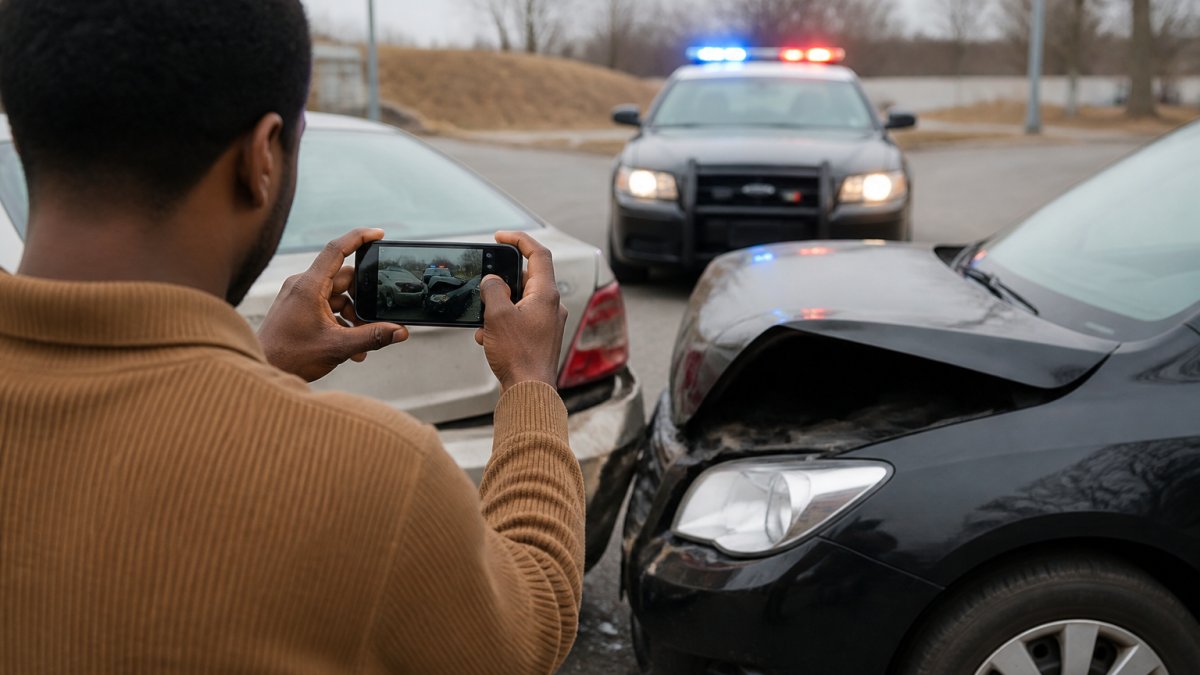
Practical Claims Checklist
Use this checklist to organize your response after an unlicensed driver accident:
Action | Timing | Purpose |
|---|---|---|
Call 911 if injured | Immediately | Emergency services and police report |
Document scene with photos | At scene | Evidence of damage and conditions |
Gather witness information | At scene | Support for your account of events |
Get police report number | At scene | Reference for insurance claim |
Contact insurance company | Within 24 hours | File claim and start investigation |
Provide permission documentation | Within 48 hours | Prove driver had your authorization |
Keep medical records | Ongoing | Document injuries and treatment |
Track lost wages | Ongoing | Document financial impact of accident |
Your Options if Coverage Is Denied
If your insurance company denies your claim, several options exist. First, request a written explanation of the denial. Insurance companies must provide specific reasons for denying coverage. Review your policy language to determine whether the denial is justified.
If you believe the denial is incorrect, file a formal appeal with your insurance company. Provide any additional documentation that supports your claim. Many denials are reversed on appeal when you submit evidence the company missed initially.
If the appeal fails, you can file a complaint with your state’s insurance commissioner. The commissioner’s office investigates complaints and can pressure insurers to reconsider denials. This process is free and may result in the claim being approved.
In some cases, hiring an attorney becomes necessary. An attorney can review your policy, evaluate the denial, and determine whether you have grounds for a lawsuit. If the insurance company acted in bad faith by wrongfully denying a valid claim, you may have legal remedies available.
How to Verify Your Policy Terms and Appeal a Denial
Understanding your policy terms before an accident prevents disputes later. Reviewing your coverage and knowing what your policy covers helps you navigate the claims process confidently.
Contact your insurance agent or company and request a detailed explanation of your coverage. Ask specifically about permissive use, excluded drivers, and how your policy handles accidents involving unlicensed drivers.
Review your policy document itself. Look for definitions of “insured drivers,” “permissive use,” and any exclusions that apply. Highlight relevant sections. If the policy language is unclear, ask your agent to explain it in plain language.
If a claim is denied, the denial letter must explain the specific policy language the company is relying on. Compare this language to what your agent told you about your coverage.
To appeal a denial, submit a written request to your insurance company’s claims department. Include a copy of the denial letter, your policy, and any new documentation that supports your claim.
If your insurance company denies your appeal, consider consulting with Merritt & Merritt Law Firm. Our team has over 45 years of experience and can evaluate whether your claim was wrongfully denied.
When an unlicensed driver causes an accident in your vehicle, your insurance coverage depends on whether you gave permission and what your policy actually says.
Frequently Asked Questions
Does car insurance cover an accident caused by an unlicensed driver?
Coverage depends on your policy language and whether the driver had permission to operate the vehicle. If an unlicensed driver with permission causes damage, your collision or comprehensive coverage typically applies to your vehicle. However, liability coverage may be denied if the driver was prohibited by your policy or state law. Review your policy exclusions and contact your insurer immediately after an accident to clarify what is and is not covered in your specific situation.
What should you do after a car accident with an unlicensed driver?
First, ensure safety and call police to file a report. Gather the driver’s information, take photos of vehicle damage and the accident scene, and document witness details. Contact your insurance company promptly and provide factual details without admitting fault. Keep records of all communications with your insurer. If coverage is disputed or denied, request the insurer’s reasoning in writing and consult a personal injury attorney to understand your options for compensation or appeal.
Can an unlicensed driver file an insurance claim after a crash?
An unlicensed driver cannot file a claim under the vehicle owner’s policy as the at-fault party. However, if the unlicensed driver was injured and the vehicle owner or another party was at fault, they may pursue a claim through the at-fault party’s liability coverage or their own uninsured motorist coverage if available. The injured unlicensed driver’s ability to recover damages depends on fault determination and applicable state law, making legal guidance essential.
What is uninsured motorist coverage and does it apply to unlicensed driver accidents?
Uninsured motorist coverage protects you if hit by a driver with no insurance. It may also cover unlicensed driver accidents depending on your policy terms. This coverage pays for medical expenses, lost wages, and pain and suffering when the at-fault driver cannot or will not pay. However, coverage limits and exclusions vary by policy. Check your declarations page to confirm your uninsured motorist limits and whether unlicensed drivers are explicitly addressed in your policy language.
Our Locations

Atlanta/Decatur
1 West Court Square
Suite 750
Decatur, GA 30030
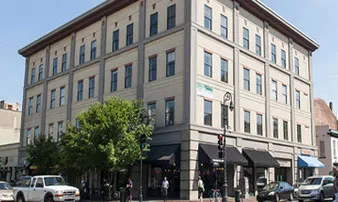
Savannah
100 Bull Street
Suite 200
Savannah, GA 31401
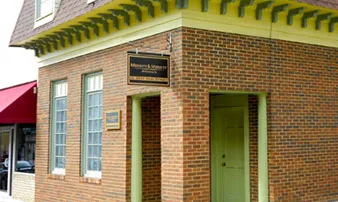
Statesboro
15 West Main Street
Statesboro, GA 30458
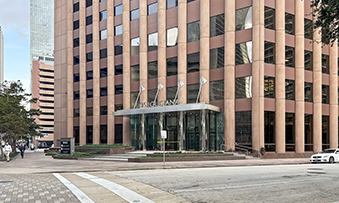
Houston
1415 Louisiana Street,
Suite 1800,
Houston, TX 77002
Jacksonville
841 Prudential Drive
12th Floor
Jacksonville, FL 32207

Contact Us
© Copyright 2026 Merritt & Merritt Law Firm. All rights reserved.