
call us 24/7 1-800-738-WE-WIN
call us 24/7 1-800-738-WE-WIN
Serving All of Georgia, Florida, & Texas
9 Steps to Take If You Cause a Crash Without Insurance
Last Updated: November 7, 2026
Quick Summary
If you are at fault without insurance, you are personally responsible for the other driver’s losses, which can include vehicle damage, medical bills and lost wages. The other driver may sue you, and a court judgment can lead to collection actions. Respond to claims and court papers on time, and consider talking with an attorney.
- Call the police, get medical care for anyone hurt, and collect the other driver’s details.
- Photograph the scene, vehicle damage, road conditions and any signs or signals.
- Keep every bill, receipt, repair estimate and letter about the crash.
- Ignoring a summons can lead to a default judgment and waive your defenses.
- License suspension rules vary by state, so check your state motor vehicle agency’s website.
Table of Contents
- What Being At Fault Without Insurance Means
- What to Do After an At-Fault Accident Without Insurance
- Who Pays for the Other Driver’s Vehicle Damage
- Medical Bills, Injuries and Lost Wages After the Crash
- Paying for Car Accident Damages Without Insurance
- How Long Your License Can Be Suspended
- What Happens If the Other Driver Sues You
- Your Next Step Toward Protecting Your Finances
- Frequently Asked Questions
Call the Merritt & Merritt Law Firm today at 404-975-1775. Offices in Atlanta, Savannah, Statesboro, and Houston.
Being at fault in a car accident without insurance is one of the most stressful situations a driver can face. If you caused a crash and have no policy, you may owe the other driver for vehicle damage, medical bills and lost wages, and the rules that apply depend on where you live. This guide walks through the steps that matter most when you are at fault without insurance.
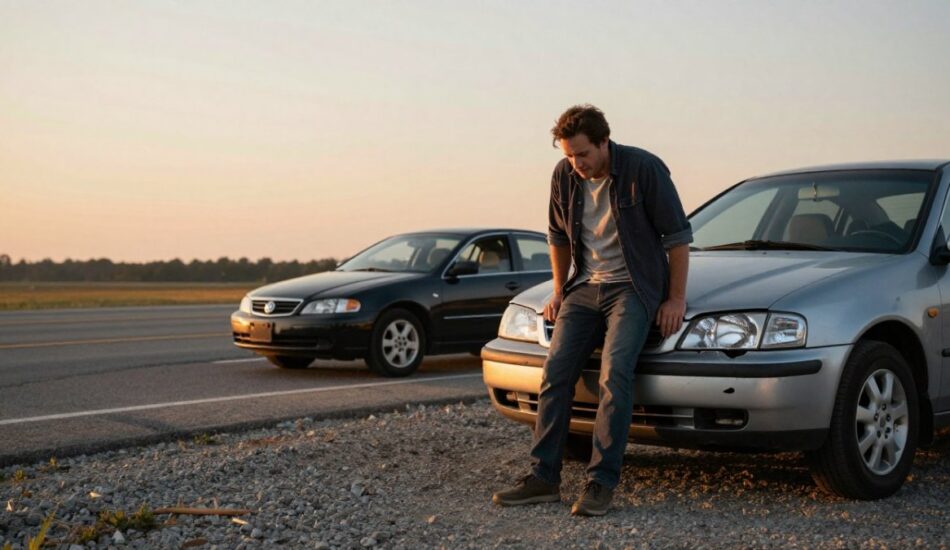
The first priority is safety and documentation. Check for injuries, call 911 if anyone needs medical care, and move vehicles out of traffic when it is safe to do so. Then exchange names, addresses, license numbers and contact details with the other driver, and take photos of the scene and both vehicles. Do not admit fault at the scene or sign anything you do not understand.
What Being At Fault Without Insurance Means
Being at fault means the crash was your responsibility under state negligence rules. Without a liability policy, nothing pays the other driver on your behalf. That leaves you personally responsible for the losses you caused, unless the other party agrees to a payment plan or settles for less.
Fault is usually decided by police reports, witness statements, photos and traffic citations. An insurer may still investigate fault even when no policy is in force for the at-fault driver. Some people also learn that a family member’s policy or a vehicle owner’s coverage may apply, so it is worth checking every possible source of coverage.
What to Do After an At-Fault Accident Without Insurance
Work through these steps in order:
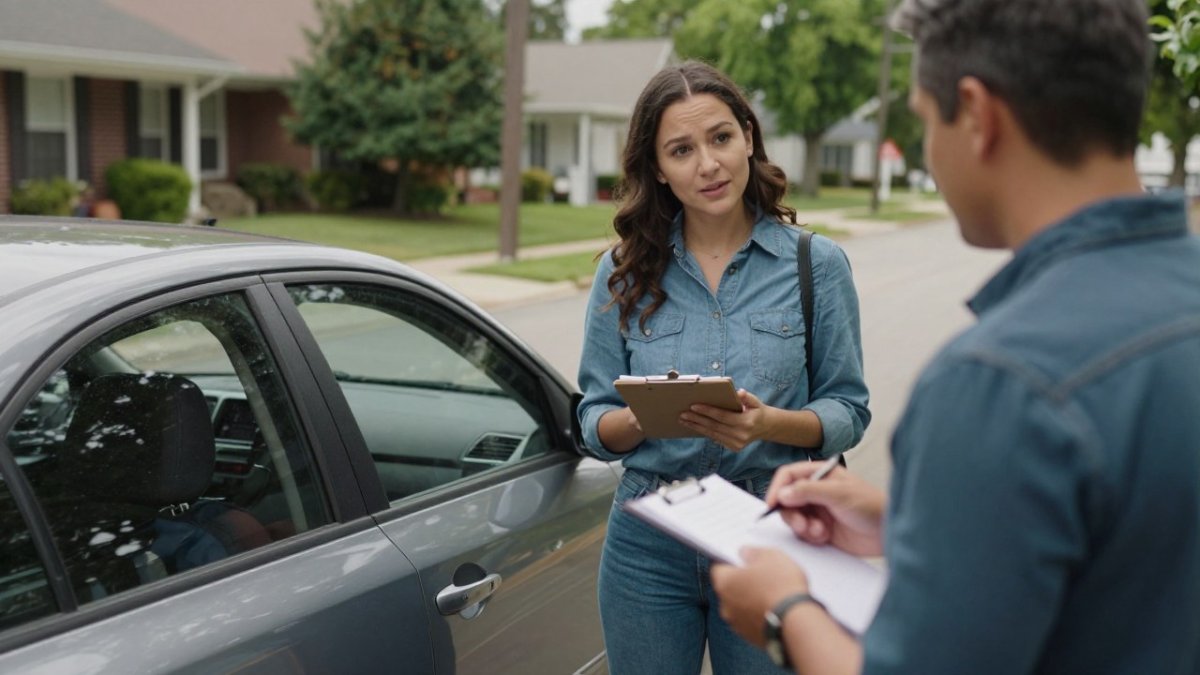
- Call the police and get a copy of the accident report
- Get medical care for anyone hurt, even if symptoms seem minor
- Collect the other driver’s information and witness names
- Photograph the scene, vehicle damage, road conditions and any signs or signals
- Write down your own account of what happened while memories are fresh
- Report the accident to your state’s motor vehicle agency if the law requires it
- Check whether any household member or vehicle owner has coverage that may apply
- Keep every bill, receipt, repair estimate and letter about the crash
- Talk with an attorney before agreeing to a payment plan or signing a release
Many drivers make the mistake of ignoring a claim letter. Respond on time, even if only to say you are reviewing the matter.
Who Pays for the Other Driver’s Vehicle Damage
When you are at fault and uninsured, you are generally responsible for the other driver’s vehicle repair or replacement costs. Learn more about owner liability and insurance coverage when someone else crashes your car. The other driver may:
- Ask you to pay directly for repairs
- File a small claims suit for the cost of damage
- Make a claim against their own collision coverage, which may then seek reimbursement from you
Get written repair estimates and keep them. Do not agree to a dollar amount until you know the full cost and what each side claims.
Medical Bills, Injuries and Lost Wages After the Crash
Injured people in an at-fault crash can seek compensation from the at-fault driver for medical bills, lost income and pain and suffering. Without insurance, that responsibility falls on you personally. Medical providers may bill you directly, and unpaid bills can lead to collection action.
Ask each provider for an itemized bill and keep records of missed work. Our guide explains how medical bills are handled while a claim or lawsuit is pending. A personal injury attorney can help you understand what the other driver may claim and whether a settlement is reasonable.
Paying for Car Accident Damages Without Insurance
Paying out of pocket is possible, but it can be difficult. Common options include:
- Negotiating a payment plan with the other driver
- Settling a claim for a lump sum you can afford
- Selling an asset or using savings, if you have them
- Asking an attorney about settlement negotiations
Never ignore a court summons. A default judgment can allow the other party to collect from your wages or bank accounts, depending on state law.
How Long Your License Can Be Suspended
License suspension is one of the most immediate consequences of an at-fault crash without insurance, but the length and terms depend entirely on state law. Most states tie suspension to two separate triggers: driving without required insurance and failing to show proof of financial responsibility after a crash. The first is often an administrative action by the state motor vehicle agency; the second can follow a court judgment or an unsatisfied claim.
Suspension periods, SR-22 requirements and related rules differ widely by state, and some states use cash deposits, bonds or “no-pay, no-play” rules that limit recovery. Check your state’s motor vehicle agency for the rules that apply to you.
Watch out: driving on a suspended license after an uninsured crash can escalate penalties, including vehicle impoundment and additional fines, and may convert a civil problem into a criminal one.
Reinstatement usually requires paying a reinstatement fee, providing proof of insurance, and sometimes completing a defensive driving course. Because the rules vary so widely, check your state motor vehicle agency’s website for the exact suspension period, reinstatement requirements, and whether an SR-22 is needed. If you receive a suspension notice, note the deadline to request a hearing, many states allow only a short window to challenge the action.
What Happens If the Other Driver Sues You
A lawsuit is the other driver’s formal path to a judgment, but a judgment is not a guarantee of payment. For an overview, see the Georgia personal injury lawsuit process from filing through trial. The process starts with a summons and complaint. You must respond by the deadline stated in the summons, or the court may enter a default judgment against you. Once a judgment is entered, the other party can pursue collection, but what they can collect depends on state exemption laws.
Common collection methods can include wage garnishment, bank account levies and liens on real property, and exemption rules for wages, homesteads and personal property vary by state. A judgment does not automatically mean the other driver gets paid; it gives them legal tools to try.
Watch out: ignoring a summons can lead to a default judgment and waive defenses you might have had, such as disputed fault or inflated damages.
If you receive court papers, consider talking with an attorney about whether you have defenses, whether the amount claimed is accurate, and whether bankruptcy or a negotiated settlement makes sense. You can also read whether pursuing a lawsuit over minor car accident injuries is worth it. A judgment can also have lasting consequences, so addressing it early may give you more options than waiting for collection efforts to begin.
Your Next Step Toward Protecting Your Finances
Being at fault without insurance is serious, but you do not have to face it alone. Merritt & Merritt Law Firm offers a free consultation, 24-hour service, and visits to your home, office or hospital. You only pay if we win, so you can get straight answers about your options without upfront legal fees. Contact us today to discuss your case and what steps to take next.
Frequently Asked Questions
What happens if I am at fault without insurance? You are personally responsible for the other driver’s damages, which may include vehicle repairs, medical bills and lost wages. The other driver may sue you, and a court judgment can lead to collection actions.
Can I be sued if I caused an accident without insurance? Yes. The other driver can file a lawsuit to recover their losses. Respond to any court papers on time to avoid a default judgment.
Will my license be suspended? It may be, depending on your state. Many states suspend licenses after at-fault accidents without required insurance, and reinstatement may require proof of financial responsibility.
Do I have to pay the other driver’s bills right away? Not necessarily, but ignoring bills and claims can make matters worse. Talk with an attorney about payment options and negotiation.
Should I talk to an attorney? Consider it, especially if injuries are involved or a lawsuit has been filed. Merritt & Merritt Law Firm offers a free consultation and works on a contingency basis, so you pay only if we win.
Frequently Asked Questions
Is it worth suing someone who has no insurance?
It depends on whether the at-fault driver has assets, income or property a court could reach to satisfy a judgment. A lawsuit can produce a court judgment even when the defendant has no insurance, but collecting on that judgment is a separate challenge. Wage garnishment, bank levies or liens may be possible in some cases, though the rules vary by state. Before filing or responding to a suit, speak with an attorney who can review the driver’s finances and the specific state procedures that apply.
Are you at fault just because you do not have insurance?
No. Lacking insurance does not establish fault for a crash. Fault is generally determined by who breached a duty of care, such as by running a red light, following too closely or failing to yield. Evidence like the police report, photographs, witness statements and vehicle damage patterns is used to make that determination. Insurance status affects how claims are paid, not who caused the accident.
Can your license be suspended after an accident without insurance?
Yes, many states can suspend a driver’s license or registration after an accident in which the driver lacked required insurance or financial responsibility. The length and conditions depend on the state and on whether the driver can show proof of coverage or settle the damages. Reinstatement often requires paying a fee and filing proof of insurance, sometimes for several years. Check your state’s Department of Motor Vehicles for the exact rules that apply to you.
What should you do immediately after an at-fault accident without insurance?
Stop, check for injuries and call 911 if anyone is hurt. Exchange names, contact details, driver’s license and plate numbers with the other driver. Take photographs of both vehicles, the scene and any visible damage. File a police report when required. Avoid admitting fault in writing, and notify an attorney before giving a recorded statement to any insurance adjuster.

Our Locations

Atlanta/Decatur
1 West Court Square
Suite 750
Decatur, GA 30030

Savannah
100 Bull Street
Suite 200
Savannah, GA 31401
Statesboro
15 West Main Street
Statesboro, GA 30458
Houston
1415 Louisiana Street,
Suite 1800,
Houston, TX 77002

Jacksonville
841 Prudential Drive
12th Floor
Jacksonville, FL 32207

Contact Us
© Copyright 2026 Merritt & Merritt Law Firm. All rights reserved.