
call us 24/7 1-800-738-WE-WIN
call us 24/7 1-800-738-WE-WIN
Serving All of Georgia, Florida, & Texas
Steps to Take If You Have No Insurance After an Accident
Table of Contents
- Immediate Actions at the Accident Scene
- What to Say to the Other Driver’s Insurance Company
- Understanding No-Pay No-Play Laws Explained
- Legal Consequences and Penalties for Driving Without Insurance by State
- Handling Property Damage and Liability Claims
- When to Seek Legal Representation
- Protecting Yourself Going Forward
Last Updated: August 10, 2026
Immediate Actions at the Accident Scene
The first 30 minutes after a car accident determine what evidence you’ll have and what legal options remain available. Your immediate actions establish the foundation for everything that follows, from insurance claims to potential legal proceedings.
Call the Merritt & Merritt Law Firm today at 404-975-1775.
Start by ensuring everyone’s safety. Move to a safe location if vehicles are drivable and traffic permits. Call 911 if anyone is injured, regardless of insurance status. A police report creates an official record that protects you legally, even when you’re at fault. Many people skip this step when uninsured, but the absence of a police report makes settlement negotiations harder and gives the other party more leverage.
Person standing at accident scene taking photos of vehicle damage with smartphone, with other vehicle visible and road markings in background, daytime lighting
Document everything immediately. Take photos and videos from multiple angles: vehicle damage, accident scene, road conditions, traffic signals, and any visible injuries. Photograph the other driver’s license plate, vehicle registration, and insurance information. Get the other driver’s name, phone number, and address. If witnesses are present, ask for their contact information before they leave, witness statements become critical if the case goes to court.
What you say at the accident scene matters enormously. Stick to factual statements: “I was traveling north on Main Street” or “The traffic light was red.” Do not apologize, admit fault, or speculate about what happened. Even “I’m sorry” can be interpreted as an admission of liability. If the situation feels unsafe, wait for police before engaging further.
Do not sign anything at the scene except for the police report. Decline politely if asked to sign statements. Do not accept cash settlements or agreements to handle the damage privately, these leave you with no legal protection if injuries emerge later or damage costs exceed what you agreed to pay.
What to Say to the Other Driver’s Insurance Company
The other driver’s insurance company will contact you, sometimes within hours. This conversation is adversarial, even if the adjuster sounds friendly. Their job is to minimize what they pay, and anything you say can be used against you.
When the insurance company calls, confirm you received their message and ask for their contact information in writing. Request time to review the incident and respond. Do not give a recorded statement immediately, you have the right to take time and ideally to have legal representation present.
If you speak with them, stick to basic facts: date, time, location, and a brief description of what happened. Avoid elaborating, speculating, or explaining your perspective on fault. Do not mention your insurance status unless directly asked, and if asked, be honest but brief: “I don’t currently have active coverage.”
Do not accept their initial settlement offer. Insurance adjusters often lead with lowball figures. Even if you’re uninsured and feel vulnerable, rushing into a settlement prevents you from understanding the full scope of damages. Property damage is straightforward, but bodily injury damages (medical bills, lost wages, pain and suffering) require time to assess.
At Merritt & Merritt Law Firm, we handle communication with insurance companies on behalf of our clients, removing the pressure and ensuring nothing you say is used against you later.
Understanding No-Pay No-Play Laws Explained
Many states have enacted no-pay no-play laws that restrict what uninsured drivers can recover in accidents. These laws exist in roughly half the country and create a significant legal disadvantage if you’re driving without insurance.
A no-pay no-play law prevents uninsured drivers from recovering damages for pain and suffering, even if the other driver was clearly at fault. You may still recover actual economic losses, medical bills, vehicle repair costs, lost wages, but the pain and suffering component, often the largest part of a settlement, is off the table. Some states bar uninsured drivers from recovery entirely unless the other driver was uninsured as well or had minimal coverage.
The policy behind these laws is straightforward: the state wants to incentivize insurance coverage. The impact is severe. A case where you’d normally recover $50,000 (including $30,000 in pain and suffering) might be capped at $20,000 in actual damages only.
State laws vary significantly. Some states apply no-pay no-play rules strictly; others have exceptions for hit-and-run accidents or clear, undisputed negligence. A few states don’t have these laws at all. If you’re in Georgia or Florida, you need to understand how your specific state’s statute applies to your situation.
An attorney familiar with your state’s no-pay no-play statutes can sometimes find exceptions or structure claims to maximize what you can recover despite being uninsured. Merritt & Merritt Law Firm understands how to navigate these restrictions effectively.
Legal Consequences and Penalties for Driving Without Insurance by State
Driving without insurance is illegal in every state, and the consequences escalate quickly. Penalties vary by state and depend on whether this is your first offense, whether you were in an accident, and whether you can show proof of insurance later.
Most states impose fines for driving uninsured, ranging from a few hundred dollars for a first offense to over $1,000 for repeat violations or accidents. Some states allow you to reduce or eliminate fines by obtaining insurance and providing proof to the court.
License suspension is the most serious consequence. Many states automatically suspend your driver’s license if you’re caught driving uninsured, especially if you were in an accident. Suspension periods vary from 30 days to six months or longer.
After an accident without insurance, many states require you to file an SR-22 form (or similar proof of financial responsibility) with the Department of Motor Vehicles. This form certifies that you now carry the minimum required insurance. You must maintain this coverage for a set period, typically three years. If your coverage lapses, your license is suspended again automatically.
Some states impose points on your driving record, affecting your insurance rates for years and potentially leading to license suspension if you accumulate too many points. In Georgia and Florida, penalties for driving without insurance are particularly strict, with substantial fines, license suspension, and financial responsibility requirements.
The long-term impact extends beyond immediate penalties. An uninsured driving conviction appears on your record and affects employment opportunities, housing applications, and insurance rates for years.
Handling Property Damage and Liability Claims
Property damage claims are the most straightforward part of an accident settlement. The other driver’s insurance company will obtain repair estimates for your vehicle. If the vehicle is totaled, they’ll offer the fair market value.
If you’re uninsured, you cannot file a claim with your own insurance company. You must negotiate directly with the other driver’s insurance company or pursue a civil lawsuit. This puts you at a disadvantage because you lack the negotiating power an insurance company provides.
Start by obtaining independent repair estimates. Do not rely solely on the estimate the insurance company provides. Get quotes from at least two reputable repair shops. Having independent estimates gives you leverage in negotiations.
Schedule a Free Consultation →
Document all out-of-pocket expenses related to the accident: rental car costs, transportation, temporary repairs, medical appointments. These are recoverable damages separate from vehicle repair. Keep receipts for everything.
The bigger challenge arises when property damage is minor but bodily injuries are serious. Insurance adjusters sometimes use minor property damage to argue that injuries couldn’t be significant. Counter this by obtaining comprehensive medical documentation: physician reports, imaging results, treatment plans, and expert opinions about injury severity.
Bodily injury liability claims require medical evidence. If you were injured, seek medical attention immediately and follow all treatment recommendations. Without medical evidence, you have no basis to claim pain and suffering damages.
In cases where the other driver’s liability is clear and your injuries are documented, Merritt & Merritt Law Firm can negotiate settlements that reflect the true value of your case.
When to Seek Legal Representation
The decision to hire an attorney should be made early, ideally before you’ve had extensive conversations with the other driver’s insurance company. The longer you negotiate alone, the more statements you may have made that limit your options later.
Attorney in professional office meeting with injured client, reviewing documents at desk with concerned but supportive demeanor, natural office lighting
You should seek legal representation immediately if any of these situations apply: the other driver disputes liability, you have significant injuries requiring ongoing treatment, the other driver’s insurance company is unresponsive or hostile, or you’re facing financial pressure to settle quickly. You should also consult an attorney if you’re uncertain about your state’s no-pay no-play laws or if you’ve been told your recovery is limited because you’re uninsured.
Most personal injury attorneys, including Merritt & Merritt Law Firm, work on contingency: you pay only if we win. This means there’s no financial barrier to getting representation.
An early consultation accomplishes several things. An attorney reviews the facts of your case and explains your realistic options. They assess whether your case has value and what you might reasonably expect to recover. They advise you on what to do next and what to avoid.
If the case proceeds to negotiation or litigation, an attorney handles all communication with the other party’s insurance company and legal team. This removes the pressure from you and ensures nothing you say is used against you. For cases involving serious injuries, significant property damage, or disputes over liability, legal representation is essential.
Protecting Yourself Going Forward
Once you’ve addressed the current situation, focus on preventing this from happening again and protecting yourself from future liability.
Obtain insurance immediately. Even if you’re facing financial constraints, carrying minimum liability coverage is non-negotiable. The cost of insurance is far less than the cost of being liable for another person’s damages. Many states offer low-cost insurance options for drivers with limited income.
When you apply for insurance after an uninsured driving incident, be honest about your history. Lying on an insurance application voids your coverage and exposes you to fraud charges. Insurers will discover the uninsured driving record anyway.
Expect higher premiums. After an uninsured driving conviction or accident, insurance companies classify you as high-risk. Your rates will be substantially higher than standard rates. This penalty typically lasts three to five years. As you build a clean driving record, rates gradually decrease.
If you’re facing an SR-22 requirement, comply fully. Maintain continuous coverage for the entire required period. Set up automatic payments to prevent lapses.
Rebuild your driving record by avoiding traffic violations, accidents, and any further insurance lapses. A clean record for three to five years demonstrates that the uninsured driving incident was an anomaly, not a pattern.
If you’re dealing with the aftermath of an accident without insurance, the situation is serious but manageable. The key is taking action immediately: document the scene, communicate carefully with the other party’s insurance company, understand your state’s legal restrictions, and seek legal guidance before you settle. At Merritt & Merritt Law Firm, we’ve helped accident victims navigate uninsured driving situations for over 45 years. We provide immediate case evaluation, investigate claims thoroughly, and handle all communication with insurance companies so you don’t have to. Our contingency fee structure means you pay only if we win. Schedule a Free Consultation today to discuss your case with an attorney who understands your situation and will fight for the compensation you deserve.
Situation | Action | Timeline |
|---|---|---|
At accident scene | Call 911, document everything, get other driver’s information | Immediately |
Insurance company contact | Request time, do not give recorded statement | Within 24 hours |
Medical treatment | Seek care and follow all recommendations | Within days |
Legal consultation | Contact an attorney before settling | Within 1-2 weeks |
Insurance application | Obtain coverage and provide proof to court | As required by state |
Ongoing compliance | Maintain insurance and comply with SR-22 | Until requirement ends |
According to National Highway Traffic Safety Administration (NHTSA) data, uninsured drivers are involved in a disproportionate number of accidents, and the legal consequences vary significantly by jurisdiction. Understanding your state’s specific requirements is critical to protecting yourself legally and financially.
Research from Insurance Information Institute shows that drivers without insurance face not only immediate fines and license suspension but also long-term increases in insurance costs once they obtain coverage.
For comprehensive guidance on your specific situation, the American Bar Association’s legal resources offers state-by-state information about driving without insurance laws and your rights as an accident victim.
Frequently Asked Questions
What are the immediate legal consequences of driving without insurance?
Driving without insurance is illegal in all states and carries serious consequences. You face criminal charges, license suspension, fines, and potential jail time. Beyond criminal penalties, you become personally liable for all damages and injuries you cause. The at-fault driver without insurance is responsible for paying medical bills, lost wages, property damage, and bodily injury claims out of pocket. In many states, you'll be required to file an SR-22 form to reinstate your license, which proves financial responsibility going forward.
Can I be sued if I cause an accident without insurance?
Yes, absolutely. If you cause an accident without insurance, the other driver can file a civil lawsuit against you for damages. They can sue for property damage to their vehicle, medical expenses, lost wages, pain and suffering, and other losses. A legal judgment against you means the court orders you to pay compensation. Since you lack insurance coverage, you're personally responsible for these costs, which can include wage garnishment and asset seizure. This is why having legal counsel is critical—an attorney can help negotiate settlements or defend you in court.
What happens if the other driver is at fault but I am uninsured?
If the other driver is at-fault and you're uninsured, you may still recover damages—but many states have no-pay no-play laws that restrict your ability to claim compensation for pain and suffering. You can typically still recover economic damages like medical bills and property damage through a small claims court or civil lawsuit against the at-fault driver. However, your recovery is limited compared to an insured driver's. The at-fault driver's insurance company may deny your claim outright or offer a reduced settlement. An attorney can help you navigate these limitations and maximize what you can recover.
How does a no-pay no-play law affect my accident claim?
No-pay no-play laws punish uninsured drivers by limiting their ability to recover non-economic damages like pain and suffering, even if they're not at-fault. Under these laws, you can still recover economic damages (medical bills, lost wages, property damage) but cannot claim compensation for pain, emotional distress, or inconvenience. Some states apply these laws only if you're the at-fault driver; others apply them regardless of fault. The specifics vary by state. In states with strict no-pay no-play rules, your recovery can be significantly lower than an insured driver's in the same accident.
Our Locations

Atlanta/Decatur
1 West Court Square
Suite 750
Decatur, GA 30030

Savannah
100 Bull Street
Suite 200
Savannah, GA 31401
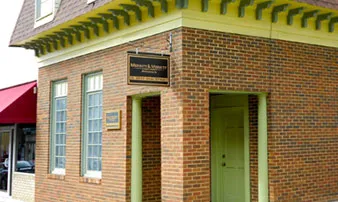
Statesboro
15 West Main Street
Statesboro, GA 30458
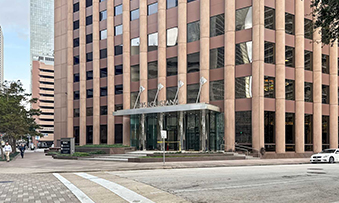
Houston
1415 Louisiana Street,
Suite 1800,
Houston, TX 77002

Jacksonville
841 Prudential Drive
12th Floor
Jacksonville, FL 32207

Contact Us
© Copyright 2026 Merritt & Merritt Law Firm. All rights reserved.