
call us 24/7 1-800-738-WE-WIN
call us 24/7 1-800-738-WE-WIN
Serving All of Georgia, Florida, & Texas
Car Accident Fault Determination Rules NSW: Who’s at Fault?
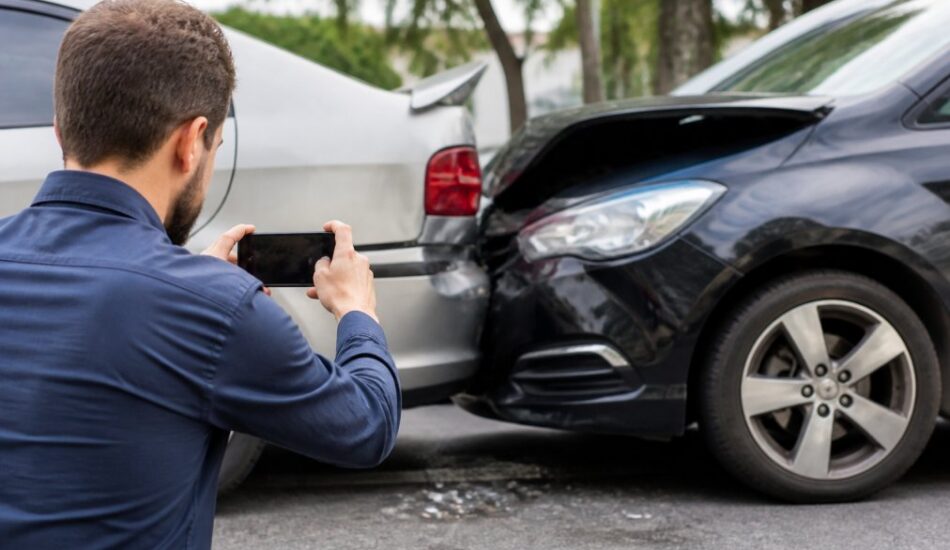
Table of Contents
- How Fault Determination Rules Work
- Who Does the Law Say Is at Fault?
- The Role of the Police Report in Determining Fault
- Evidence Needed for Car Accident Insurance Claim
- How Insurance Adjusters Calculate Liability
- Understanding Comparative Negligence Laws
- Common Mistakes That Hurt Your Claim
- Get a Free Case Evaluation
- Frequently Asked Questions
Last Updated: September 5, 2026
How Fault Determination Rules Work
Fault determination rules are the legal standards used to decide who caused a motor vehicle accident and who bears financial responsibility for the damage. These rules are about liability, not moral blame.
Call the Merritt & Merritt Law Firm today at 404-975-1775. Offices in Atlanta, Savannah, Statesboro, and Houston.
Investigators and insurers examine driver conduct against the road rules to establish a breach of duty, such as speeding or ignoring a give-way sign. When one driver clearly violates a traffic regulation and causes a collision, fault usually points to that driver.
Most cases are not that simple. Both drivers may share responsibility, or the sequence of events may be unclear, requiring a more detailed analysis of driver behaviour and the accident scene.
Who Does the Law Say Is at Fault?
The law presumes fault rests with the driver who breached the road rules and whose actions directly caused the collision. There must be a clear link between the breach of duty and the resulting damages. A driver who runs a red light and hits another vehicle is almost always at fault.
Fault is not always assigned to a single party. In many collisions, both drivers contribute, and liability is apportioned based on the degree each driver’s conduct contributed to the accident.
The legal concept of comparative negligence laws governs this division. Under this framework, a driver who is 30% at fault may only recover 70% of their damages. A driver found to be more than 50% at fault may be barred from recovering anything at all (law.cornell.edu). This makes the initial fault determination a high-stakes exercise.
The Role of the Police Report in Determining Fault
A police report carries significant weight because it provides an official, contemporaneous record of the accident scene. Officers document vehicle positions, visible damage, witness statements, and sometimes their own observations about who breached the road rules.
A police report is not the final word on liability. Officers report what they observed; they do not make legal determinations of fault. The report can contain errors, so review it carefully for accuracy.
If the report contains mistakes about your vehicle’s position or the sequence of events, you have the right to request a correction. Preserve your own evidence to support your version of events.
Evidence Needed for Car Accident Insurance Claim
Strong evidence is the foundation of any successful insurance claim, and gathering it promptly can determine how adjusters calculate liability. Evidence goes beyond the police report to include photographs of the damage, vehicle positions, and the surrounding area, including traffic signs or signals.
Independent witnesses can provide an unbiased account of driver behaviour; collect their contact information and a brief statement at the scene if possible. Digital evidence, such as dashcam footage or event data recorder data, can be decisive in a “he said, she said” dispute.
Preserving evidence is as important as collecting it. Vehicle repairs can destroy proof of impact points, and memories fade. Document everything promptly, keep records of medical treatment, and avoid posting details on social media, as insurers may monitor public posts.
The Modern Evidence Checklist: Beyond Photos and Statements
Most guides stop at “take photos and get witness names.” That advice is outdated. In 2026, the most persuasive evidence is often digital and comes with its own preservation rules.
1. Dashcam Footage: The Metadata Matters
A video file alone is not enough. Insurers and courts will scrutinize the file’s metadata, embedded data recording the creation date, time, and device used, to verify it has not been edited.
- Do not open and re-save the file in editing software, as this strips the original metadata.
- Copy the file from the SD card to a computer or cloud drive immediately. Do not record over the original card.
- Keep the original SD card untouched. Do not format it, even after you think you have backed up the footage.
- If your dashcam has a GPS module, the footage will include your speed and location. This data can independently corroborate or contradict a driver’s claim about their speed or position.
2. Telematics and Event Data Recorders (EDR)
Most vehicles manufactured after 2014 are equipped with an EDR, commonly known as a “black box (nhtsa.gov).” This device records data from the seconds before a crash, including:
- Vehicle speed
- Throttle position
- Brake application (or lack thereof)
- Steering angle
- Seatbelt status
This data is not accessible via the OBD-II port; it requires specialized diagnostic equipment. If you believe the other driver braked suddenly or was speeding, request that your insurer or the other party’s insurer preserve the EDR data. This is time-sensitive, as the data can be overwritten after a certain number of ignition cycles.
3. Cloud-Stored Telematics and Mobile App Data
If you use a driving app (e.g., a usage-based insurance app, Google Maps timeline, or a fleet tracking app), that data is often stored in the cloud and timestamped, providing an independent record of your route, stops, and speed. Download and screenshot this data promptly, as providers may not retain it indefinitely.
4. Photographing the Scene: A Systematic Approach
Do not just take a few wide shots. Create a visual record that an accident reconstructionist can use later:
- Start wide: Take four photos from each corner of the intersection, showing the full layout and traffic controls.
- Mid-range: Photograph the final resting positions of both vehicles from multiple angles, including a direct overhead shot if possible (stand on a curb or overpass).
- Close-up: Capture impact points, skid marks, debris fields, and any vehicle damage. Use a common object (e.g., a coin or a tire) for scale.
- Traffic signals: If the light changed, photograph the signal head. If you have a time-stamped photo of the signal, it can be cross-referenced with the timing patterns of the local traffic authority.
Evidence Type | What It Shows | Why It Matters | Preservation Action |
|---|---|---|---|
Photos & Video | Vehicle damage, scene layout | Establishes impact points and road conditions | Back up to cloud immediately; do not edit originals |
Witness Statements | Independent account of the crash | Corroborates your version of events | Record a voice memo on your phone at the scene |
Police Report | Official record of the incident | High credibility with insurers | Review for errors; request a correction if needed |
Dashcam Footage | Real-time driver behaviour | Can resolve disputed liability | Preserve original SD card; copy file without editing |
EDR / Telematics Data | Vehicle speed, braking, steering | Objective data from the seconds before impact | Request preservation immediately; data can be overwritten |
This level of detail separates a claim that is paid quickly from one that is disputed for months. When you present a structured, metadata-verified evidence file, you signal that your claim is serious and well-documented, which often discourages adjusters from pursuing a lowball settlement strategy.
How Insurance Adjusters Calculate Liability
Insurance adjusters calculate liability by weighing the evidence against what a reasonable driver would have done. They review the police report, examine damage patterns, and consider statements from both drivers and witnesses to assign a percentage of fault to each party.
Adjusters are trained to protect their company’s bottom line. They look for any action by you that could shift blame, such as speeding or following too closely. Even a small percentage of shared fault can reduce your compensation.
This is where an experienced attorney can make a measurable difference. At Merritt & Merritt Law Firm, our team understands how adjusters build their cases and where they look for weaknesses. We push back against unfair apportionment of fault and work to ensure the evidence is interpreted in your favour.
Understanding Comparative Negligence Laws
Comparative negligence laws allow fault to be shared between multiple parties. Instead of an all-or-nothing outcome, the court or insurer determines a percentage of fault for each driver, which directly affects the damages each party can recover.
Schedule a Free Consultation →
The system works on a sliding scale. If you are 20% at fault, your compensation is reduced by 20%. A driver who is 80% at fault can still recover 20% of their damages. However, if you are primarily responsible, you may lose the right to claim compensation for personal injury entirely.
Navigating shared liability requires careful presentation of evidence. You need to show that the other driver’s breach of duty was the dominant cause of the accident, not your own actions. This often involves reconstructing the accident scene and consulting with accident reconstruction experts.
Common Mistakes That Hurt Your Claim
Several common mistakes can weaken your position before you even file a claim. The most damaging is admitting fault at the scene, even a casual “sorry” can be recorded and used against you later. Wait for police and insurance investigators to complete their analysis before making any statements about responsibility.
Another frequent error is failing to seek medical attention. Even if you feel fine, injuries like whiplash can take days to appear. A delay in treatment危endangers your health and gives insurers a reason to argue your injuries are not serious or were not caused by the accident (peer-reviewed research).
Finally, accepting the first settlement offer is often a costly mistake. Initial offers are typically low and designed to close the claim quickly. They rarely account for future medical expenses or the full extent of your pain and suffering.
The Critical Mistake: Not Knowing How to Challenge a Fault Decision
The most expensive mistake is not the one you make at the scene, it is the one you make after the insurer sends you a letter saying you are 100% at fault. Many drivers accept this because they do not know there is a formal, structured process to challenge it.
Step 1: Understand What You Are Challenging
The insurer’s fault determination is not a court judgment. It is an internal business decision based on the adjuster’s interpretation of the evidence. You are challenging a claims-handling decision, not a legal ruling, which means the insurer has internal review procedures you can trigger.
Step 2: Request an Internal Review
Your first formal step is to request an internal review from the insurer’s claims department. This is not a phone call to your adjuster. It is a written request, sent via email or certified mail, asking the insurer to re-examine its liability decision. In your request, you must:
- State clearly that you dispute the fault determination.
- Identify the specific evidence you believe was misinterpreted or overlooked (e.g., dashcam footage, witness statements, or the police report).
- Attach any new evidence you have obtained since the initial determination.
- Request a written response within a specific timeframe (typically 14-21 days).
Insurers have internal dispute resolution teams separate from claims adjusters. These teams are often more receptive to a well-structured argument backed by new evidence.
Step 3: Escalate to a relevant consumer protection agency or ombudsman service
If the internal review upholds the original decision, or if the insurer fails to respond within 30 days, your next step is to lodge a complaint with a relevant consumer protection agency or ombudsman service that resolves disputes between consumers and financial services providers, including insurance companies.
Key facts about this process:
- Cost: Often free for consumers.
- Timeframe: You must lodge your complaint within a specified period of the insurer’s final decision.
- What the agency can do: The agency may have the power to make a binding decision on the insurer. If the agency finds the insurer’s fault determination was incorrect, it can order the insurer to change the liability apportionment and pay your claim accordingly.
- The Process: The agency will first attempt conciliation. If that fails, an adjudicator will review the evidence and issue a determination. The insurer may be bound by this determination; you may not be. If you disagree with the outcome, you can still pursue the matter in court.
Step 4: The Court Option
For disputes involving significant damages, the final recourse is the court system. This means filing a claim in the appropriate court for your jurisdiction. A magistrate or judge will review the evidence and make a formal legal determination of fault. This is a lengthy and costly process, reserved for cases where the financial stakes justify the expense.
A Practical Checklist for Challenging a Fault Decision:
- Do not sign any document that acknowledges fault.
- Request a written explanation of the insurer’s fault determination.
- Gather all evidence that supports your version of events.
- Submit a formal written request for an internal review.
- Track the insurer’s response time. If they exceed 30 days, escalate.
- Lodge a complaint with a relevant consumer protection agency or ombudsman service if the internal review is unsuccessful.
- Consult an attorney before pursuing court action to assess the cost-benefit.
Understanding this process is about leveling the playing field. Insurers rely on the fact that most policyholders do not know how to challenge their decisions. By knowing the steps, you transform from a passive claimant into an informed consumer who can hold the insurer accountable.
Get a Free Case Evaluation
Determining fault after a car accident is a complex process with high stakes. A single percentage point of shared fault can mean thousands of dollars in lost compensation. You need a legal team that understands the fault determination rules and knows how to build a case that protects your interests.
The attorneys at Merritt & Merritt Law Firm bring over 45 years of trial experience to every case. We offer 24-hour service and can visit you at home, in the office, or in the hospital. You pay nothing unless we win, which means we are fully invested in securing the best possible outcome for you.
If you have questions about your accident or are facing a disputed liability claim, do not wait. Contact us to schedule a free consultation and get a clear, realistic assessment of your case. Let us put our experience to work for you.
Frequently Asked Questions
Does a police report automatically determine fault in an accident?
No. A police report is important evidence, but it does not automatically determine fault. Insurance companies and courts use the report as one piece of the puzzle. They also review photos, witness statements, and traffic regulations. If the police report contains errors, you can dispute it with the relevant authority and provide your own evidence to the insurer.
What is the difference between comparative and contributory negligence?
Under comparative negligence laws, fault is shared. Each party pays damages proportional to their share of fault. If you are 20% at fault, your compensation is reduced by 20%. Contributory negligence is a harsher rule where any fault on your part can bar recovery entirely. This jurisdiction uses a form of comparative negligence.
What evidence is needed to prove the other driver was at fault?
Key evidence includes photos of the accident scene and vehicle damage, dashcam footage, witness statements, and the police report. Your own account of driver behaviour matters too. Document road conditions and traffic light signals. This evidence helps establish a breach of duty and causation. The more evidence you gather, the stronger your claim.
How do insurance companies determine who is at fault in a car accident?
Insurance adjusters investigate the accident to determine liability. They review the police report, assess vehicle damage, and speak with witnesses. They also consider traffic regulations and driver behaviour to establish a duty of care. Adjusters use this information to calculate liability and decide how much each party’s insurance should pay for damages.
What happens if both drivers share fault for the accident?
In shared liability scenarios, fault is apportioned between both drivers. For example, if one driver was speeding and the other failed to signal, each may be found partially at fault. Your compensation for personal injury and property damage is reduced by your percentage of fault. The insurer will explain how they calculated your share.
What should I do immediately after a car accident to protect my claim?
First, check for injuries and call emergency services. Exchange details with the other driver. Gather evidence at the accident scene, including photos of damage and road conditions. Get witness contact information. Report the accident to the police if required. Notify your insurer, but avoid giving a recorded statement until you understand your rights and the claims process.
Our Locations

Atlanta/Decatur
1 West Court Square
Suite 750
Decatur, GA 30030

Savannah
100 Bull Street
Suite 200
Savannah, GA 31401
Statesboro
15 West Main Street
Statesboro, GA 30458
Houston
1415 Louisiana Street,
Suite 1800,
Houston, TX 77002

Jacksonville
841 Prudential Drive
12th Floor
Jacksonville, FL 32207

Contact Us
© Copyright 2026 Merritt & Merritt Law Firm. All rights reserved.