
call us 24/7 1-800-738-WE-WIN
call us 24/7 1-800-738-WE-WIN
Serving All of Georgia, Florida, & Texas
Pedestrian vs Bicycle Accident Legal Claims (2026)
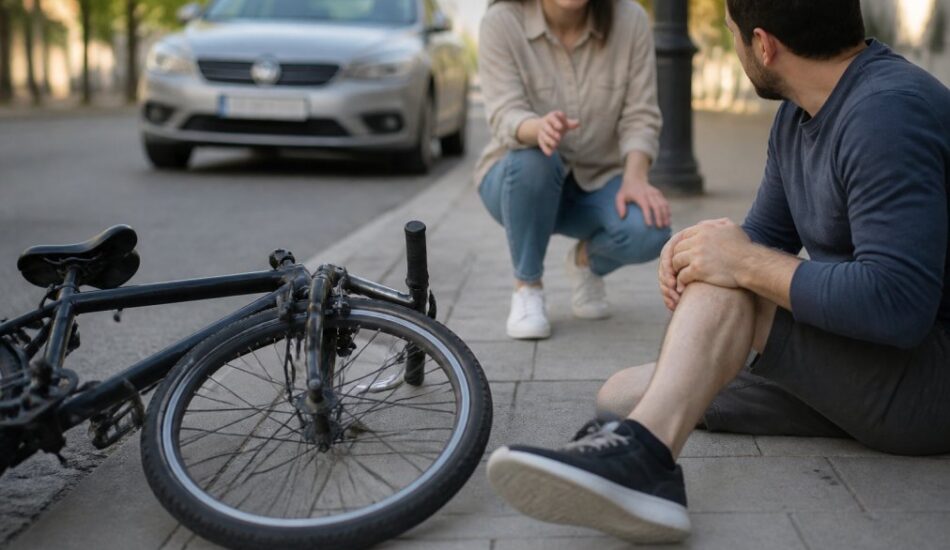
Table of Contents
- Pedestrian vs Bicycle Accident Legal Claims: Side-by-Side Comparison
- Georgia Comparative Negligence Laws in Pedestrian and Bicycle Cases
- The Bicycle Accident Settlement Process: From Claim to Resolution
- Pedestrian Accident Injury Compensation: What You Can Recover
- Evidence Collection and Municipal Liability in Non-Motorized Accidents
- When to Hire Legal Representation for Pedestrian or Bicycle Claims
- Frequently Asked Questions
Last Updated: September 10, 2026
Pedestrian vs Bicycle Accident Legal Claims: Side-by-Side Comparison
Pedestrian bicycle accident claims follow different liability paths, insurance rules, and evidence standards even when the injuries look similar. The core difference: a pedestrian struck by a vehicle usually has no independent duty to yield outside marked crossings, while a cyclist is treated as a vehicle operator who must follow traffic law. That single distinction reshapes every pedestrian bicycle accident claim from the first police report to the final settlement. This guide from Merritt & Merritt Law Firm breaks down how liability, damages, and timelines diverge between the two. Below, we show exactly where each type of claim wins or loses ground.

How Liability and Insurance Coverage Differ
Liability turns on duty of care. Drivers owe pedestrians and cyclists a heightened duty to avoid harm, but cyclists carry reciprocal obligations pedestrians do not. A cyclist who runs a red light or rides against traffic can be assigned fault; a pedestrian jaywalking may share fault too, but the analysis is narrower.
Insurance coverage adds a second layer. A pedestrian struck by a car typically claims against the driver’s bodily injury liability policy and their own uninsured/underinsured motorist coverage. A cyclist has the same options, plus potential coverage disputes over whether the bike or the rider is the “insured.” Many policies treat bicycles inconsistently, which is why state insurance department guidance on UM/UIM coverage matters. A common mistake is assuming the at-fault driver’s policy is the only source of recovery.
| Factor | Pedestrian Claim | Bicycle Claim |
|---|---|---|
| Duty of care | Driver yields; pedestrian rules limited | Cyclist must follow vehicle traffic law |
| Primary coverage | Driver’s liability + UM/UIM | Driver’s liability + UM/UIM + policy disputes |
| Fault exposure | Lower unless jaywalking | Higher; traffic violations count |
| Evidence focus | Crosswalk, signal timing | Bike lane, lane position, speed |
Georgia Comparative Negligence Laws in Pedestrian and Bicycle Cases
Georgia comparative negligence laws apply to both pedestrian and bicycle claims, but they hit cyclists harder in practice. Under Georgia’s modified comparative fault rule, a claimant who is 50% or more at fault recovers nothing, and any award is reduced by their share of fault. Because cyclists are held to vehicle-operator standards, a minor traffic violation can push fault toward the 50% threshold faster than in a pedestrian case. The rule is codified in Georgia’s tort statutes; confirm current language through the Official Code of Georgia Annotated before relying on any figure.
Signing a recorded statement before an attorney reviews fault allocation can lock in admissions that push you to or past the 50% bar in Georgia. Once that statement exists, it is difficult to walk back.
Why Shared Path and Right-of-Way Rules Matter
Right of way decides most of these cases. At a marked crosswalk, the pedestrian generally has the right of way; a cyclist on a shared path or in a bike lane has right of way only where signs or markings grant it. Shared path collisions between a cyclist and a pedestrian raise a third question: who yields to whom? Local ordinances and trail rules often answer it, and they vary by jurisdiction. What most guides miss is that right-of-way is not absolute. Even a pedestrian with the right of way can share fault if they stepped out suddenly. Document the exact location, signage, and signal state immediately.
The Bicycle Accident Settlement Process: From Claim to Resolution
The bicycle accident settlement process moves through five stages: investigation, demand, negotiation, litigation, and resolution. Most claims resolve before trial, but the path diverges sharply depending on whether a motor vehicle was involved. A bicycle-car claim runs through the driver’s bodily injury liability policy and the rider’s uninsured/underinsured motorist coverage. A bicycle-pedestrian claim, a cyclist striking someone on a sidewalk, crosswalk, or shared path, usually has no auto policy to tap at all, which is the single biggest blind spot in most guides on this topic.
When No Car Is Involved: Coverage for Bicycle-Pedestrian Collisions
When a cyclist injures a pedestrian and no motor vehicle is part of the crash, the claim typically shifts to the cyclist’s homeowner’s or renter’s insurance. Most homeowner’s policies include personal liability coverage that follows the insured away from the home, and many renters’ policies do the same. That means the pedestrian’s demand letter may go to a homeowners insurer rather than an auto adjuster, a different claims culture, different adjusters, and different settlement authority.
Three practical consequences follow:
- Coverage limits are often lower. A standard homeowner’s liability limit may be far below the auto liability limits a pedestrian would face in a car crash, so underinsured motorist coverage on the pedestrian’s own auto policy can become the backstop, but only if the pedestrian owns a vehicle and carries UM/UIM.
- Exclusions matter. Homeowner’s policies frequently exclude injuries arising from the use of a motor vehicle, and insurers sometimes argue a bicycle fits that exclusion. The counterargument is that a bicycle is not a motor vehicle, but the dispute itself can delay resolution.
- The cyclist may be uninsured entirely. A rider with no homeowner’s or renter’s policy, or a rider whose policy excludes the conduct, leaves the pedestrian pursuing the cyclist personally, which is why documenting the cyclist’s identity and insurance status at the scene matters as much as documenting a driver’s.
A common mistake is assuming the at-fault party’s auto policy is the only source of recovery. In bicycle-pedestrian cases, it often is not a source at all.
The Five Stages, With Bicycle-Specific Friction
| Stage | What Happens | Typical Duration |
|---|---|---|
| Investigation | Police report, witness statements, medical records, bike and gear inspection | 2-8 weeks |
| Demand | Written demand to the correct insurer, auto, homeowner’s, renter’s, or municipal | 1-3 weeks |
| Negotiation | Back-and-forth on value and on which policy responds | 1-6 months |
| Litigation | Filing suit if talks stall or coverage is disputed | 6-18 months |
| Resolution | Settlement or verdict | Varies |
Cyclists face earlier resistance from adjusters who argue the rider “should have been more visible” or was riding outside a designated lane. Expect the adjuster to request medical records, a bike inspection, and a recorded statement. A frequent mistake is giving that statement before an attorney has reviewed the fault picture, especially in a bicycle-pedestrian case, where the cyclist’s own statements can be used by the pedestrian’s insurer and vice versa.
Do not accept a first offer. Initial offers are routinely lower than case value, and a settlement negotiation that starts with a documented demand anchors the number higher. In bicycle-pedestrian claims, the coverage question often caps the realistic recovery before fault is even debated, so identify every potentially responsible policy, the cyclist’s homeowner’s or renter’s insurer, the pedestrian’s own UM/UIM carrier, and any municipal entity that owns the path, before you put a number on the demand.
Send a written preservation letter to every potential insurer and property owner within days of the crash. It puts them on notice to retain camera footage, maintenance records, and incident reports that would otherwise be deleted or archived.
state insurance department guidance on homeowner’s and renter’s liability coverage
Pedestrian Accident Injury Compensation: What You Can Recover
Pedestrian accident injury compensation covers economic and non-economic damages. Economic damages include medical bills, future care, and lost wages. Non-economic damages include pain and suffering and, in the most serious cases, wrongful death claims brought by surviving family. A pedestrian hit at low speed can still suffer a severe injury; the vehicle’s weight, not its speed, often drives the outcome.
Recoverable categories typically include:
- Medical expenses: emergency care, surgery, rehabilitation, long-term care
- Lost wages and loss of earning capacity: past and future income
- Pain and suffering: physical and emotional harm
- Out-of-pocket costs: transportation, home modifications, assistive devices
How Recovery Differs When the Striking Vehicle Is a Bicycle
When a pedestrian is struck by a bicycle rather than a car, the damage categories are the same but the recovery mechanics change. The at-fault party is usually an individual cyclist, not a driver backed by a commercial auto policy, so the practical question becomes whether the cyclist carries homeowner’s or renter’s liability coverage, and whether that coverage limit is high enough to cover a serious injury. A pedestrian with uninsured/underinsured motorist coverage on their own auto policy may be able to tap it, but only if the policy language and state law treat a bicycle as an uninsured motor vehicle. That is a jurisdiction-by-jurisdiction question, and it is the single most important coverage issue in a bicycle-pedestrian injury claim.
Schedule a Free Consultation →
A second difference is proof of impact. In a car-pedestrian case, the vehicle’s damage, paint transfer, and event data recorder can corroborate the collision. In a bicycle-pedestrian case, there is often no vehicle damage to photograph and no data recorder, so the medical record, witness statements, and any available camera footage carry more weight. Document the injury mechanism in the medical record as precisely as possible, the treating provider’s notes about how the impact occurred can become the strongest evidence in the file.
Documentation That Moves the Number
Proving these damages requires documentation, and the quality of that documentation is what separates a full recovery from an undervalued settlement. Keep every bill, pay stub, and treatment record. For lost earning capacity, a vocational expert or economist may be needed to translate a permanent limitation into a dollar figure. Insurers dispute non-economic damages most aggressively, so a clear, uninterrupted treatment history strengthens the claim, gaps in treatment are routinely used to argue the injury was minor or resolved.
A common mistake is waiting to document. Witness contact information, camera footage, and the condition of the scene degrade quickly. In a bicycle-pedestrian case, where there may be no police report and no insurance adjuster assigned, the pedestrian’s own documentation is often the only contemporaneous record of what happened.
Signing a recorded statement before an attorney reviews fault allocation and coverage can lock in admissions that reduce or eliminate recovery. Once that statement exists, it is difficult to walk back.
state insurance department guidance on uninsured/underinsured motorist coverage
Evidence Collection and Municipal Liability in Non-Motorized Accidents
Evidence collection for non-motorized accidents often decides the case, and it is where most victims lose ground. There is no vehicle damage to photograph, so the physical record is thinner. Preserve the scene: signal timing, crosswalk paint, trail signage, lighting, and road or path condition. Get contact information for every witness. Request the police report and any traffic camera footage before it is overwritten.
Municipal liability is the angle almost no one covers. When a broken sidewalk, missing crosswalk signal, or poorly maintained bike lane contributes to the crash, the city or county may share responsibility. These claims carry short notice deadlines and procedural hurdles distinct from a private claim. A common mistake is missing the notice window entirely. If a government entity owns the road, trail, or signal, treat the deadline as urgent and verify it with the entity’s own published rules.
Send a written preservation letter to the municipality and any private property owner within days of the crash. It puts them on notice to retain camera footage and maintenance records that would otherwise be deleted or archived.
When to Hire Legal Representation for Pedestrian or Bicycle Claims
Hire legal representation when fault is disputed, injuries are serious, or a government entity is involved. Those three conditions cover most claims that go sideways. Insurers handle routine, low-value claims quickly; they resist anything with contested liability or long-term care costs.
Merritt & Merritt Law Firm brings over 45 years of trial experience to injury claims, offers 24-hour service, and can meet clients at home, in the office, or at the hospital. The firm works on a contingency fee, so you pay only if they win. For a claim involving municipal liability, disputed comparative fault, or a catastrophic injury, an early case evaluation protects the evidence and the deadlines that decide the outcome. Schedule a free consultation before talking to an adjuster again.
Pedestrian bicycle accident claims look alike on paper but diverge sharply in liability, insurance, and evidence demands. Getting those details right early is what separates a fair recovery from an undervalued settlement. Merritt & Merritt Law Firm offers immediate case evaluation, investigation of claims to hold liable parties responsible, and clear, realistic expectations from the first conversation, all on a contingency fee where you pay only if we win. Get started with Merritt & Merritt Law Firm and secure the compensation your case deserves.
Frequently Asked Questions
How does comparative negligence affect pedestrian and bicycle accident claims in Georgia?
Georgia follows a modified comparative negligence rule. If you are less than 50% at fault, you can recover damages reduced by your share of fault. If you are 50% or more at fault, you recover nothing. This applies to both pedestrian and bicycle accident legal claims, but the specific facts, like jaywalking or riding against traffic, can change the fault percentage.
What are the primary differences in proving liability for a pedestrian versus a cyclist?
Pedestrians are generally owed a duty of care by drivers to yield when in crosswalks or intersections. Cyclists are often treated as vehicle operators, so they must follow traffic laws like riding with traffic and signaling. Proving liability for a cyclist may require showing the driver violated a specific traffic law, while pedestrian cases often focus on the driver’s failure to yield.
Do insurance policies cover bicycle accidents differently than pedestrian accidents?
Yes. Pedestrian accidents are typically covered by the driver’s liability insurance and your own uninsured/underinsured motorist coverage. Bicycle accidents may also involve your auto insurance if the car caused the crash, but if no car is involved, your homeowner’s or renter’s insurance may apply. The bicycle accident settlement process often requires coordinating multiple policies.
What evidence is most critical for a bicycle accident claim?
Key evidence includes the police report, witness testimony, photos of the scene and injuries, and any video footage from nearby cameras. Accident reconstruction experts can help establish speed and impact. For pedestrian accident injury compensation, medical records and bills are also essential to document economic damages like lost wages and pain and suffering.
Are pedestrians considered ‘vulnerable road users’ under Georgia law?
Georgia law does not use the term ‘vulnerable road users’ in its statutes. However, pedestrians and cyclists are afforded certain protections under Georgia’s rules of the road, such as the duty of drivers to exercise due care to avoid colliding with any pedestrian. These protections can support a claim for compensatory damages when negligence occurs.
Our Locations

Atlanta/Decatur
1 West Court Square
Suite 750
Decatur, GA 30030
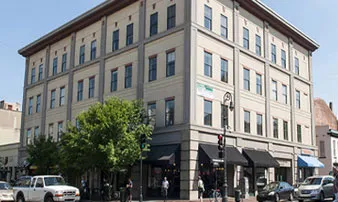
Savannah
100 Bull Street
Suite 200
Savannah, GA 31401
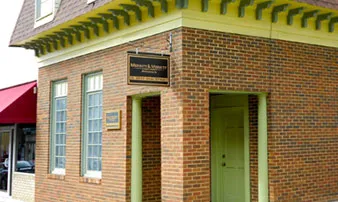
Statesboro
15 West Main Street
Statesboro, GA 30458
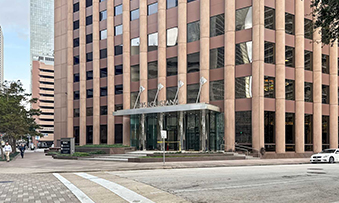
Houston
1415 Louisiana Street,
Suite 1800,
Houston, TX 77002

Jacksonville
841 Prudential Drive
12th Floor
Jacksonville, FL 32207

Contact Us
© Copyright 2026 Merritt & Merritt Law Firm. All rights reserved.