
call us 24/7 1-800-738-WE-WIN
call us 24/7 1-800-738-WE-WIN
Serving All of Georgia, Florida, & Texas
Negotiating a Catastrophic Injury Settlement With Insurance

Last Updated: November 1, 2026
Quick Summary
Negotiating a catastrophic injury settlement with insurance means proving lifetime losses to an adjuster paid to doubt them, so the side with the better file tends to win. The adjuster’s first number is a starting position, not a valuation, and your job is to make the file expensive to dispute.
- Negotiation moves through claim filing, documentation, demand letter, offer and counteroffer, then resolution or filing suit.
- A life-care plan projects future care costs and is usually the largest component of a catastrophic claim.
- Respond to a low offer with a written counteroffer citing overlooked records, never a number alone.
- Coverage layers set the ceiling, liens set deductions, and payment structure determines whether money lasts.
- Most injury settlement negotiations take a few months to over a year, and catastrophic claims run longer.
Table of Contents
- How Catastrophic Injury Settlement Negotiations Actually Work
- Building the Claim File: Evidence and Documentation That Moves the Number
- Writing a Catastrophic Injury Settlement Demand Letter
- Valuing Future Medical Expenses in Personal Injury Settlements
- How to Respond to a Low Insurance Settlement Offer
- Policy Limits, Excess Coverage, and Liens That Change Your Net Recovery
- How Long Do Injury Settlement Negotiations Take?
- Getting Your Catastrophic Injury Claim Evaluated Before You Negotiate
- Frequently Asked Questions
How Catastrophic Injury Settlement Negotiations Actually Work
Call the Merritt & Merritt Law Firm today at 404-975-1775. Offices in Atlanta, Savannah, Statesboro, and Houston.
Negotiating a catastrophic injury settlement with insurance is the process of proving lifetime losses to an adjuster who is paid to doubt them. The side with the better file tends to win. (Source: the National Highway Traffic Safety Administration (NHTSA))
Here is the uncomfortable truth most guides skip: the adjuster’s first number is a starting position, not a valuation. Their job is to close your claim for the least money the file allows.
The negotiation moves in stages:
- Claim filing and investigation. The insurer assigns an adjuster, opens reserves, and starts building its own liability picture.
- Documentation. You assemble medical records, bills, wage proof, and accident reports into a demand package.
- Demand letter. You send a written valuation with supporting evidence and a settlement figure.
- Offer and counteroffer. The adjuster responds low; you respond with evidence, not outrage.
Each stage builds on the last. A weak claim file cannot be rescued by tough talk at the end.
The negotiation moves through a set sequence of stages, each building on the last.
Stage | What happens |
|---|---|
Claim filing and investigation | Insurer assigns adjuster, opens reserves, builds liability picture |
Documentation | Assemble medical records, bills, wage proof, accident reports into demand package |
Demand letter | Send written valuation with supporting evidence and a settlement figure |
Offer and counteroffer | Adjuster responds low; you respond with evidence, not outrage |
Resolution or filing | Claim settles, or you file suit and negotiation continues |
Building the Claim File: Evidence and Documentation That Moves the Number
The claim file is what the adjuster actually evaluates, and a catastrophic injury claim depends heavily on documentation depth. General personal injury files prove a crash happened. Catastrophic files must prove a life changed.
What belongs in the file:
- Proof of liability: the accident report, witness statements, photos of the scene and vehicles, and any citations issued.
- Medical records: emergency records, imaging, surgical notes, specialist consults, and the full treatment history.
- Medical bills: every statement, including those paid by health insurance.
- Wage and income proof: pay stubs, tax returns, and employer statements confirming lost wages and lost earning capacity.
A common mistake is waiting until treatment ends to start collecting. Records get lost, witnesses move, and memories fade. Start the file early and update it as treatment continues.
Writing a Catastrophic Injury Settlement Demand Letter
A catastrophic injury settlement demand letter is a written package that states the facts, proves liability, documents every loss, and proposes a settlement figure with reasoning behind it. It is the single most important document in pre-suit negotiation.

Strong demand letters share a structure:
- Liability section. Who caused the crash, how, and what evidence proves it.
- Injury narrative. The treatment timeline, in plain language, from impact to current condition.
- Damages breakdown. Medical bills, future medical expenses, lost wages, loss of earning capacity, and non-economic damages itemized separately.
- Supporting documentation index. A list of every record enclosed.
- The demand figure. A specific number with reasoning, plus a deadline for response.
Vague demands get vague offers. A demand letter that says “pay what’s fair” invites the adjuster to decide what fair means, and they will decide low.
Valuing Future Medical Expenses in Personal Injury Settlements
The tool that protects this number is a life-care plan: a structured, itemized projection of future needs prepared by a rehabilitation expert, often a certified life-care planner working alongside the treating physicians. It is not a guess.
A defensible life-care plan typically addresses:
- Attendant and home care, hours per day, skill level required, and whether care is provided in the home or a facility
- Physical, occupational, and speech therapy, frequency and duration, including anticipated plateaus and re-evaluation points
- Prescription medications, current regimen plus likely changes over time
- Durable medical equipment, wheelchairs, lifts, hospital beds, ventilation equipment, and replacement cycles
The plan does not stand alone.
Expect the adjuster to push back in predictable ways. They may argue the plan is speculative, that some care is custodial rather than medical, that the claimant will improve beyond the projection, or that the costs are inflated.
Without a life-care plan, future medical expenses tend to be discounted heavily or ignored altogether. With one, they become a documented number the adjuster has to either pay or explain away in writing. (Source: the U.S. Department of Labor’s Bureau of Labor Statistics (BLS))
How to Respond to a Low Insurance Settlement Offer
Respond to a low insurance settlement offer with evidence and a reasoned counteroffer, never with a number alone. The first offer is a test. How you answer it tells the adjuster whether you understand your own file.
Schedule a Free Consultation →
A workable response sequence:
- Do not accept or reject verbally. Get the offer in writing.
- Identify what the offer ignores. Usually future care, lost earning capacity, or non-economic damages.
- Send a written counteroffer that re-anchors the number and cites the specific records the adjuster overlooked.
- Set a response deadline and state what happens if it passes.
Watch out: accepting a quick “good faith” offer before treatment stabilizes is the most common way catastrophic claimants undercut themselves. Once you sign a release of claims, the file is closed permanently.
Policy Limits, Excess Coverage, and Liens That Change Your Net Recovery
The settlement amount and your net recovery are two different numbers, and the gap between them is where catastrophic claimants get surprised. A headline figure that sounds life-changing can shrink substantially once coverage ceilings and reimbursement claims are resolved.
Start with the coverage layers. The at-fault driver’s liability policy is only the first layer. To understand how a per-person bodily injury liability limit caps what one victim can recover, see our explainer. A state statute on minimum motor vehicle liability coverage sets the floor, and those minimums are frequently far below catastrophic injury costs. Above that floor, look for:
- The at-fault driver’s own policy limits, per-person and per-occurrence, and whether the claim involves multiple claimants competing for the same per-occurrence limit
- Umbrella and excess policies, personal umbrella coverage is common and often overlooked in the initial demand
- Commercial policies, a tractor-trailer, delivery van, or company vehicle may carry far higher limits than a personal auto policy
- Uninsured and underinsured motorist coverage on the claimant’s own policy, which may respond when the at-fault driver’s limits are exhausted
Identifying every layer matters because a catastrophic loss often exceeds the primary policy by a wide margin.
Then account for liens and subrogation. Health insurers, Medicare, Medicaid, and workers’ compensation carriers may assert reimbursement claims against the settlement. These are not optional line items, they are claims that must be resolved, negotiated, or in some cases reduced. Common sources include:
- Private health insurance subrogation and reimbursement rights
- Medicare and Medicaid reimbursement, which carry their own resolution processes and timelines
- Workers’ compensation carriers seeking recovery from a third-party settlement
- Hospital liens and statutory medical provider liens
The order in which these are resolved affects what the claimant actually keeps. A settlement that ignores liens can leave the claimant owing money after the case closes.
Consider how the money is paid. A lump sum and a structured settlement are not equivalent for long-term security.
How Long Do Injury Settlement Negotiations Take?
Most injury settlement negotiations take anywhere from a few months to over a year, and catastrophic claims routinely run longer because future care must be projected and documented.
What drives the calendar:
- Treatment duration. You cannot value a claim before the injury stabilizes.
- Documentation assembly. Records requests and expert reports take time.
- Adjuster response speed. Offers and counteroffers move in cycles, not days.
- Liability disputes. Contested fault or comparative fault arguments add rounds.
- Litigation. If the claim does not settle, filing suit adds months or longer.
For a fuller stage-by-stage breakdown, see our guide on how long personal injury cases take. Expect months, plan for longer, and do not let money stress push you into a premature settlement.
Getting Your Catastrophic Injury Claim Evaluated Before You Negotiate
Get a case evaluation before you send a demand or sign anything, because the value of a catastrophic injury settlement is set long before the first offer arrives. An early review catches the mistakes that are expensive to fix later.
What a proper evaluation covers:
- Whether liability is clear or disputed
- Whether all coverage layers have been identified
- Whether liens exist and how they affect net recovery
- Whether a life-care plan is needed
- Whether the claim is likely to settle or require litigation
If you are weighing representation, our guide to the best car accident lawyers for catastrophic injuries covers what to ask and how to compare firms. When you are ready to have your claim reviewed, you can consult an Augusta catastrophic injuries lawyer for a free consultation. For negotiation tactics specific to commercial vehicle crashes, our step-by-step guide on how to negotiate truck accident settlements walks through the adjuster playbook.
Frequently Asked Questions
How do you negotiate a catastrophic injury settlement with an insurance company?
Start by building a complete claim file: the accident report, proof of liability, medical records, bills, wage loss documentation, and a life-care plan for long-term needs. Send a written demand package that ties every dollar to evidence, then respond to the adjuster’s offer with a reasoned counteroffer rather than a round number. Keep negotiating in writing so nothing is mischaracterized later. An attorney can handle this process while you focus on treatment, and at Merritt & Merritt you pay only if we win.
What should a catastrophic injury settlement demand letter include?
A strong catastrophic injury settlement demand letter covers liability facts, the full injury picture, and each category of damages. Include medical records and bills, future medical expenses supported by a life-care plan, lost wages and loss of earning capacity, rehabilitation costs, and pain and suffering. Attach supporting documentation and state a specific demand figure with the calculation behind it. Vague demands invite low offers because the adjuster has nothing concrete to justify a higher reserve.
Should you accept the first insurance settlement offer after a serious injury?
Usually not. First offers from an insurance adjuster are typically set low and made before the full extent of a catastrophic injury is known. Accepting means signing a release of claims, which permanently ends your ability to recover more if complications or future medical expenses appear. Have the offer reviewed against your documented damages first. If it falls short, a written counteroffer with supporting evidence is the standard next step.
How long do injury settlement negotiations take for a catastrophic claim?
There is no fixed timeline. Catastrophic claims take longer than routine ones because they require life-care plans, expert evidence, and confirmation that treatment has stabilized. Negotiations can run months, and disputed liability or policy limit issues can push a case toward litigation, which adds further time. Ask your attorney for a realistic range based on your medical status and coverage, and plan finances around the longer end rather than the shortest estimate.
Catastrophic injury claims reward preparation, and insurers know which files are ready for trial. Merritt & Merritt Law Firm brings over 45 years of trial experience to that fight, with 24-hour availability, home, office, or hospital visits, and a contingency fee structure where you pay only if we win. Get started with Merritt & Merritt Law Firm and put an experienced trial team between you and the adjuster.

Our Locations

Atlanta/Decatur
1 West Court Square
Suite 750
Decatur, GA 30030

Savannah
100 Bull Street
Suite 200
Savannah, GA 31401

Statesboro
15 West Main Street
Statesboro, GA 30458
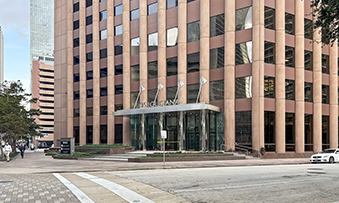
Houston
1415 Louisiana Street,
Suite 1800,
Houston, TX 77002

Jacksonville
841 Prudential Drive
12th Floor
Jacksonville, FL 32207

Contact Us
© Copyright 2026 Merritt & Merritt Law Firm. All rights reserved.