
call us 24/7 1-800-738-WE-WIN
call us 24/7 1-800-738-WE-WIN
Serving All of Georgia, Florida, & Texas
Hit-and-Run Driver Never Found: What to Do Next
Table of Contents
- Immediate Steps After a Hit-and-Run Collision
- File a Hit-and-Run Police Report
- Evidence for a Hit-and-Run Claim
- Understanding Uninsured Motorist Coverage for Hit-and-Run
- Filing Your Hit-and-Run Insurance Claim
- What Happens When the Hit-and-Run Driver Is Never Found
- When to Contact an Attorney for Your Hit-and-Run Case
- Frequently Asked Questions
Last Updated: October 15, 2026
Immediate Steps After a Hit-and-Run Collision
Call the Merritt & Merritt Law Firm today at 404-975-1775. Offices in Atlanta, Savannah, Statesboro, and Houston.
When a hit-and-run driver never found at the scene flees, your first priority is safety and medical care, then document everything.
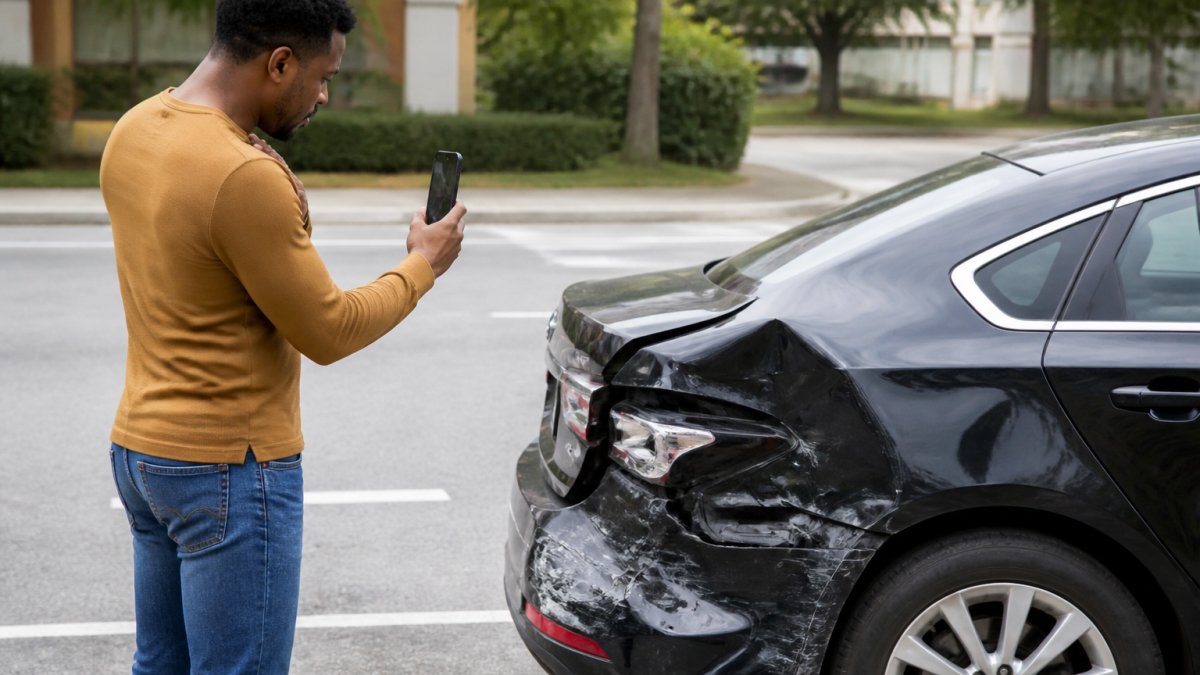
While waiting for help, move to a safe location if possible and turn on your hazard lights. If you can do so without leaving the scene, photograph:
- Your vehicle’s damage from multiple angles
- The accident location and road conditions
- Nearby businesses or homes with security cameras
- Traffic signals and street signs
- Skid marks or debris on the pavement
Stay at the scene until law enforcement arrives. Document the exact time, date, and location.
Call 911 and Seek Medical Attention
Tell the dispatcher:
- Your exact location
- Whether anyone is injured
- A description of the other vehicle (color, size, direction it went)
- Any partial license plate information you saw
Medical evaluation protects you even when injuries feel minimal. Whiplash, back pain, and head trauma often appear hours later, and an immediate record becomes evidence for your claim. Never refuse medical transport; if you feel any pain, dizziness, or disorientation, go to the hospital or urgent care.
Document the Scene and Vehicle Damage
Photography is your strongest evidence. Take detailed photos before the scene is cleared:
- Wide shots showing the entire accident location
- Close-ups of all vehicle damage
- Photos of the road surface (skid marks, debris)
- Images of nearby surveillance cameras on buildings or traffic lights
- Street names and mile markers visible in photos
Write down everything you remember about the other vehicle: color and make/model, license plate (even partial), direction traveled, speed and driving behavior, and any distinctive features (bumper stickers, dents, broken lights).
Get contact information from witnesses. Ask which way the other car went and whether they’d speak with police, then record their names, phone numbers, and observations.
File a Hit-and-Run Police Report
A police report is mandatory for any hit-and-run claim. Law enforcement creates an official record and begins investigating; without a report, your insurer will likely deny your claim. Call the police non-emergency line if you’re not injured; for injury cases, officers respond to the scene.
When police arrive, give a complete, accurate statement. Stick to facts and don’t speculate about the other driver’s identity or whereabouts.
What Information to Provide to Law Enforcement
Tell the officer:
- The exact date, time, and location of the collision
- How the collision happened (which direction each vehicle was traveling, where impact occurred)
- The other vehicle’s description (color, make, model, license plate if visible)
- Direction the vehicle fled
- Your vehicle’s damage and current location
Ask the officer for their name, badge number, and the police report number, and request a copy. You’ll need this number for your insurance claim. The police investigation may take weeks or months as officers check traffic cameras, canvas for surveillance footage, and search registration databases. Some cases are solved quickly; others remain unsolved, which is why uninsured motorist coverage becomes critical.
Gather Witness Information and Look for Surveillance Footage
Witnesses are invaluable. Even someone who didn’t see the collision may have seen the other vehicle leaving or know which direction it went.
Ask nearby businesses if they have security cameras:
- Gas stations
- Convenience stores
- Banks
- Restaurants
- Apartment complexes
- Traffic light intersections
Ask them to preserve footage immediately, providing the date, time, and location. Many systems overwrite footage after 7-14 days, so act fast. Check for dashcam footage from other drivers, ask police if they recovered any video evidence, and download and back up your own dashcam footage immediately.
Evidence for a Hit-and-Run Claim
Your insurer will investigate as thoroughly as police. The evidence you gather determines whether you receive full compensation; without solid documentation, insurers often deny or reduce payouts.
Preserve every piece of evidence:
- Original photographs and video from the scene
- Medical records and bills
- Police report and case number
- Witness statements and contact information
- Dashcam or surveillance footage
- Repair estimates from body shops
Preserving Dashcam and Surveillance Footage
Dashcam footage is your strongest evidence. Download it immediately and save copies to cloud storage (Google Drive, OneDrive, Dropbox), and email yourself a copy to protect against accidental deletion. If you don’t have dashcam footage, request it from nearby businesses or traffic cameras; contact the city or county traffic department with the date, time, and location, as some agencies require a formal records request.
Medical Records and Injury Documentation
Medical records are proof of injury. Collect emergency room or urgent care reports, doctor’s notes, imaging reports (X-rays, MRI, CT scans), prescription records, physical therapy documentation, and ongoing treatment records. Keep receipts for all medical expenses; your insurer uses these records to calculate damages.
Understanding Uninsured Motorist Coverage for Hit-and-Run
Uninsured motorist coverage protects you when the at-fault driver is never found or has no insurance, paying medical expenses, lost wages, and pain and suffering you can’t recover from the other driver.
Most states require insurers to offer UM coverage, though you can decline it. Many drivers skip this coverage to save money. That decision is often catastrophic in hit-and-run cases.
How UM Coverage Applies When the Driver Is Unidentified
Uninsured motorist coverage applies to hit-and-run accidents because the at-fault driver is unidentified, you cannot pursue their insurance.
UM coverage typically includes:
- Medical expenses and treatment costs
- Lost wages from time off work
- Pain and suffering damages
- Vehicle repair or replacement
- Other accident-related expenses
Your insurer will review police reports, medical records, and scene evidence, then approve your UM claim if it determines a hit-and-run occurred.
The key requirement: you must prove a collision happened and the other driver fled.
Coverage Limits and What They Mean for Your Claim
UM coverage comes with policy limits you choose when buying your policy, commonly $25,000, $50,000, or $100,000 per person.
Schedule a Free Consultation →
Your payout cannot exceed your policy limit.
Higher limits cost more but protect better. Drivers in high-accident areas should consider $100,000 or more.
Your deductible applies to UM claims just as it does to collision claims: with a $500 deductible and $50,000 in damages, you receive $49,500.
Filing Your Hit-and-Run Insurance Claim
Contact your insurer immediately after the collision. Most policies require notice within a specific timeframe, often 30 days, and delays can result in claim denial.
Call your insurer’s claims line. Provide:
- Your policy number
- Date, time, and location of the collision
- Police report number
- Description of the other vehicle
- Injuries and medical treatment
- Estimated vehicle damage
Your insurer will assign a claims adjuster who investigates your claim, reviews evidence, and determines your payout. Be honest and thorough in all communications.
Notice Requirements and Reporting Deadlines
State law and your policy set specific deadlines for reporting accidents; missing them can result in claim denial. Most policies require notice within 30 days; some require 24 hours. Check your policy documents for your state’s exact deadline.
Your adjuster will request:
- Proof of the collision (police report, photos)
- Medical records and bills
- Repair estimates
- Witness statements
- Any video footage
Provide everything promptly. Delays give your insurer reason to deny or reduce your payout.
What to Expect During the Claims Investigation
Your adjuster will investigate the hit-and-run claim, typically over 2-6 weeks, though complex cases take longer. The adjuster will review the police report, examine your photographs and video, request medical records, interview witnesses, obtain repair estimates from body shops, and determine whether UM coverage applies. During the investigation, answer any questions honestly and completely; inconsistencies can result in claim denial.
What Happens When the Hit-and-Run Driver Is Never Found
Many cases where a hit-and-run driver never found go unsolved. Police exhaust investigative leads and close the case without identifying the driver.
An unsolved hit-and-run is frustrating: you’ve called police, documented the scene, and filed a report, but the at-fault driver remains unknown. Your UM coverage ensures you’re not left paying for their negligence.
How Police Investigate Unidentified Driver Cases
Police investigation begins with the evidence you provided:
- Vehicle description and partial license plate
- Direction the vehicle fled
- Witness statements
- Surveillance footage
Officers check police databases for matching vehicles, contact body shops to identify vehicles brought in for repairs matching your collision damage, and review traffic camera footage. If a suspect vehicle is identified, police contact the owner, photograph the vehicle, and compare damage to your accident; if the damage matches and the timeline fits, they may make an arrest or citation.
Coverage Options If Your Claim Is Denied or Delayed
If your insurance company denies your UM claim, you have options: request a detailed written explanation of the denial, review your policy terms, file a complaint with your state’s insurance commissioner, pursue legal action against your insurer, or consult an attorney specializing in insurance disputes.
When an insurer delays or denies your claim unfairly, legal representation protects your rights and ensures you receive the compensation you deserve.
When to Contact an Attorney for Your Hit-and-Run Case
Most straightforward hit-and-run claims are resolved without legal representation: your insurer approves your UM claim and you receive compensation. But some cases require an attorney, who protects you when:
- Your insurer denies your hit-and-run claim
- The settlement offer is significantly below your damages
- You suffered serious injuries requiring ongoing treatment
- The insurer disputes whether a hit-and-run occurred
- Medical bills exceed your UM coverage limits
- You need to pursue the at-fault driver if they’re later identified
Red Flags That Warrant Legal Representation
Contact an attorney if your insurer requests recorded statements before you’ve consulted a lawyer, denies your claim without adequate investigation, offers a settlement that doesn’t cover your medical bills, delays resolution beyond 60 days, disputes that a collision occurred despite police report confirmation, pressures you to settle quickly, or suggests you sign a release before reviewing all medical records.
How an Attorney Helps Recover Compensation
An attorney handles communicating with your insurance company, negotiating settlement amounts, gathering evidence and medical records, calculating total damages (medical expenses, lost wages, pain and suffering), filing legal claims if necessary, and representing you in court if litigation becomes necessary.
Information about uninsured motorist coverage requirements
After a hit-and-run collision, you face medical bills, vehicle repairs, and lost income while the at-fault driver remains unknown. Uninsured motorist coverage protects you, but only if you document the accident thoroughly and file your claim promptly.
Frequently Asked Questions
Can I file an insurance claim if the hit-and-run driver is never found?
Yes, if you have uninsured motorist coverage. This coverage is specifically designed to protect you when the at-fault driver is unidentified or uninsured. You’ll file a hit-and-run insurance claim with your own insurer, providing the police report, photos, medical records, and any witness statements. Your insurance company will investigate the incident and determine compensation based on your policy limits and documented losses, including medical expenses, property damage, and lost wages.
What evidence should I collect after a hit-and-run accident?
Preserve everything: the police report number, photographs of vehicle damage from multiple angles, medical records documenting all injuries, witness contact information and statements, dashcam or surveillance footage from nearby cameras, and your own written account of the collision with date, time, and location. If you received medical evaluation at the scene or hospital, keep those records. Evidence preservation is critical because it supports both your insurance claim and any potential legal action later.
How does uninsured motorist coverage help when the driver is unidentified?
Uninsured motorist coverage treats a hit-and-run with an unidentified driver similarly to a collision with an uninsured motorist. It covers your medical expenses, lost wages, pain and suffering, and property damage up to your policy limits. You must notify your insurer promptly and provide the police report proving the collision occurred with an unidentified vehicle. Some states require corroborating evidence of the impact; check your policy and state requirements with your insurer.
Should I contact an attorney if the hit-and-run driver is never found?
Contact an attorney if your injuries are serious, medical bills are substantial, the insurer delays or denies your claim, or you’re unsure about your coverage options. An attorney can review your policy, investigate the incident, negotiate with your insurance company, and ensure you receive fair compensation. Many personal injury attorneys work on contingency, meaning you pay only if they recover compensation for you, making legal help accessible when you need it most.
Our Locations

Atlanta/Decatur
1 West Court Square
Suite 750
Decatur, GA 30030
Savannah
100 Bull Street
Suite 200
Savannah, GA 31401
Statesboro
15 West Main Street
Statesboro, GA 30458
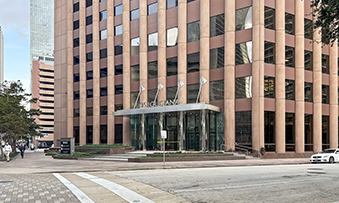
Houston
1415 Louisiana Street,
Suite 1800,
Houston, TX 77002

Jacksonville
841 Prudential Drive
12th Floor
Jacksonville, FL 32207

Contact Us
© Copyright 2026 Merritt & Merritt Law Firm. All rights reserved.