
call us 24/7 1-800-738-WE-WIN
call us 24/7 1-800-738-WE-WIN
Serving All of Georgia, Florida, & Texas
Dealing With Car Accident Emotional Trauma: What Helps?

Quick Summary
Dealing with car accident emotional trauma starts with recognizing symptoms like replaying the crash, poor sleep, and avoiding driving, then getting help from a trained professional. Published PTSD estimates after crashes range from 8% to 46%, so these reactions are common and treatable. Documenting symptoms also matters if you have an injury claim.
- Common signs include replaying the crash, feeling numb, and trouble sleeping.
- PTSD after motor vehicle crashes is estimated between 8% and 46% in published reviews.
- PTSD symptoms lasting more than one month often warrant structured therapy.
- Returning to driving can follow a gradual plan, rating anxiety from 0 to 10 at each step.
- Keep a symptom log and attend appointments to document the impact of the crash.
Table of Contents
- What Emotional Trauma After a Car Accident Looks Like
- Recognizing the Signs: Anxiety, Sleep Problems, and Hypervigilance
- Understanding PTSD After a Car Accident
- How Long Does Trauma Last After a Car Accident?
- Step-by-Step: Steps You Can Take to Start Recovering
- How Emotional Distress Fits Into an Injury Claim
- Scheduling Your Next Step After a Crash
- Frequently Asked Questions
Last Updated: October 28, 2026
Call the Merritt & Merritt Law Firm today at 404-975-1775. Offices in Atlanta, Savannah, Statesboro, and Houston.
Dealing with car accident emotional trauma is often harder than people expect, because the injuries you cannot see can linger long after the bruises fade. Merritt & Merritt Law Firm has over 45 years of trial experience. Published estimates of PTSD after motor vehicle crashes vary widely, from 8% to 46%, according to a review of PTSD after severe vehicular crashes.
What Emotional Trauma After a Car Accident Looks Like
Emotional trauma after a car accident is a psychological reaction to a frightening event that felt threatening to your life or safety. It can show up right away or weeks later. Some people feel shaken for a few days. Others find the feelings grow over time.
Common signs include:
- Replaying the crash in your mind
- Feeling numb or detached from daily life
- Feeling guilty, angry, or on edge
- Avoiding the road, the intersection, or even riding in a car
Recognizing the Signs: Anxiety, Sleep Problems, and Hypervigilance
Anxiety after a crash often feels like a constant alarm. You may startle at loud noises or check your mirrors more than you used to. Sleep is often the first thing to break down.
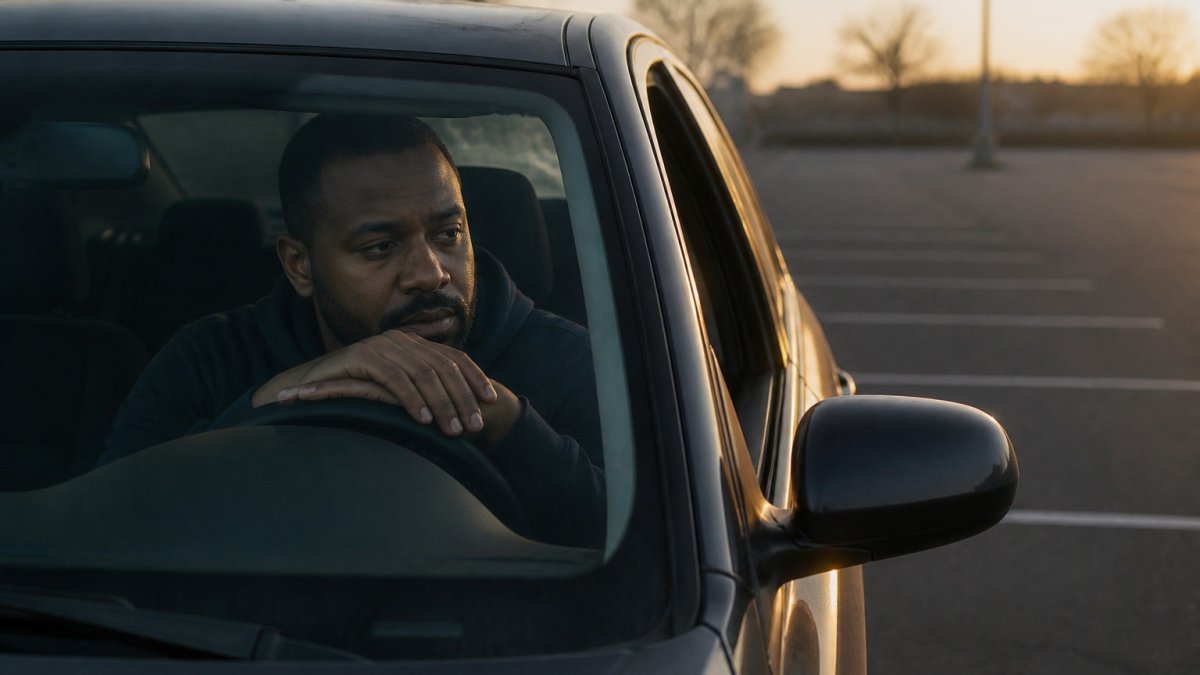
Watch for these patterns:
- Trouble falling asleep or staying asleep
- Nightmares about the collision
- Feeling “on guard” even in safe places
- Racing heart or panic when you think about driving
These reactions do not mean you are weak.
Understanding PTSD After a Car Accident
Post-traumatic stress disorder (PTSD) is a condition that can develop after a traumatic event such as a motor vehicle crash. It is not simply “being upset” after an accident. PTSD is a recognized diagnosis with specific criteria, and it can interfere with work, relationships, sleep, and your ability to drive or ride in a car.
What the Diagnosis Actually Requires
Mental health providers generally look for a cluster of symptoms that last more than one month and cause real distress or impairment. The core clusters include:
- Intrusion: unwanted memories, flashbacks, or nightmares about the crash
- Avoidance: staying off certain roads, avoiding driving, or refusing to talk about the event
- Negative changes in thinking and mood: guilt, blame, numbness, or a sense that the world is dangerous
- Changes in arousal and reactivity: being easily startled, feeling on guard, trouble sleeping, or irritability
How Common Is It After a Crash?
Published estimates of PTSD after motor vehicle crashes vary widely, from roughly 8% to 46%, according to a review of PTSD after severe vehicular crashes.
Who Is at Higher Risk
- A crash involving serious injury, a fatality, or a prolonged rescue
- A history of prior trauma, anxiety, or depression
- Ongoing pain, disability, or financial stress after the crash
- Limited social support at home or at work
- A tendency to avoid reminders of the crash rather than gradually facing them
Evidence-Based Treatment
A 2007 review of assessment and treatment of PTSD after motor vehicle collisions notes that treatment can be challenging because patients often must face the things that remind them of the crash. That is why working with a trained professional matters. Two approaches are widely used for accident-related trauma:
Documenting PTSD for a Claim
If you were hurt in a crash caused by someone else, a PTSD diagnosis can be part of your emotional distress claim. Insurers and courts often look at medical records, therapy notes, and how the trauma affects your daily life. Keeping a simple symptom log, attending appointments, and following your provider’s recommendations all create a record that reflects the real impact of the crash.
Schedule a Free Consultation →
How Long Does Trauma Last After a Car Accident?
Recovery is rarely a straight line. Setbacks happen, and they do not mean you are failing.
Step-by-Step: Steps You Can Take to Start Recovering
Recovery starts with small, practical steps. If your accident involved a head impact, a Savannah traumatic brain injury lawyer can explain how brain injury claims are pursued. You do not need to do everything at once, and setbacks are normal. The sequence below is a common pattern that many practitioners recommend, but your own provider should tailor it to your situation.
Week One: Build Awareness and Support
- Build a simple routine for sleep, meals, and gentle movement. Predictability helps calm an overactive nervous system.
Weeks Two to Six: Add Structured Coping
- Start a gradual driving plan (see below) only when your provider agrees you are ready.
Returning to Driving: A Gradual Exposure Plan
At each step, rate your anxiety from 0 to 10 before and after. Move to the next step only when the current one feels manageable, and do not push into heavy traffic until you feel ready. If a step feels overwhelming, stay there longer or ask your provider for guidance. Some therapists formally incorporate this method into treatment.
Long-Term Recovery Timelines
Healing is rarely a straight line. A common pattern is that acute distress eases within the first few weeks, while trauma symptoms that persist beyond a month often require structured therapy. Many people notice meaningful improvement over several months of consistent treatment, but timelines vary with crash severity, prior trauma history, ongoing pain, and social support. Setting realistic expectations reduces anxiety about the process itself.
Navigating Insurance and Mental Health Coverage
If you were hurt by someone else’s negligence, an attorney can help you understand how therapy costs fit into your injury claim and whether they may be recoverable.
When to Escalate
Ask for help promptly when symptoms interfere with daily life, work, sleep, or driving, or when you notice worsening anxiety, panic, or avoidance. Early care can make a real difference, and your documented efforts also strengthen any legal claim.
The recovery steps follow a rough timeline, and the gradual driving plan rates anxiety on a simple scale.
Stage | What to do | Time or frequency |
|---|---|---|
Week one | Build awareness and support | First week |
Week one | Build a simple routine for sleep, meals, and movement | Daily |
Weeks two to six | Add structured coping | Weeks two to six |
Driving plan | Rate anxiety from 0 to 10 before and after each step | Each step |
Driving plan | Move on only when the current step feels manageable | When ready |
Long-term recovery | Many people notice improvement over several months of consistent treatment | Several months |
How Emotional Distress Fits Into an Injury Claim
If you were hurt in a crash caused by someone else, emotional distress may be part of your injury claim. Our Florida car accident injury claims guide explains damages and timelines. Insurers and courts often look at medical records, therapy notes, and how the trauma affects your daily life. Keeping detailed records can help. A review of PTSD incidence after motor vehicle crashes shows how widely estimates differ, which is why each person’s documented experience matters.
Scheduling Your Next Step After a Crash
Dealing with car accident emotional trauma is a process, and you do not have to manage it alone. Merritt & Merritt Law Firm offers 24-hour service and home, office, or hospital visits. Learn what an Atlanta personal injury attorney does before you reach out. You pay only if we win. Schedule a free consultation with our team to talk through your injuries, your recovery, and your options.
Frequently Asked Questions
What are common emotional reactions after a car accident?
Many people feel shock, numbness, irritability, or guilt in the days after a crash. Some notice racing thoughts, trouble sleeping, or replaying the collision. Research on motor vehicle crash survivors reports that PTSD estimates range widely, from 8% to 46%.
Can you develop PTSD after a car accident?
A review in the National Institutes of Health’s PubMed Central archive notes that published incidence estimates vary considerably across studies.
When should you seek professional help after a car accident?
Consider seeking help if symptoms last more than a few weeks, worsen over time, or affect sleep, work, relationships, or your ability to drive. Thoughts of self-harm require immediate support. Primary care doctors, therapists, and counselors can all assess emotional trauma. Cognitive behavioral therapy is widely described as a leading approach for accident-related emotional trauma, and it can help people reframe distressing thoughts.
Can emotional distress after a car accident affect an injury claim?
Settlement values vary widely depending on the facts, injuries, and jurisdiction, so no general figure applies to every case. Speaking with a personal injury attorney in your state can help you understand how emotional injuries are evaluated.

Our Locations

Atlanta/Decatur
1 West Court Square
Suite 750
Decatur, GA 30030

Savannah
100 Bull Street
Suite 200
Savannah, GA 31401

Statesboro
15 West Main Street
Statesboro, GA 30458
Houston
1415 Louisiana Street,
Suite 1800,
Houston, TX 77002

Jacksonville
841 Prudential Drive
12th Floor
Jacksonville, FL 32207

Contact Us
© Copyright 2026 Merritt & Merritt Law Firm. All rights reserved.