
call us 24/7 1-800-738-WE-WIN
call us 24/7 1-800-738-WE-WIN
Serving All of Georgia, Florida, & Texas
Steps After a Commercial Truck Collision
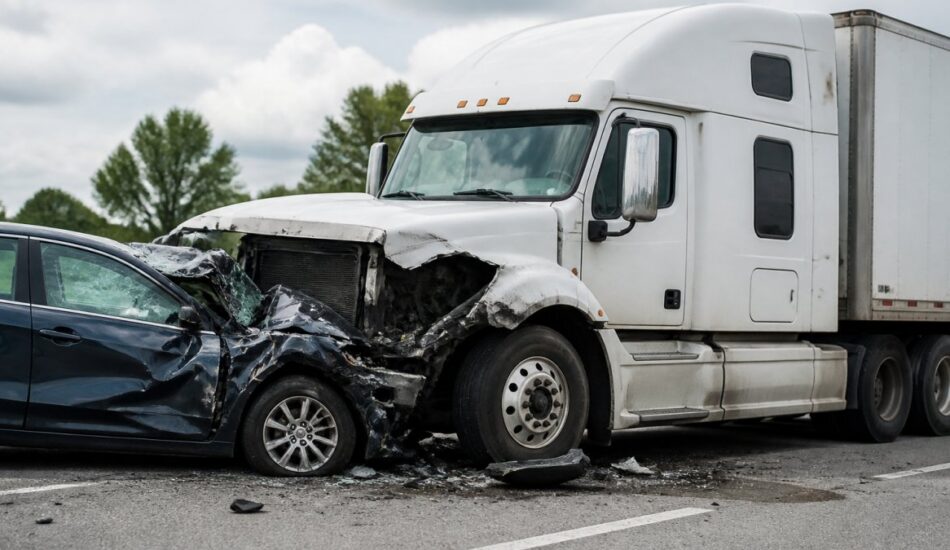
Table of Contents
- Ensure Safety and Move to a Secure Location
- Call 911 and Report the Commercial Truck Collision
- Seek Immediate Medical Attention
- Document the Accident Scene and Collect Commercial Truck Accident Evidence
- What Not to Say to the Insurance Company After an Accident
- Preserve Black Box Data and Telematics Records
- Understanding Your Truck Accident Settlement Timeline
- Contact Your Insurance Provider and Legal Counsel
- Frequently Asked Questions
Last Updated: September 30, 2026
Ensure Safety and Move to a Secure Location
Your first priority after a commercial truck collision is protecting yourself and others. Move away from traffic if safe, turn on hazard lights, and drive to a safe location if your vehicle is operational.
Call the Merritt & Merritt Law Firm at 404-975-1775. Offices Atlanta, Savannah, Statesboro, and Houston.
If injured or trapped, stay put and call 911 immediately. Emergency responders are trained to extract people safely.
Check on passengers and offer basic assistance. Stay calm to prevent poor decisions.
Call 911 and Report the Commercial Truck Collision
Call 911 immediately, even if injuries seem minor. Police documentation creates an official accident report needed for your claim.
When you call 911, provide:
- Your exact location
- Number of vehicles involved
- Whether anyone is injured
- If the roadway is blocked
- Any hazards like spilled fuel or debris
Stay on the line with the dispatcher for first aid or traffic control instructions.
Request a police report number before officers leave the scene. Write it down. You’ll need this number to file an insurance claim and for any legal proceedings. The police report documents what happened and can support your version of events.
Seek Immediate Medical Attention
Accept medical evaluation at the scene. Injuries from commercial truck collisions can be delayed; adrenaline masks pain.
Accept paramedic evaluation and hospital transport if recommended. If you decline, ask them to document your refusal.
Seek emergency care if not transported by ambulance. Report all symptoms: neck, back, or joint pain; headaches; dizziness; concentration issues; and emotional distress.
Keep all medical records and receipts. These documents prove the extent of your injuries and connect them to the commercial truck collision. They’re essential for calculating fair compensation.
Follow your doctor’s treatment plan completely. Gaps in care give insurance companies grounds to minimize your injuries.
Document the Accident Scene and Collect Commercial Truck Accident Evidence
Photograph everything at the scene before anything is moved: vehicle positions, roadway conditions, traffic signs, and damage to all vehicles.
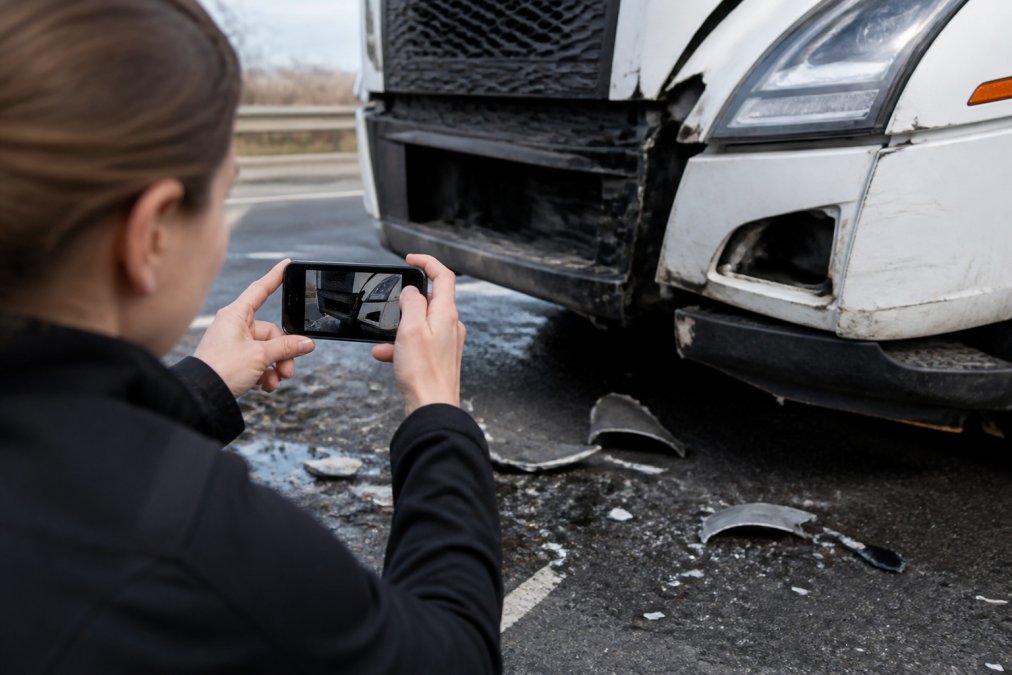
Photograph the truck’s license plate, company name, tire and brake condition, visible defects, cargo configuration, and driver information.
Collect names, phone numbers, and addresses of all witnesses. Record their statements word for word, witness testimony is powerful evidence.
Collect contact information from the other driver:
- Full name and phone number
- Driver’s license number
- Insurance company and policy number
- Vehicle identification number (VIN)
- Trucking company name and address
- Commercial driver’s license (CDL) number if visible
Document the date, time, weather, and road conditions. These details matter for determining fault in a commercial truck collision.
What Not to Say to the Insurance Company After an Accident
The insurance adjuster will contact you soon after a commercial truck collision. Be polite but careful, anything you say can be used against you. Commercial trucking adjusters are trained to minimize liability and employ aggressive tactics to undermine your claim.
How Trucking Company Adjusters Differ
Trucking insurance adjusters work for specialized defense firms, know the industry, understand black box data, and are skilled at finding contradictions in statements and records.
Adjusters are incentivized to deny or minimize claims. They’ll exploit any inconsistency in your account or medical treatment to argue injuries are exaggerated or unrelated.
Never Admit Fault or Apologize
Never admit fault or apologize. Statements like “I didn’t see the truck” or “I should have been paying more attention” are admissions of liability used against you.
Even innocent comments can be twisted. Every word becomes part of the official record.
Don’t Discuss Your Injuries in Detail
Don’t provide detailed injury accounts. Respond: “I’m still evaluating my condition with my doctor. My attorney will provide a full medical report once treatment is complete.”
Adjusters use detailed injury descriptions to find inconsistencies and minimize damages.
Don’t minimize injuries either, saying “I’m fine” early then seeking extensive treatment looks suspicious.
Avoid Recorded Statements Without Legal Representation
The adjuster will request a recorded statement. Politely but firmly decline.
Say: “I’m not able to provide a recorded statement. Please have your legal counsel contact my attorney.”
Schedule a Free Consultation →
Recorded statements are permanent and can be used in settlement negotiations or trial. Skilled adjusters ask leading questions that elicit unintended statements.
Adjusters use leading questions to impeach credibility. For example, denying phone use can be contradicted by follow-up questions about checking it shortly after.
Your attorney can participate in a recorded statement only after medical treatment is substantially complete and investigation is thorough.
Don’t Sign Medical Authorization Forms
Don’t sign anything without attorney review. Adjusters may include blanket medical authorizations giving access to your entire medical history, not just accident-related records.
Broad authorizations allow adjusters to obtain records of previous injuries or mental health treatment to argue current injuries are pre-existing.
Tell the adjuster: “I’m willing to provide accident-related records. Please specify which ones, and my attorney will review them before authorization.”
Don’t Discuss Settlement or Damages
Don’t answer questions about settlement or damages, these are tactics to anchor expectations low.
Respond: “My attorney will handle all settlement discussions.”
Let your attorney handle settlement negotiations. Adjusters exploit emotional reactions to pressure inadequate offers.
Don’t Post About the Accident on Social Media
Insurance companies monitor social media. Photos of you smiling or doing activities can be used to argue injuries aren’t serious.
Don’t post about injuries, medical treatment, activities, emotional state, settlement negotiations, or accident photos.
Set social media to private and instruct family and friends not to post about your accident or recovery.
Request All Communications in Writing
If the adjuster calls, request all future communications in writing: “I prefer email for a clear record. Please send requests in writing, and my attorney will respond.”
Written communication protects you: you have time to think, your attorney can review responses, there’s a clear record, and adjusters are more careful in writing.
Preserve Black Box Data and Telematics Records
Commercial trucks have electronic logging devices (ELDs) and event data recorders, often called black boxes. This equipment records the truck’s speed, braking patterns, acceleration, and the driver’s hours of service. This data is critical evidence in proving what happened during the commercial truck collision.
Understanding Your Truck Accident Settlement Timeline
Statute of Limitations for Commercial Truck Claims
Insurance Claim Filing Deadlines
The Actual Settlement Timeline
The timeline generally follows this pattern:
Weeks 1-4: Report to both insurers, seek medical care, and send a preservation notice for black box data, maintenance records, and driver logs.
Factors That Extend the Timeline
Several factors can lengthen your settlement process:
- Severity of injuries: Catastrophic injuries require longer medical treatment and more complex damage calculations.
- Disputed liability: If the trucking company contests fault, investigation and negotiation take longer.
- Insurance policy limits: If damages exceed the truck’s liability coverage, you may need to pursue the trucking company’s personal assets or umbrella policies.
- Multiple defendants: Accidents involving multiple vehicles or third parties (maintenance contractors, cargo loaders) complicate liability and extend timelines.
- Driver fatigue or regulatory violations: Cases involving Hours of Service (HOS) violations or FMCSA safety violations may trigger regulatory investigations that slow settlement.
Why You Shouldn’t Rush
Contact Your Insurance Provider and Legal Counsel
Report the commercial truck collision to your insurance company within 24 hours, even if you weren’t at fault. Your policy likely requires prompt notice. Provide basic facts but don’t go into detail. Say you’ll have your attorney contact them with additional information.
Frequently Asked Questions
What evidence is critical to collect after a commercial truck collision?
Photograph all vehicle damage, accident scene debris, road conditions, traffic signals, and hazard lights. Collect witness contact information and statements. Request the police report number. Preserve the commercial truck’s electronic logging device (ELD) data and black box (EDR) records, which document speed, braking, and driver behavior. Document your injuries with photos and medical records. This evidence is essential for establishing liability and supporting your personal injury claim.
What should you not say to an insurance company after a truck accident?
Never admit fault, apologize, or speculate about how the accident happened. Avoid giving a recorded statement without legal counsel present. Do not accept an initial settlement offer without understanding the full extent of your injuries and damages. Do not discuss the accident on social media. Do not sign documents from the trucking company’s adjuster without attorney review. Stick to factual statements only: date, time, location, and vehicles involved. Let your attorney handle all communications with insurance adjusters to protect your rights.
How long does it typically take to settle a truck accident case?
Settlement timelines vary based on injury severity, liability clarity, and insurance company cooperation. Simple cases with clear liability may settle in 3-6 months. Complex cases involving serious bodily injury, multiple parties, or disputed liability can take 12-24 months or longer. The statute of limitations for filing a personal injury claim is generally two years from the accident date, though this varies by jurisdiction. Your attorney can provide a realistic timeline after evaluating your specific circumstances and the trucking company’s responsiveness.
What makes Merritt & Merritt different in handling commercial truck accident cases?
Merritt & Merritt has over 45 years of trial experience in tractor-trailer wrecks and personal injury claims. Our attorneys provide 24-hour availability and will visit you at home, office, or hospital—critical when you’re recovering from serious injuries. We work on contingency: you pay only if we win. We investigate claims thoroughly to hold liable parties accountable, handle negotiations with trucking company adjusters directly, and explain realistic compensation expectations upfront. Our track record shows we secure fair settlements even when initial property damage appears minor but injuries are severe.
Our Locations

Atlanta/Decatur
1 West Court Square
Suite 750
Decatur, GA 30030

Savannah
100 Bull Street
Suite 200
Savannah, GA 31401
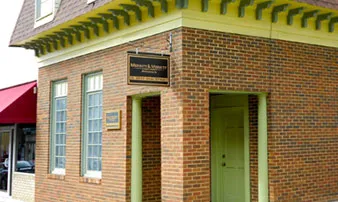
Statesboro
15 West Main Street
Statesboro, GA 30458
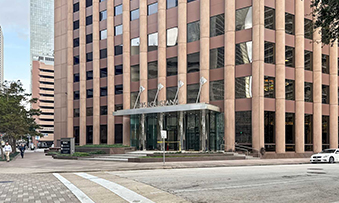
Houston
1415 Louisiana Street,
Suite 1800,
Houston, TX 77002

Jacksonville
841 Prudential Drive
12th Floor
Jacksonville, FL 32207

Contact Us
© Copyright 2026 Merritt & Merritt Law Firm. All rights reserved.