
call us 24/7 1-800-738-WE-WIN
call us 24/7 1-800-738-WE-WIN
Serving All of Georgia, Florida, & Texas
Negligent Security Lawsuit Against Apartment Complex

Table of Contents
- What Is Negligent Security in Apartment Complexes?
- Elements of a Negligent Security Claim
- Proving Landlord Negligence Security: Building Your Case
- Common Examples of Inadequate Security
- Negligent Security Settlement Amounts and Damages
- Statute of Limitations for Personal Injury Claims
- Evidence Collection and Your Next Steps
- Conclusion
Last Updated: August 17, 2026
What Is Negligent Security in Apartment Complexes?
Negligent security in apartment complexes occurs when property owners or managers fail to provide reasonable security measures, resulting in injury from criminal activity. This is a specific type of premises liability claim where the landlord’s duty of care includes protecting tenants and guests from foreseeable criminal acts.
Call the Merritt & Merritt Law Firm today at 404-975-1775.
The core issue is foreseeability. If criminal activity has occurred in or near the property, or if the neighborhood has a documented history of crime, the property owner should have anticipated the risk. When they fail to implement adequate security measures despite this foreseeability, they may be held liable for injuries sustained on the premises.
At Merritt & Merritt Law Firm, we’ve handled cases where apartment complexes ignored clear warning signs. Broken locks, burned-out lighting, absent security cameras, and no gated access are common negligent security failures. The legal theory is straightforward: you must demonstrate that the property owner knew (or should have known) about the risk, failed to take reasonable precautions, and that this failure directly caused your injury from a third-party criminal act.
Elements of a Negligent Security Claim
A successful negligent security lawsuit requires proving four distinct legal elements.
First, you must establish the duty of care. Property owners owe tenants and guests a legal duty to maintain reasonably safe premises, including implementing security measures appropriate to the property’s location and known risks.
Second, you must show breach of that duty. This means the property owner failed to provide security measures that a reasonable owner would have provided, failing to repair broken locks, not installing security cameras despite prior incidents, or neglecting adequate lighting in common areas.
Third, there must be causation. Your injury must directly result from the security failure. If a burglar entered through a broken lock that should have been repaired, the breach caused your harm.
Fourth, you must prove damages. You need documented injuries, medical bills, lost wages, or other quantifiable losses. Pain and suffering may also be included.
Foreseeability is the underlying thread connecting these elements. Courts ask: Did the property owner know about criminal activity in the area? Were there prior incidents on the property? Should they have anticipated the risk? If yes, their failure to act becomes negligence.
The National Law Review’s analysis of premises liability standards emphasizes that foreseeability is often the deciding factor in negligent security cases.
Proving Landlord Negligence Security: Building Your Case
Proving negligent security requires systematic documentation and strategic evidence gathering.
Start with the incident report. File one immediately with property management and request a copy. Next, gather police reports from the police department. Medical records from every healthcare provider who treated you are critical, these quantify your injuries and demonstrate harm severity.
Witness statements carry significant weight. Get accounts in writing from anyone who saw the incident or circumstances leading to it. Photographs and video evidence matter tremendously, request security camera footage immediately and document the state of the property: broken locks, non-functional lighting, absent gates, overgrown landscaping.
Prior incident reports are powerful evidence of foreseeability. Request records of previous crimes on the property. If the landlord knew about prior incidents but failed to upgrade security, that knowledge strengthens your case significantly. Expert testimony from security professionals may be necessary to evaluate whether the property’s security measures met industry standards.
Common Examples of Inadequate Security
Inadequate security takes many forms in apartment complexes.
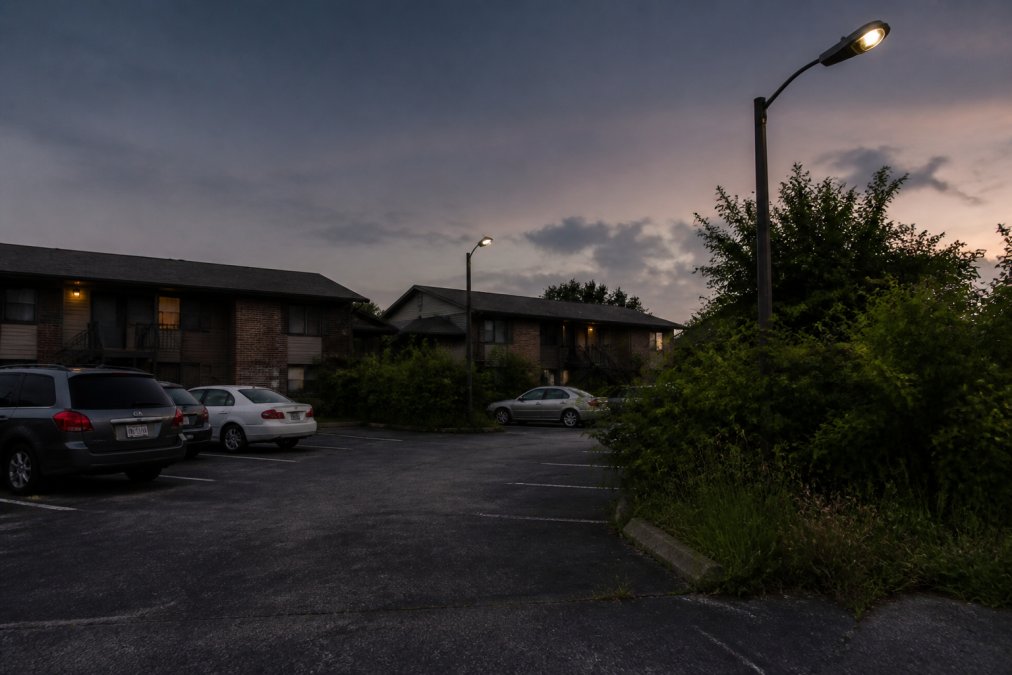
Broken or missing locks are the most straightforward example. Entry doors that don’t lock, mailbox locks that are broken, or sliding glass doors without functioning locks create obvious vulnerabilities. If a criminal entered through a lock you reported as broken, the landlord’s failure to repair it is clear negligence.
Inadequate lighting in parking lots, hallways, and common areas enables criminal activity. Criminals prefer darkness. Burned-out lights that haven’t been replaced for weeks or months constitute negligence.
Absent or non-functional security cameras represent a significant gap. If the property has no cameras or cameras that don’t work, and a crime occurs, the landlord may be negligent, especially if prior incidents prompted the need for cameras.
No gated or controlled access allows anyone to enter freely. Properties in high-crime areas should have some access control. If the property is in a neighborhood with documented crime but has no gate, no security guard, and no entry system, negligence may apply.
Lack of security personnel in properties that warrant it is another example. Large complexes or those in high-crime areas may need security guards or patrols.
Overgrown landscaping and poor visibility create hiding spots for criminals. If bushes aren’t trimmed, creating blind spots near entrances or parking areas, the property owner has failed in their duty.
The key question courts ask: Would reasonable security measures have prevented this crime? If yes, negligence likely exists.
Schedule a Free Consultation →
Negligent Security Settlement Amounts and Damages
Damages in a negligent security lawsuit vary widely based on injury severity, jurisdiction, and specific circumstances.
Compensatory damages cover your actual losses. Medical expenses include emergency room bills, hospital stays, surgery costs, physical therapy, and ongoing treatment. Lost wages represent income you couldn’t earn due to your injury. If your injury prevents you from returning to your previous job, lost earning capacity becomes relevant.
Pain and suffering damages are more subjective. Courts consider the severity of your injury, the duration of pain, and the impact on your quality of life. A serious assault causing permanent injury commands higher pain and suffering awards than a minor incident.
Property damage may apply if your belongings were damaged during the incident. Punitive damages are available in some cases, particularly if the landlord’s conduct was grossly negligent or reckless. If the property owner ignored multiple prior incidents and had clear knowledge of the danger, punitive damages may be awarded to punish their behavior and deter similar negligence.
Settlement amounts depend heavily on jurisdiction, the strength of your evidence, and insurance coverage limits. Many cases settle without trial. An attorney can evaluate whether an offer is fair or if pushing toward trial is justified.
Statute of Limitations for Personal Injury Claims
The statute of limitations is a legal deadline for filing your negligent security lawsuit. Missing this deadline eliminates your right to sue, regardless of the strength of your case.
In most states, the statute of limitations for personal injury claims is two to three years from the date of injury. The clock starts on the date of the incident. Some states recognize a “discovery rule” exception, meaning the clock starts when you discover the injury, not when the incident occurred.
Filing before the deadline is essential. The lawsuit must be filed with the court, not just reported to the property owner or insurance company.
Evidence Collection and Your Next Steps
Collecting evidence immediately after a negligent security incident significantly strengthens your case. Time is critical, evidence deteriorates, memories fade, and witnesses become harder to locate.
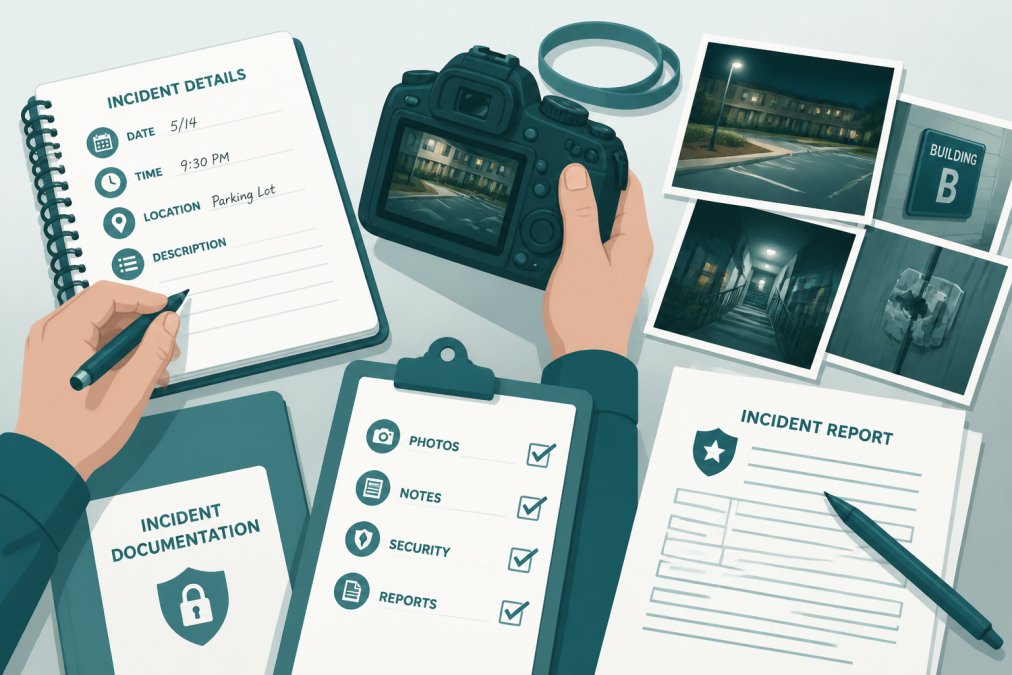
Document everything in writing. Write down what happened while details are fresh. Include the date, time, location, description of the incident, the criminal’s appearance (if known), and the exact injuries you sustained.
Photograph your injuries. Take clear photos of visible injuries immediately and again as they heal. These images powerfully demonstrate injury severity to insurance adjusters and juries.
Preserve the scene. Photograph the security failures, the broken lock, the non-functional light, the overgrown landscaping. These images prove negligence.
Request all reports. Obtain the incident report from property management, the police report, and any security reports filed. Secure medical records. Request complete medical records from every provider who treated you.
Identify witnesses. Get names and contact information from anyone who saw the incident or its aftermath. Preserve communications. Keep all emails, texts, and letters between you and the property owner or insurance company.
Request prior incident records. Ask the property owner for records of prior crimes on the property. If they refuse, your attorney can demand these records through the legal discovery process.
Consult an attorney early. The sooner you involve legal representation, the sooner evidence can be properly preserved and secured. Avoid detailed statements to insurance adjusters without legal counsel present.
Merritt & Merritt Law Firm offers immediate case evaluation and can begin evidence collection right away. With over 45 years of trial experience, our team understands what evidence courts require and how to build compelling cases. We investigate claims thoroughly to hold liable parties responsible and secure fair compensation. Contact us for a free consultation. Our attorneys can evaluate your case, explain your options, and guide you toward fair compensation. With 24-hour availability and the flexibility to meet you at home, office, or hospital, we’re here when you need us most. You pay only if we win.
Frequently Asked Questions
What are the four elements of a negligent security claim?
A negligent security lawsuit requires proving four elements: (1) the property owner owed you a duty of care, (2) they breached that duty through inadequate security measures, (3) their breach directly caused your injury or harm, and (4) you suffered actual damages. Each element must be proven to establish liability. Your attorney will gather evidence to demonstrate how the apartment complex failed to provide reasonable security measures that a prudent owner would have implemented.
What evidence is needed to prove negligent security?
Key evidence includes incident reports, police records, security camera footage, witness statements, maintenance records showing broken locks or lighting failures, prior crime reports at the property, and expert testimony on industry security standards. Documentation of your injuries, medical records, and photos of inadequate security features strengthen your case. Insurance adjuster communications and the property management's own security protocols can demonstrate what they knew versus what they provided.
How much compensation can you receive in a negligent security lawsuit?
Negligent security settlement amounts vary based on injury severity, medical expenses, lost wages, pain and suffering, and whether punitive damages apply. Settlements can range from thousands to hundreds of thousands of dollars depending on circumstances. Factors include permanent disability, ongoing treatment needs, and the property owner's negligence level. An experienced attorney evaluates your specific damages and negotiates accordingly with liability insurance carriers.
What is the statute of limitations for filing a personal injury claim?
The statute of limitations for personal injury claims, including negligent security cases, is typically two years from the date of injury. However, this deadline varies by state and specific circumstances. Some situations may qualify for exceptions that extend or shorten this timeframe. It's critical to consult an attorney immediately after your injury to ensure you don't miss the filing deadline, as waiting too long can bar your claim entirely.
Our Locations

Atlanta/Decatur
1 West Court Square
Suite 750
Decatur, GA 30030

Savannah
100 Bull Street
Suite 200
Savannah, GA 31401

Statesboro
15 West Main Street
Statesboro, GA 30458
Houston
1415 Louisiana Street,
Suite 1800,
Houston, TX 77002

Jacksonville
841 Prudential Drive
12th Floor
Jacksonville, FL 32207

Contact Us
© Copyright 2026 Merritt & Merritt Law Firm. All rights reserved.