
call us 24/7 1-800-738-WE-WIN
call us 24/7 1-800-738-WE-WIN
Serving All of Georgia, Florida, & Texas
5 Ways to Pay Medical Bills Without Car Insurance
Last Updated: November 8, 2026
Quick Summary
Yes, your medical bills may still be paid without car insurance. Your health insurance, the at-fault driver’s liability coverage, or a hospital financial assistance program may cover part or all of your care. Car insurance and health insurance are separate products, so losing one does not mean losing the other.
- Check whether your health insurance is active and whether it covers accident-related care.
- Look at your declarations page for medical payments (MedPay) or personal injury protection (PIP) coverage.
- Ask the hospital for its financial assistance policy and apply before the bill goes to collections.
- Request an itemized bill and check it for duplicate charges or services you never received.
- Get any payment agreement or negotiated discount in writing before you pay.
Table of Contents
- Why Car Insurance and Health Insurance Are Not the Same Thing
- Step 1: Check Your Health Insurance and Other Coverage Sources
- Step 2: Compare Medical Payments vs. PIP Auto Insurance
- Step 3: Ask Providers About Charity Care and Self-Pay Rates
- Step 4: Negotiate Medical Bills Without Insurance
- Step 5: Set Up a Medical Bill Payment Plan After an Accident
- Booking a Free Consultation to Review Your Options
- Frequently Asked Questions
Why Car Insurance and Health Insurance Are Not the Same Thing
Call the Merritt & Merritt Law Firm today at 404-975-1775. Offices in Atlanta, Savannah, Statesboro, and Houston.
If you were hurt in a crash and do not have car insurance, your medical bills do not disappear. Many people assume that no car insurance means no help at all. That is not always true. Your health insurance, your household’s coverage, or the other driver’s insurer may still pay part or all of your care.
Car insurance is a contract that covers property damage and, in some cases, injuries tied to a vehicle. Learn how permissive use works and whose policy pays after a crash when a friend drives your vehicle, in Does my car insurance cover friends driving my vehicle?. Allstate’s explainer on what medical payments coverage is describes how this type of auto coverage works as one possible payment source.
Key differences to keep in mind:
- Car insurance may pay for injuries if you were in the vehicle and the policy includes medical coverage.
- Health insurance pays for medical care regardless of whether you were driving or where the injury happened.
- Lacking one does not mean lacking the other. You may still have health coverage.
Step 1: Check Your Health Insurance and Other Coverage Sources
The phrase “without car insurance” hides two very different situations, and the right next move depends on which one you are in. Work through this decision tree before you call anyone.
Situation A: You have health insurance but no auto policy. This is the most common case, and it is the easier one.
Situation B: You have no health insurance but you do have an auto policy. Check your declarations page for medical payments coverage (MedPay) or personal injury protection (PIP).
Situation D: You are covered under someone else’s policy. A spouse’s, parent’s, or partner’s health plan may cover you even if you are not the policyholder.
Who Pays Medical Bills After a Car Accident
Several parties may be responsible, and the order matters because health plans and auto insurers often have coordination-of-benefits rules that decide who pays first.
- Your health insurance typically pays first for medical care, then may seek reimbursement from any liability settlement.
- Your own auto policy may pay through MedPay or PIP, sometimes before or alongside health coverage depending on the policy’s coordination clause.
- The at-fault driver’s liability insurance pays as part of a claim, usually after you have documented your injuries and costs.
- Medicare or Medicaid may apply if you are enrolled, with Medicare generally requiring that providers bill it before pursuing you.
- You may be responsible for deductibles, coinsurance, and any balance no source covers.
According to the Centers for Medicare & Medicaid Services guidance on medical bill rights when not using insurance, providers generally must give patients without health insurance an estimate of expected costs.
Keep a simple coverage log: the plan or policy name, the member or policy number, the claim number, the date you called, and the name of the representative.
Step 2: Compare Medical Payments vs. PIP Auto Insurance
If you do have car insurance, two coverage types may pay your medical bills. They work differently, so it helps to know which one your policy includes.
Medical payments coverage (MedPay) pays medical bills for you and your passengers after a crash, usually regardless of fault.
Personal injury protection (PIP) covers medical costs and sometimes lost income, again regardless of fault. PIP requirements vary by state, and some states do not require it at all.
Check your declarations page to see whether either coverage is listed. Our Florida car accident injury claims guide explains PIP requirements, deadlines, and settlement timelines.
Step 3: Ask Providers About Charity Care and Self-Pay Rates
If you have no coverage that pays your bills, do not assume you must pay the full sticker price. Some hospitals and providers offer financial assistance programs, and you should ask whether one is available to you. The catch is that almost none of them volunteer it, you have to ask, and you have to ask in the right order.

How to Apply for Hospital Charity Care
- Ask for the financial assistance policy in writing. Ask the hospital whether it has a financial assistance policy. Request the policy, the application form, and any plain-language summary it provides. If staff hesitate, ask for the patient financial services department by name.
- Apply before the bill goes to collections. Some programs may not erase a debt that has already been sold, so it is wise to file as soon as you receive the first statement.
- Gather the documents the application requires. A common list includes recent pay stubs, the prior year’s tax return, bank statements, proof of any public benefits, and a signed attestation of household income. Missing documents can be a reason applications are denied.
- Submit and get a receipt. Send the application by a method that proves delivery, and ask for a written acknowledgment with a decision timeline.
- Appeal a denial. Most policies include an appeal step. If an application is denied, check whether a documentation gap caused it, and resubmit with any missing records.
Watch out: Some hospitals may apply charity care screening only after billing at the full rate, and balances already sent to a collection agency may not qualify for a discount. Ask explicitly whether the account is still with the hospital or has been placed with an outside agency. (Source: the U.S. Department of Health & Human Services)
How to Negotiate Self-Pay Rates
Patients paying without insurance may be billed at rates higher than what insurers pay for the same service. A self-pay discount closes part of that gap, and it is negotiable.
- Request an itemized bill, not a summary statement. The itemized version lists each charge, code, and date of service.
- Ask for the self-pay rate in writing and compare it to the amount on the bill.
- Ask what Medicare would pay for the same services. That figure is a useful anchor, and billing staff can usually see it in their system.
- Propose a lump sum if you can pay part of the balance immediately, and ask whether the provider will accept it as payment in full.
- Get the agreement in writing before you pay, including the amount, the date, and confirmation that the remaining balance is waived.
A calm, documented request works better than ignoring the bill. Keep copies of every application, letter, and email, and note the name of each person you speak with.
Medical Billing Protections and Dispute Procedures
You have more leverage than most patients realize. Federal law may provide protections for uninsured patients, including estimates of expected charges. Check the official guidance from the relevant federal agency on the current rules and dispute process.
If you find an error, dispute it in writing with the billing department and keep a copy. If the provider will not correct an obvious error, ask for the supervisor of patient financial services and, where applicable, file a complaint with your state’s attorney general or insurance regulator.
Before agreeing to a bill, compare the main options for reducing what you owe.
Option | Best for | Key step |
|---|---|---|
Hospital charity care | Patients with limited income | Apply before the bill goes to collections |
Self-pay rate negotiation | Patients paying without insurance | Request an itemized bill first |
Prompt-pay or lump-sum offer | Patients who can pay a set amount now | Get the agreement in writing |
Payment plan | Patients who cannot pay the full balance at once | Confirm the account stays out of collections |
Billing error dispute | Itemized bills with duplicate or incorrect charges | Dispute in writing and keep a copy |
Step 4: Negotiate Medical Bills Without Insurance
Medical bills may be negotiable, especially when you pay in full or agree to a payment plan. A calm, documented request works better than simply ignoring the bill.
Try these steps:
- Request an itemized bill and review it line by line.
- Look for duplicate charges, services you did not receive, or incorrect codes.
- Ask for a self-pay or prompt-pay discount.
- Propose a lump-sum payment amount and ask if the provider will accept it.
- Get any agreement in writing before you pay.
If an insurance adjuster is involved in your claim, be cautious about accepting any figure quickly. Adjusters may negotiate pain and suffering payouts, and a first offer may be lower than what a claim is worth. Read how adjusters calculate damages and what evidence matters in Do insurance adjusters negotiate pain and suffering payouts?.
Step 5: Set Up a Medical Bill Payment Plan After an Accident
If you cannot pay a large bill at once, ask for a payment plan. Most providers will set one up if you contact them early and explain your situation.
A typical plan includes:
- A monthly payment amount you can afford, not the minimum the provider offers.
- A written agreement showing the total balance, the payment schedule, and any interest.
- Confirmation that the account will not go to collections while you make payments.
Be aware that a pending injury claim may affect how providers handle your account. If you are involved in litigation, this guide on handling medical bills during pending litigation explains how to manage bills while your case is still open.
Booking a Free Consultation to Review Your Options
Every accident is different, and the right payment strategy depends on your coverage, who was at fault, and the total cost of your care. You pay only if we win. Schedule a free consultation with our car accident attorneys to talk through your options before you agree to any settlement.
Frequently Asked Questions
Can I get my medical bills paid if I don’t have car insurance? Yes, in many cases.
Does health insurance cover car accident injuries? Often, yes. Most health plans cover accident-related care, though they may later seek reimbursement from any settlement you receive.
What is the difference between MedPay and PIP? Both pay medical bills regardless of fault.
Can I negotiate a hospital bill after an accident? Often, yes.
Should I talk to an insurance adjuster before getting legal advice? Be careful. Adjusters may request recorded statements or quick signatures.
Frequently Asked Questions
Is it cheaper to pay medical bills without insurance?
Not always. Uninsured patients may be billed higher prices than insured patients pay. However, many hospitals offer self-pay discounts, charity care for qualifying patients, and payment plans. Ask the provider for an itemized bill and a good faith estimate before agreeing to any charges. Comparing these options against the full billed amount can show whether paying without insurance is manageable for your situation.
Can the other driver’s insurance pay my medical bills?
It may. If the other driver was at fault, their liability coverage generally pays for injuries you suffered, which can include medical bills. Liability coverage pays the injured party’s claim rather than your own medical costs directly, so the process often runs through an insurance claim or a personal injury claim. Limits and fault disputes can affect how much is paid, so keep records of all treatment and expenses from the start.
How do people afford medical bills after a car accident?
Common approaches include using health insurance if you have it, applying medical payments or personal injury protection coverage if your own policy includes it, requesting charity care or self-pay discounts from providers, negotiating reduced balances, and setting up a payment plan. Each option has different eligibility rules and timelines. Your state’s rules and your specific policy terms determine which options apply, so confirm them with your insurer and providers.
What should I do if I can’t afford my accident medical bills?
Do not ignore the bills. Contact each provider’s billing office, request an itemized statement, ask about financial assistance and self-pay rates, and propose a payment plan you can keep. Keep written records of every call and agreement. If a bill is sent to collections or you face disputes over fault or coverage, a qualified attorney can review your options. Consulting a professional early can help protect your claim and your rights.

Our Locations

Atlanta/Decatur
1 West Court Square
Suite 750
Decatur, GA 30030

Savannah
100 Bull Street
Suite 200
Savannah, GA 31401
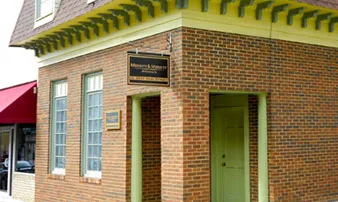
Statesboro
15 West Main Street
Statesboro, GA 30458
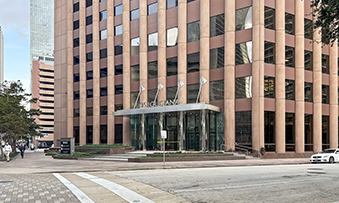
Houston
1415 Louisiana Street,
Suite 1800,
Houston, TX 77002

Jacksonville
841 Prudential Drive
12th Floor
Jacksonville, FL 32207

Contact Us
© Copyright 2026 Merritt & Merritt Law Firm. All rights reserved.