
call us 24/7 1-800-738-WE-WIN
call us 24/7 1-800-738-WE-WIN
Serving All of Georgia, Florida, & Texas
Does My Car Insurance Cover Friends Driving My Vehicle?
Table of Contents
- How Permissive Use Car Insurance Works When You Lend Your Keys
- Does Car Insurance Follow the Car or the Driver?
- Who Is Covered Under the Vehicle Owner’s Policy
- Friend Crashed My Car: Whose Insurance Pays?
- What to Do After Someone Crashes Your Car
- How a Friend’s Crash Affects Your Record and Premium
- Frequently Asked Questions
Last Updated: October 12, 2026
How Permissive Use Car Insurance Works When You Lend Your Keys
Call the Merritt & Merritt Law Firm today at 404-975-1775. Offices in Atlanta, Savannah, Statesboro, and Houston.
Yes, your car insurance usually covers a friend who drives your vehicle with your permission. This is called permissive use, and it’s a standard part of most auto insurance policies in the United States.
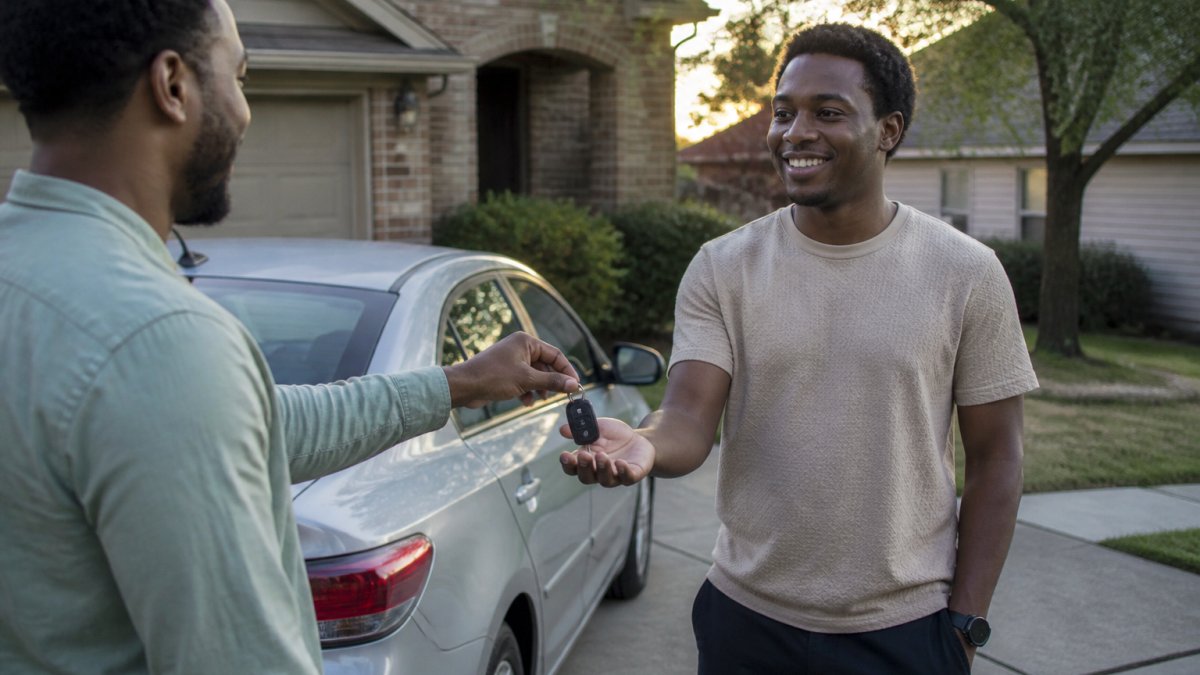
Here’s the catch most people miss: your friend needs to be a truly occasional driver.
Below, we’ll show you exactly how permissive use works, who pays after a crash, and what to do in the first hour after an accident.
Verbal Consent and the Limits of Permission
Permission does not have to be written down. In most cases, a simple “sure, take my car” counts as consent.
But permission has limits. If your friend lets someone else drive, that second driver may not be covered at all. Permission usually does not transfer.
Also, permission can expire.
The Insurance Information Institute’s guide to auto insurance basics notes that coverage depends heavily on the specific terms of your policy, so read yours before you assume anything.
Does Car Insurance Follow the Car or the Driver?
Car insurance generally follows the car first, not the driver. This is the core rule behind most claims involving a borrowed vehicle.
That means your policy is the first one on the hook when your friend crashes your car. Their own insurance usually steps in only after yours is exhausted.
But this rule has exceptions:
- If your friend is an excluded driver on your policy, your coverage may not apply at all
- If your friend was using the car for business, like delivering food, your personal policy may deny the claim
- If your friend took the car without permission, your policy may treat it as theft or unauthorized use
Occasional Use Versus Regular Use
Occasional use is exactly what it sounds like: your friend borrows your car once in a while.
Regular use is different. If your friend drives your car several times a week, your insurer may argue they should have been added as a listed driver.
A common mistake is assuming “they have their own insurance, so it’s fine.” That is not how most policies work.
If your friend uses your car often, call your insurer and ask about adding them. It costs less than a denied claim.
Who Is Covered Under the Vehicle Owner’s Policy
Your policy typically covers you, any listed drivers, and household members you’ve named. It also extends to permissive users in most cases.
But insurers divide drivers into clear categories, and the category decides everything.
Listed, Household, and Excluded Drivers
Listed drivers are named on your policy. They are covered.
Household members who live with you usually need to be listed. Some policies cover them automatically, but many require disclosure.
Excluded drivers are the opposite. You or your insurer has specifically removed them from coverage. If an excluded driver crashes your car, your policy will likely deny the claim entirely.
According to the National Association of Insurance Commissioners, states set their own rules for how policies must handle drivers and exclusions, so the details vary depending on where you live.
Friend Crashed My Car: Whose Insurance Pays?
When a friend crashes your car, your insurance usually pays first. Their policy typically becomes secondary coverage.
Schedule a Free Consultation →
Here’s the order of operations after a crash:
- Your policy responds first, up to your limits
- Your friend’s policy steps in if your limits are exhausted
- If neither policy covers the full damage, the at-fault driver may be personally responsible
That third point matters. If your friend caused serious injuries and your limits are low, your friend could face a personal claim for the difference.
Which Policy Pays First After a Crash
The vehicle owner’s policy is primary in most states. The driver’s own insurance is secondary.
This surprises people. Most assume the driver’s policy handles everything because they caused the crash. But insurance is tied to the car first, which is why your coverage takes the first hit.
If your state follows a different rule, the outcome can change. That’s why reading your actual policy wording matters more than trusting general advice.
What to Do After Someone Crashes Your Car
Act fast and document everything. The first 24 hours often decide how smoothly your claim goes, and because two policies may be in play, the owner and the driver have overlapping but distinct jobs.
The First Hour: Safety, Scene, and Reporting
Do these things in order:
- Move to a safe location if the vehicles are drivable; if anyone is injured or the vehicles block traffic, leave them where they are and call 911
- Call 911 if there are injuries, a hit-and-run, a suspected impaired driver, or significant property damage. Many states require a police report above a certain damage threshold, and some require it for any injury
- Photograph all vehicles from multiple angles, the position of the cars, skid marks, road conditions, injuries, and the other driver’s license plate and insurance card
- Exchange names, phone numbers, addresses, driver’s license numbers, and insurance details with the other driver, but do not discuss fault at the scene
- Collect names and contact information from any witnesses before they leave
- Note the time, weather, and location, and write down what happened while your memory is fresh
The First Day: Notifications and Claim Filing
- Notify your insurer right away, even if you are unsure about fault. Most policies require prompt notice, and delay is one of the most common reasons a claim gets contested
- Tell your friend not to give a recorded statement to any adjuster, theirs or yours, before speaking with an attorney
- File the police report if the responding officer did not, and get the report number
- Keep every medical record, repair estimate, tow receipt, and rental car receipt
- If the other driver’s insurer calls, refer them to your insurer and do not speculate about fault
Who Does What: Owner vs. Driver
The owner’s job is to open the claim on the vehicle policy and preserve the policy documents, declarations page, and any prior correspondence with the insurer about who is allowed to drive.
If the insurer later argues the friend was a regular or excluded driver, the owner’s records, texts granting permission, dates of prior loans, and the policy’s driver list, become the evidence that decides the dispute.
When to Call a Lawyer
If anyone was hurt, if fault is disputed, if the insurer hints at a coverage denial, or if the other side has retained counsel, talk to a lawyer before signing anything. A consultation can protect you from a lowball offer or a personal exposure claim.
How a Friend’s Crash Affects Your Record and Premium
A claim on your policy usually follows your policy, not your friend’s. That means your premium can rise even though you were not driving, and the size of that increase depends on factors most drivers never think about until renewal.
The Mechanism: Claims History, Not Blame
Insurers rate on risk, not moral fault. When your vehicle is involved in an at-fault crash, the claim is recorded against your policy and your claims history. At renewal, the insurer re-rates the policy using that history, and the new premium reflects the added risk.
Three variables drive how much:
- At-fault vs. not-at-fault. A not-at-fault claim is often treated more leniently, and some states restrict an insurer’s ability to surcharge for it. An at-fault claim is the one that typically moves the rate.
- Surcharge schedule. Most insurers apply a surcharge for a set period, commonly a few years, and the percentage depends on the claim amount, the number of prior claims, and the insurer’s filed rating plan.
- Accident forgiveness. Many insurers offer an accident-forgiveness feature that waives the surcharge for a first at-fault accident after a claim-free period. Eligibility rules vary, so check whether your policy includes it before you assume you are protected.
Owner vs. Driver Consequences
The owner’s policy absorbs the primary claim, so the owner’s premium is the one most likely to change. The friend’s policy is secondary, and whether their rate moves depends on their insurer, their state, and whether the claim is reported to them at all. A common pattern is that the owner sees a surcharge at renewal while the friend sees nothing, which is why the favor can feel one-sided.
When the Claim Is Denied
A denied claim can hurt more than an approved one. If your insurer denies coverage because your friend was an excluded driver, a regular user who should have been listed, or was using the car for business, the other party may pursue you or your friend personally for the damage. That exposure is not a premium issue, it is an out-of-pocket liability issue, and it is the scenario worth losing sleep over.
What You Can Do Before and After
- Before lending: confirm your friend is not excluded, is not a household member who should be listed, and is not using the car for delivery or rideshare
- After a crash: report promptly, cooperate fully, and keep records of the permission you gave
- At renewal: ask your agent how the claim is being rated and whether accident forgiveness applies
- If you are facing a dispute over who pays after a crash, the official USA.gov resource on filing insurance complaints can point you toward your state’s consumer protection office
Frequently Asked Questions
Whose insurance covers if a friend drives my car?
In most cases, your car insurance is the primary coverage because the policy follows the vehicle. If your friend has permission to drive and is not an excluded driver, your liability, collision, and comprehensive coverage typically apply first. Your friend’s own auto insurance may act as secondary coverage if your policy limits are exhausted. If your friend was driving without permission or is listed as an excluded driver on your policy, your insurer may deny the claim entirely.
Can I let a friend drive my car if they have their own insurance?
Yes, but your policy usually pays first. Your friend’s insurance typically responds only after your coverage limits are used up. Permissive use car insurance generally extends to a friend with your permission, even if they have their own policy. However, if your friend is a regular user of your vehicle, your insurer may expect them to be added as a listed driver. Always check your policy terms before lending your keys.
What happens if an uninsured friend drives my car and crashes?
If your uninsured friend has permission to drive and is not excluded from your policy, your coverage generally still applies. Your liability and collision coverage would respond to the accident. If your policy limits are not enough to cover the damage or injuries, you could be personally responsible for the excess. Uninsured motorist coverage on your policy may also come into play if the other driver was at fault and uninsured.
Should I add a friend who regularly drives my car to my policy?
Yes. If a friend uses your vehicle regularly, most insurers require you to list them as a driver. Regular use usually means they drive your car several times a week or have access to it on an ongoing basis. Failing to list a regular driver can lead to a denied claim after an accident. Adding a driver may raise your premium, but it protects you from a coverage gap when it matters most.
A crash involving a borrowed car gets messy fast. Coverage arguments, competing insurers, and injury claims can overwhelm anyone. At Merritt & Merritt Law Firm, we bring over 45 years of trial experience to cases just like yours. We offer 24-hour service, and our attorneys can meet you at your home, office, or hospital. You pay only if we win. Schedule a free consultation and let us handle the insurance fight while you focus on recovery.
Our Locations

Atlanta/Decatur
1 West Court Square
Suite 750
Decatur, GA 30030

Savannah
100 Bull Street
Suite 200
Savannah, GA 31401
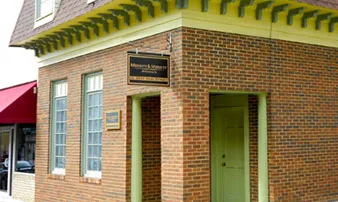
Statesboro
15 West Main Street
Statesboro, GA 30458
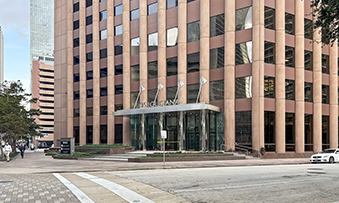
Houston
1415 Louisiana Street,
Suite 1800,
Houston, TX 77002

Jacksonville
841 Prudential Drive
12th Floor
Jacksonville, FL 32207

Contact Us
© Copyright 2026 Merritt & Merritt Law Firm. All rights reserved.