
call us 24/7 1-800-738-WE-WIN
call us 24/7 1-800-738-WE-WIN
Serving All of Georgia, Florida, & Texas
Slip and Fall Injury Claim Process in Florida: 2026 Guide
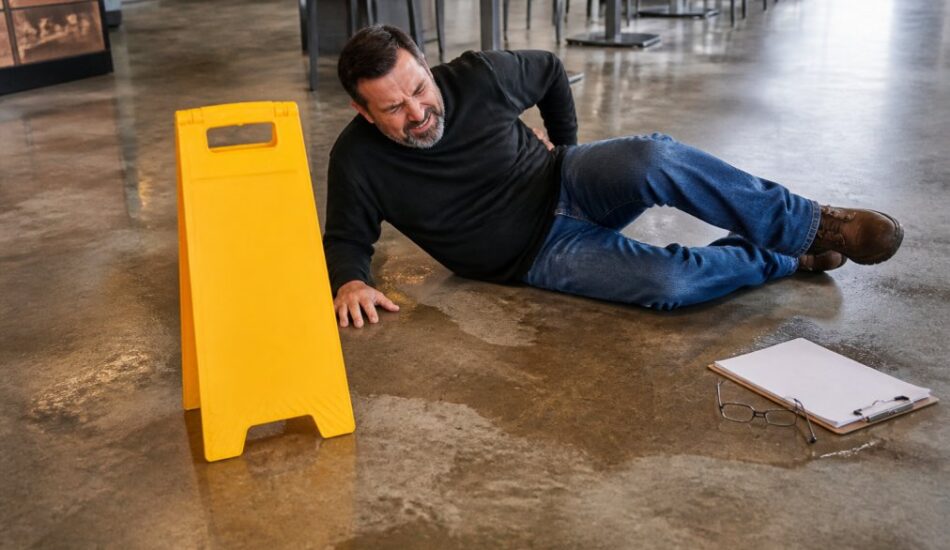
Table of Contents
- What to Do After a Slip and Fall Accident: First Steps
- Proving Negligence in Slip and Fall Cases
- Statute of Limitations for Personal Injury in Florida
- Business vs. Private Property Claims: What Changes
- The Slip and Fall Injury Claim Process in Florida: Step by Step
- How Settlement Value Is Determined in a Slip and Fall Claim
- Common Mistakes That Hurt Your Slip and Fall Claim
- Frequently Asked Questions
Last Updated: September 16, 2026
What to Do After a Slip and Fall Accident: First Steps
The hours after a fall shape everything that follows. According to the National Safety Council’s injury statistics, falls remain one of the leading causes of unintentional injury in the country, and how you respond in the first 24 hours often determines whether a slip and fall claim succeeds or stalls. (Source: National Safety Council’s injury statistics)
Here’s the uncomfortable truth: insurance adjusters start building their file before you’ve finished at the emergency room. Every action you take (or skip) becomes evidence. Strong claims can weaken if someone waits to see a doctor or lets a store manager “handle the paperwork.”
Below, we walk through what to do immediately, how to prove negligence, and how the full slip and fall claim process unfolds from incident report to settlement.
Report the Incident and Preserve the Hazard
Tell someone in authority before you leave the property. Ask that an accident report be created, and request a copy or the report number. If the hazard was a spill, a torn carpet, or uneven pavement, photograph it exactly as you found it. Items get cleaned up fast, and once the hazard is gone, your evidence preservation problem begins.
Seek Medical Care and Document Your Injuries
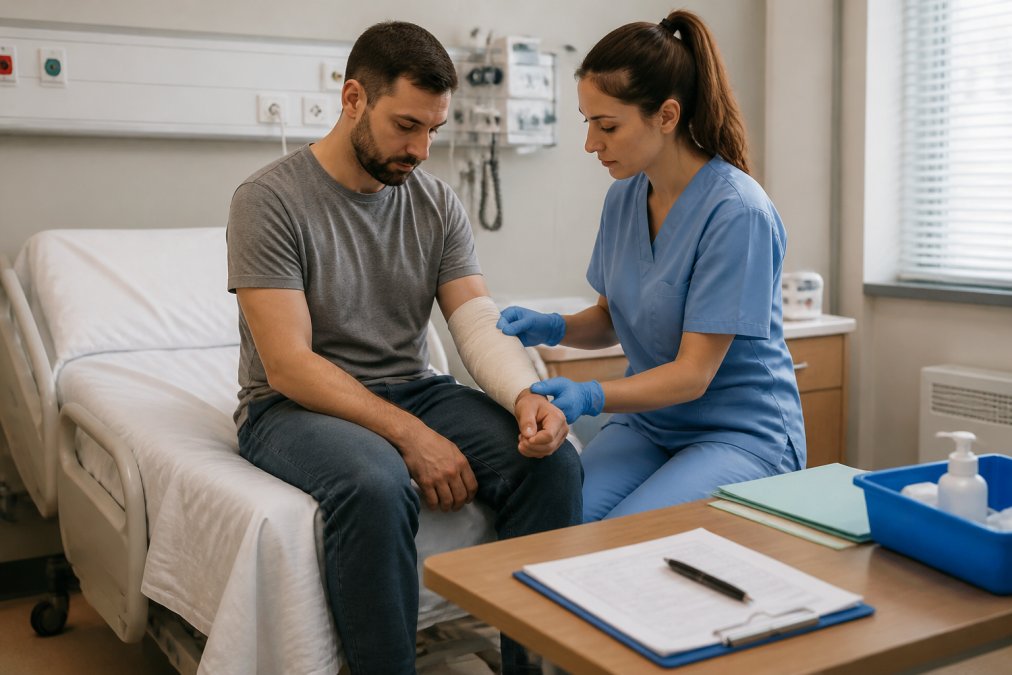
See a doctor the same day, even if you feel fine. Soft-tissue injuries often surface days later, and a gap in treatment gives the insurance adjuster an argument that your injury wasn’t serious. Keep every record: discharge papers, imaging, bills, and follow-up notes. These become your medical records and the backbone of your personal injury claim.
A common mistake is posting about the fall on social media. Defense attorneys routinely request those posts during the discovery process, and a photo of you hiking two weeks later can undercut a claim for pain and suffering.
Proving Negligence in Slip and Fall Cases
Negligence in a slip and fall case means the property owner failed to exercise reasonable care and that failure caused your injury. You don’t need to prove the owner intended harm, only that they knew, or should have known, about a dangerous condition and did nothing about it.
The Four Elements You Must Establish
To win a premises liability claim, you must establish all four:
- Duty of care – the owner owed you a reasonable standard of safety
- Breach – they failed to meet that standard
- Causation – that failure caused your fall
- Damages – you suffered real, documented losses
Miss any one element and the burden of proof defeats the claim, no matter how sympathetic the facts.
Comparative Negligence and Your Recovery
Many states use comparative fault, meaning your recovery is reduced by your share of responsibility. If a jury decides you were partially at fault for not watching where you walked, your award may be reduced by that amount. This is why witness statements and clear hazard photos matter: they can help establish fault.
Statute of Limitations for Personal Injury in Florida
The statute of limitations is the deadline for filing a lawsuit, and missing it usually ends the case permanently, no negotiation, no settlement, no second chance. For most negligence claims, including slip and fall, the filing window is measured in years from the date of the injury, but the exact figure is set by statute and can be amended, so confirm the current limit with the court or an attorney before you rely on any number you read online.
When the Clock Starts
The countdown generally begins on the date of the injury, not the date you realized how serious it was.
When the Deadline Gets Shorter
- Government-owned property. If you fell on a sidewalk, in a public building, or on other government property, you generally must file a formal notice of claim with the government entity within a much shorter window, often measured in months, not years, before you can even file suit. Miss the notice, and the claim is typically barred regardless of how strong it was.
- Notice provisions in private claims. Some commercial property owners and insurers require prompt written notice as a condition of coverage. Delay can give the insurer a coverage defense.
- Minors and incapacity. If the injured person was a child or lacked legal capacity, special tolling rules may apply, but they are fact-specific and should never be assumed.
Why the Deadline Is Not Your Real Deadline
If a government entity may own or maintain the property where you fell, a sidewalk, a parking lot, a public stairwell, assume the short notice deadline applies and act immediately. That single assumption protects more claims than any other habit.
What to Do With This Information
Do not try to calculate your own deadline from a blog post.
Schedule a Free Consultation →
Business vs. Private Property Claims: What Changes
A claim against a business and a claim against a homeowner follow different paths.
The Slip and Fall Injury Claim Process in Florida: Step by Step
The slip and fall injury claim process in Florida moves through predictable stages.
Evidence Collection and the Role of Surveillance Footage
Request the store’s maintenance and cleaning logs in writing. If a spill sat for an hour before anyone addressed it, that gap is powerful evidence of a breached duty of care, and the logs are the proof.
How Settlement Value Is Determined in a Slip and Fall Claim
| Factor | What It Covers | Why It Matters |
|---|---|---|
| Medical expenses | ER visits, imaging, surgery, therapy | Drives the base number |
| Lost wages | Missed work, reduced earning capacity | Easy to document, hard to dispute |
| Pain and suffering | Physical pain, emotional toll | Subjective, heavily negotiated |
| Liability strength | Clarity of the owner’s fault | Weak liability lowers every figure |
| Comparative fault | Your share of responsibility | Reduces the final award |
Common Mistakes That Hurt Your Slip and Fall Claim
Other frequent errors:
- Delaying medical treatment or skipping follow-up appointments
- Signing a quick settlement before your full injuries are known
- Failing to preserve surveillance footage before it’s overwritten
- Missing the statutory deadline for filing suit
- Assuming a minor fall means a minor claim
The single most important habit in a slip and fall case is consistency: see your doctors on schedule, keep every receipt, and avoid discussing the incident with anyone but your attorney.
If you’re in Georgia or Florida and unsure whether your case is worth pursuing, a free case evaluation costs nothing and clarifies your options. Merritt & Merritt Law Firm brings over 45 years of trial experience to slip and fall and premises liability claims, with 24-hour service and the option for an attorney to meet you at home, in the office, or at the hospital. You pay only if we win.
Frequently Asked Questions
What is the statute of limitations for a slip and fall claim in Florida?
Florida law sets a two-year statute of limitations for most personal injury claims, including slip and fall. The clock generally starts on the date of the accident. Missing this deadline can permanently bar your right to recover compensation, so contact an attorney promptly to confirm the exact filing date for your situation.
How does comparative negligence affect my slip and fall settlement in Florida?
Florida follows a modified comparative negligence rule. If you are found partially at fault, your compensation is reduced by your percentage of fault. This makes evidence gathering and witness statements critical, because the property owner’s insurer will try to shift blame onto you.
What evidence should I collect immediately after a slip and fall?
Photograph the hazard, the surrounding area, and your injuries. Get names and contact information from witnesses. Request an incident report from the property owner or manager. Keep your shoes and clothing unwashed. Save any surveillance footage requests in writing. These steps support proving negligence in slip and fall cases and give your attorney a stronger foundation.
How long does it take to settle a slip and fall case in Florida?
Most slip and fall claims resolve within several months to a year, depending on the severity of injuries and whether liability is disputed. Cases that require filing a lawsuit, discovery, and mediation can take longer. Your attorney can give you a realistic timeline after reviewing the facts and the insurance adjuster’s response.
Can I still recover if the property owner claims I was trespassing?
Florida premises liability law distinguishes between invitees, licensees, and trespassers. If you were lawfully on the property, the owner owed you a duty of care. Even if your status is disputed, an attorney can investigate the circumstances and identify whether the owner breached that duty, which is central to proving negligence.
What if the insurance adjuster asks me to give a recorded statement?
You are not required to give a recorded statement to the property owner’s insurance adjuster. Anything you say can be used to reduce or deny your claim. Politely decline and direct the adjuster to your attorney. If you have already given a statement, an attorney can still review your case and advise on next steps.
Do I need to file a lawsuit to get a fair settlement?
Not always. Many slip and fall claims settle through negotiation before a lawsuit is filed. However, if the insurer disputes liability or offers an unfair amount, filing a lawsuit may be necessary to protect your rights. Your attorney can evaluate whether litigation is the right path for your specific claim.
Our Locations

Atlanta/Decatur
1 West Court Square
Suite 750
Decatur, GA 30030

Savannah
100 Bull Street
Suite 200
Savannah, GA 31401

Statesboro
15 West Main Street
Statesboro, GA 30458

Houston
1415 Louisiana Street,
Suite 1800,
Houston, TX 77002

Jacksonville
841 Prudential Drive
12th Floor
Jacksonville, FL 32207

Contact Us
© Copyright 2026 Merritt & Merritt Law Firm. All rights reserved.