
call us 24/7 1-800-738-WE-WIN
call us 24/7 1-800-738-WE-WIN
Serving All of Georgia, Florida, & Texas
Hiring a Truck Accident Attorney for Wrongful Death

Table of Contents
- Why Hiring a Truck Accident Attorney for Wrongful Death Matters
- Understanding Wrongful Death Claims After a Truck Accident
- Statute of Limitations for Wrongful Death Claims
- Evidence Needed for Truck Accident Lawsuit Success
- Understanding the Wrongful Death Settlement Process
- How to Choose the Right Wrongful Death Attorney
- Immediate Steps After a Fatal Truck Accident
- Frequently Asked Questions
Last Updated: October 1, 2026
Why Hiring a Truck Accident Attorney for Wrongful Death Matters
When a commercial truck collision results in a fatality, families face overwhelming grief alongside complex legal and financial decisions. Hiring a truck accident attorney for wrongful death isn’t just about pursuing compensation, it’s about holding responsible parties accountable and ensuring your family’s future is protected. (Source: Federal Motor Carrier Safety Administration (FMCSA) regulations)
Truck accidents differ fundamentally from standard vehicle collisions. The size, weight, and force involved create catastrophic injuries. Federal regulations govern trucking companies, drivers, and cargo handling. Insurance companies deploy aggressive defense strategies. Without proper legal representation, grieving families often accept settlements far below what their claims are worth.
At Merritt & Merritt Law Firm, we’ve represented families through wrongful death claims resulting from tractor-trailer wrecks.
Understanding Wrongful Death Claims After a Truck Accident
A wrongful death claim arises when negligence or intentional conduct by another party directly causes someone’s death. In truck accidents, the at-fault party may be the driver, the trucking company, a maintenance contractor, a cargo loader, or multiple parties acting together.
Determining liability in commercial truck accidents
Liability in 18-wheeler accidents often involves multiple responsible parties. The truck driver may have violated hours-of-service rules, driven while fatigued, or operated the vehicle recklessly. The trucking company may have failed to maintain the big rig, hired an unqualified driver, or pressured the driver to meet unrealistic schedules. Cargo may have been improperly secured, causing the semi-truck to jackknife or tip.
Types of damages in wrongful death claims
Wrongful death damages compensate surviving family members for their losses. These fall into two categories: compensatory damages and punitive damages.
Compensatory damages include:
- Pecuniary damages: lost wages the deceased would have earned, lost benefits, funeral and medical expenses
- Non-pecuniary damages: loss of consortium (companionship and emotional support), loss of parental guidance, emotional pain and suffering experienced by survivors
Statute of Limitations for Wrongful Death Claims
Time is critical in wrongful death cases. Most states impose a statute of limitations, a deadline for filing a lawsuit. Missing this deadline typically bars your claim permanently.
Evidence Needed for Truck Accident Lawsuit Success
Successful wrongful death claims rest on solid evidence. The stronger your evidence, the more use you have in settlement negotiations and the better positioned you are for trial.
The Black Box (EDR) data recovery process
Modern commercial trucks contain an Electronic Data Recorder (EDR), commonly called the “black box”, that captures critical information at the moment of impact. This device records the truck’s speed, brake application, throttle position, steering input, and seatbelt status.
Evidence preservation and investigation
Beyond the black box, critical evidence includes:
- Driver logs and logbook records (proving hours-of-service violations)
- Maintenance and inspection records (showing deferred repairs or safety failures)
- Dispatch communications and GPS data (showing speed, route, and scheduling pressure)
- Toxicology reports (proving driver impairment)
- Witness statements and dashcam footage
- Weather and road condition reports
- Cargo manifests and weight records
- The truck’s inspection reports and safety compliance history
Accident reconstruction experts analyze physical evidence, skid marks, vehicle damage, final resting positions, to determine how the collision occurred and which party caused it.
Understanding the Wrongful Death Settlement Process
Most wrongful death claims settle before trial. Settlement offers families faster resolution and guaranteed compensation, while trials carry uncertainty but can result in larger awards.
Settlement vs. trial: what to expect
Settlement advantages: You receive compensation within months rather than years. You avoid the stress and unpredictability of trial. Settlement amounts are confidential, protecting your family’s privacy. You control the outcome through negotiation rather than leaving it to a jury. (Source: National Highway Traffic Safety Administration (NHTSA) data)
How to Choose the Right Wrongful Death Attorney
Not all attorneys have the experience to handle complex commercial truck accident wrongful death claims. Your choice of counsel directly impacts the compensation your family receives.
Schedule a Free Consultation →

Compassionate attorney consulting with a grieving family when hiring a truck accident attorney for wrongful death
Questions to ask potential attorneys
Before hiring, interview at least two or three attorneys. Ask these questions:
- How many wrongful death cases have you tried to verdict in the past five years?
- What is your experience with commercial trucking accidents specifically?
- Do you handle cases on a contingency fee basis (no fee unless you win)?
- Will you personally handle my case, or will it be assigned to another attorney?
- How do you calculate damages in wrongful death claims?
- What is your typical timeline from case acceptance to settlement or trial?
- Do you have relationships with accident reconstruction experts and forensic specialists?
- How will you communicate case progress to me?
- What is your settlement-to-trial ratio, and why?
Red flags to watch for
Avoid attorneys who:
- Pressure you to sign a retainer agreement before fully explaining your case
- Promise a specific settlement amount or outcome
- Avoid discussing contingency fees or suggest you’ll owe money upfront
- Lack specific experience with trucking accidents or wrongful death
- Cannot name expert witnesses they regularly work with
- Refuse to discuss their track record or case results
- Rush you through the initial consultation
- Seem more interested in quick settlement than thorough investigation
The right attorney listens carefully, asks detailed questions about the deceased and your family’s circumstances, and explains the legal process honestly, including realistic timelines and potential outcomes.
Immediate Steps After a Fatal Truck Accident
The hours and days following a fatal truck collision are critical. The actions your family takes, and doesn’t take, directly impact your legal claim.
Post-accident checklist for families
At the scene (if safe):
- Call 911 and request police response
- Move to safety if possible; do not remain in traffic
- Do not admit fault or apologize for the accident
- Document the scene with photos or video (vehicle positions, skid marks, debris, road conditions)
- Collect contact information from witnesses
- Request the police report number
In the immediate aftermath:
- Do not speak with insurance adjusters without legal counsel present
- Do not sign any documents from the trucking company or its insurer
- Do not post about the accident on social media
- Preserve all medical records, funeral bills, and related expenses
- Keep a journal documenting your grief, lost wages, and family impact
- Contact a truck accident attorney within days, not weeks
Legal steps:
- Consult with a wrongful death attorney before speaking with insurance
- Request preservation of the truck’s black box data and all records
- Obtain the police accident report
- Gather the deceased’s employment records, tax returns, and financial documents
- Collect photographs and videos of the accident scene and vehicle damage
Insurance adjusters contact families quickly, often within hours of a fatal accident. They may seem sympathetic while subtly gathering information to minimize the company’s liability. Never discuss the accident, your family’s finances, or your grief with an adjuster without your attorney present.
Emotional and psychological support resources
Wrongful death creates trauma beyond legal and financial concerns. Surviving family members often experience complicated grief, PTSD, depression, and anxiety.
Seek professional support:
- Grief counseling: Individual or group therapy with counselors specializing in traumatic loss
- Support groups: Organizations like GriefShare or local hospice bereavement programs connect families with others who’ve experienced similar losses
- Mental health services: Psychiatrists and psychologists can prescribe medication if needed
- Crisis hotlines: The 988 Suicide and Crisis Lifeline (call or text 988) provides immediate support
- Employee assistance programs (EAP): If the deceased or surviving spouse worked, employer EAP often covers grief counseling
- Faith-based support: Religious organizations and chaplains provide spiritual guidance
Step | Timeline | Action |
|---|---|---|
Immediate (0-24 hours) | First day | Contact attorney; preserve evidence; avoid insurance adjusters |
Initial consultation | 1-3 days | Meet with attorney; discuss case details; review retainer agreement |
Investigation phase | 2-6 weeks | Attorney collects records, secures black box data, hires experts |
Demand letter | 4-8 weeks | Attorney sends detailed demand to insurance company |
Negotiation | 2-4 months | Settlement discussions; counter-offers; case evaluation |
Settlement or trial prep | 3-12 months | Finalize settlement or prepare for trial |
Frequently Asked Questions
What evidence is critical in a truck accident wrongful death lawsuit?
Critical evidence includes the truck’s black box (EDR) data, driver logbooks, maintenance records, witness statements, police reports, and toxicology results. Accident reconstruction reports from expert witnesses are essential to establish negligence. Preserving evidence immediately after the crash is vital, as trucking companies may destroy or alter records. Your attorney will subpoena electronic data, cargo documentation, and the truck’s safety inspection records to build a strong case.
How long does the wrongful death settlement process typically take?
The wrongful death settlement process varies significantly based on case complexity, liability clarity, and insurance company cooperation. Simple cases may settle within months, while complex commercial truck accidents often take 1-3 years. Settlement negotiations begin after investigation and demand letters are sent. If the case goes to trial, expect additional time. Your attorney will provide realistic timelines after reviewing your specific circumstances and the parties involved.
What is the statute of limitations for wrongful death claims?
The statute of limitations for wrongful death claims varies by state. In Georgia, the deadline is generally two years from the date of death. In Florida, it is also two years. These deadlines are strict—missing them bars you from filing a lawsuit entirely. The clock starts on the date of death, not the date of the accident. Consulting an attorney immediately after a fatal truck accident ensures you preserve your legal rights and meet all filing deadlines.
What makes hiring a truck accident attorney for wrongful death different from handling a standard car accident claim?
Wrongful death claims from truck accidents are significantly more complex than standard car accident cases. Commercial trucks are subject to federal regulations (FMCSA compliance, logbook rules, cargo securement standards) that personal vehicles are not. Multiple parties may be liable: the driver, trucking company, cargo loader, or manufacturer. Damages are calculated differently, including loss of consortium and pecuniary losses for surviving family members. Insurance coverage limits are higher, requiring aggressive negotiation. An experienced wrongful death attorney understands these complexities and how to hold all liable parties accountable.
Our Locations

Atlanta/Decatur
1 West Court Square
Suite 750
Decatur, GA 30030

Savannah
100 Bull Street
Suite 200
Savannah, GA 31401
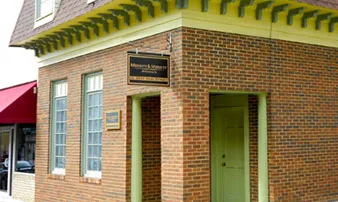
Statesboro
15 West Main Street
Statesboro, GA 30458
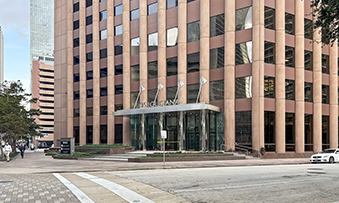
Houston
1415 Louisiana Street,
Suite 1800,
Houston, TX 77002

Jacksonville
841 Prudential Drive
12th Floor
Jacksonville, FL 32207

Contact Us
© Copyright 2026 Merritt & Merritt Law Firm. All rights reserved.