
call us 24/7 1-800-738-WE-WIN
call us 24/7 1-800-738-WE-WIN
Serving All of Georgia, Florida, & Texas
Common Mistakes That Lower Truck Accident Settlements

Quick Summary
Common mistakes that lower truck accident settlements include accepting an early offer, delaying medical care, and giving an unprepared recorded statement. Truck claims also lose value when time-sensitive records such as electronic logging device data and camera footage are not preserved quickly.
- Insurers often make a quick first offer based on incomplete information about your injuries.
- Gaps in treatment are a frequent reason insurers reduce a claim, even when the injury was real.
- Send a written preservation request early for ELD data, event recorder data and camera footage.
- Recorded statements are not required, and admitting fault or guessing can be used against you.
- Confirm the Georgia personal injury filing deadline, since missing it can end your right to sue.
Table of Contents
- How Early Mistakes Shape the Value of a Truck Accident Claim
- Factors Affecting Truck Accident Settlement Amounts
- Mistakes at the Crash Scene and in Evidence Gathering
- Delaying or Skipping Medical Care
- Giving Recorded Statements and Admitting Fault
- Insurance Adjuster Tactics After Truck Accidents and How to Respond
- Missing the Statute of Limitations for Personal Injury in Georgia
- Booking Your Free Consultation Before You Accept Any Offer
- Frequently Asked Questions
How Early Mistakes Shape the Value of a Truck Accident Claim
Last Updated: November 6, 2026
Many truck accident claims lose value in the first days after the crash, often before the injured person has spoken to a lawyer. Common mistakes that lower truck accident settlements include accepting an early offer, delaying medical care, and giving an unprepared recorded statement. These early decisions can shape the rest of a claim, which is why this guide walks through them in order. (Source: National Highway Traffic Safety Administration (NHTSA) data)
Truck accident claims are often larger and more complex than ordinary car crashes. Commercial vehicles are heavier, the carriers involved are often well-resourced, and several parties may share responsibility. That complexity means small early errors can have outsized effects on the final number.
A common approach is to treat the first week as the period that matters most. Insurers frequently make their first offer quickly, and that offer is often built on incomplete information about your injuries.
Factors Affecting Truck Accident Settlement Amounts
Settlement value depends on the strength of liability evidence, the severity and documentation of injuries, and the financial losses that follow. You can compare these against typical truck accident settlement ranges by injury severity. Medical expenses, lost wages, and future care needs are typically part of that calculation. Pain and suffering and loss of enjoyment of life are also considered, though they are harder to quantify.
How the Number Is Actually Built
A truck accident claim is often considered in two categories: economic damages and non-economic damages. Economic damages are the documented out-of-pocket and future losses, such as:
- Past and future medical expenses, including surgery, rehabilitation, and prescription costs
- Lost income and reduced earning capacity if the injury affects your ability to work
- Out-of-pocket costs such as transportation to appointments and home modifications
Non-economic damages cover pain, suffering, emotional distress, and loss of enjoyment of life. These are harder to document, which is why a symptom journal and consistent medical records matter.
Factors That Move the Number Up or Down
- Documented injuries: Consistent medical records tie your injuries to the crash.
- Clear liability: Evidence showing which party caused the crash supports a stronger demand.
- Time away from work: Records of lost income are easier to present than estimates.
- Gaps in treatment: Long delays between crash and care can be used to argue injuries were not serious.
- Comparative fault: If you are found partly at fault, your recovery may be reduced under the rules that apply in your state.
Watch out: A gap in treatment is one of the most frequent reasons an insurer reduces a claim, even when the injury was real.
Multiple Potentially Liable Parties
A truck crash can involve more than the driver. The motor carrier may be liable for hiring, training, or scheduling practices. A cargo loader may share fault if an overload or shift in cargo caused the crash. A maintenance provider may be responsible for brake or tire failures. Each additional party can add insurance coverage and complicate the investigation, so identifying them early affects both liability and the settlement range.
Why the Release Terms Matter
A settlement offer is not just a number. The release you sign typically ends your right to seek more money later, and it may interact with health insurance liens or unresolved medical needs. Before accepting, confirm that future care is accounted for and that you understand what claims the release gives up.
Mistakes at the Crash Scene and in Evidence Gathering
Evidence gathered at the scene often carries more weight than evidence gathered later. Truck crashes also generate records that disappear quickly, including electronic logging device data, dashcam footage, and maintenance histories. Preserving these early matters, and some of them are on a clock.
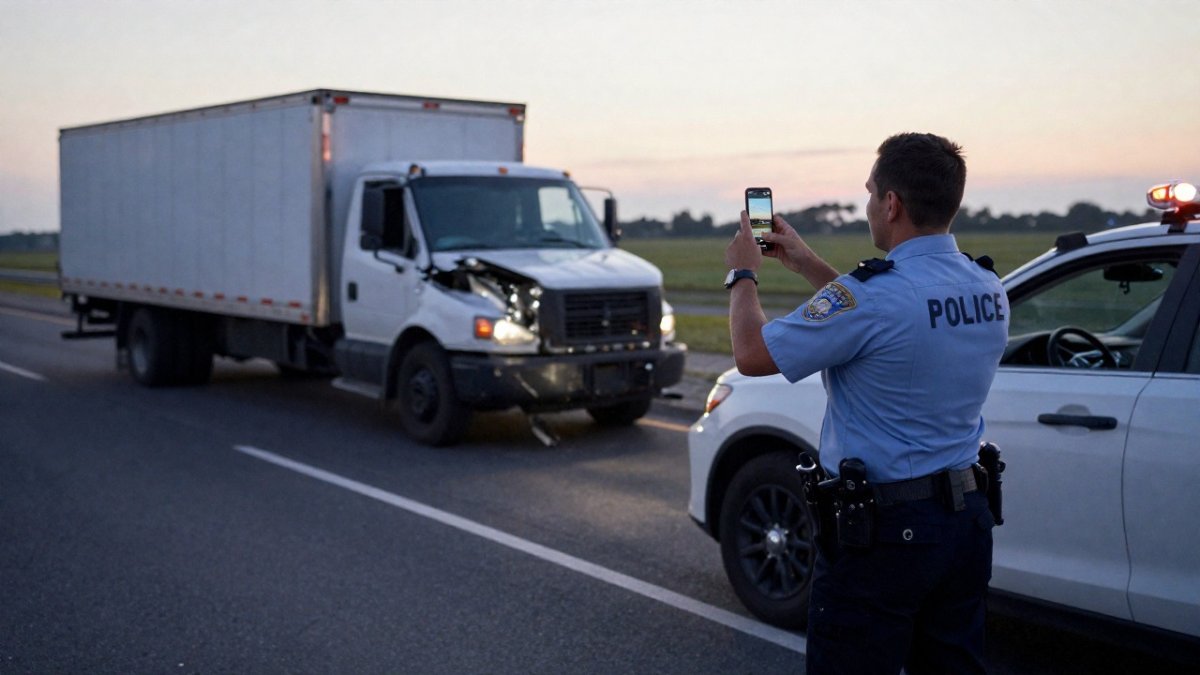
Failing to Photograph Vehicles, Injuries and Road Conditions
Photographs taken at the scene capture details that are hard to reconstruct later. Take wide shots showing the truck, your vehicle, and the road, along with close-ups of damage and any visible injuries. Photograph skid marks, debris, weather, and lighting conditions as well. If you are able, photograph the truck’s USDOT number, license plate, and any placards or cargo markings.
Not Collecting Driver, Employer and Witness Information
Record the truck driver’s name, license number, and insurance details. Note the trucking company’s name and any USDOT number shown on the cab. Collect contact information for witnesses, since their accounts often support your version of events. Ask whether any witness recorded video or has a dashcam.
Overlooking Truck-Specific Records That Get Overwritten
This is where truck claims differ most from ordinary car crashes. A commercial truck can generate several streams of evidence, and each has its own retention window:
- Electronic logging device (ELD) data: Hours-of-service records, duty status, and location data can be overwritten or purged under normal retention practices. A prompt written preservation request to the carrier is the usual way to stop that.
- Event data recorder (EDR) data: The truck’s engine and crash sensors may store speed, braking, and throttle information. That data can be downloaded or lost if the vehicle is repaired or sold.
- Driver logs and dispatch communications: Messages between the driver and dispatcher can show scheduling pressure, route changes, or fatigue.
- Maintenance and inspection records: Brake, tire, and repair histories can reveal whether the carrier kept the truck in safe condition.
- Camera footage: Forward-facing and cab-facing cameras may record over older footage on a loop.
A common pattern is for carriers to preserve only what their own policies require and to produce the rest later, if at all. Sending a written spoliation or preservation letter early, and following up to confirm receipt, is often the difference between having this evidence and arguing about why it is gone.
Watch out: Waiting weeks to request ELD or camera data can mean the footage and logs no longer exist, and a carrier may then claim it had no duty to keep them.
Not Preserving Evidence Related to the Truck or Crash
Beyond the scene, preserve your own records: the police or crash report, your insurance correspondence, receipts, and any clothing or personal items damaged in the crash. Keep the vehicle unrepaired until it has been inspected or photographed, if practical, because repair can destroy evidence of how the collision happened.
The table below summarises the time-sensitive truck-specific records covered in this section and how to keep them from being lost.
Evidence | Why it matters | Action |
|---|---|---|
Electronic logging device (ELD) data | Hours-of-service and location records can be overwritten | Send a written preservation request promptly |
Event data recorder (EDR) data | Stores speed, braking and throttle information | Preserve before the truck is repaired or sold |
Driver logs and dispatch messages | Can show scheduling pressure or fatigue | Request them early |
Maintenance and inspection records | Reveal whether the carrier kept the truck safe | Request them with the preservation letter |
Camera footage | Forward and cab cameras may record over older footage | Request it quickly; loops overwrite |
Delaying or Skipping Medical Care
Seeing a doctor promptly after a crash creates a medical record that links your injuries to the collision. Some injuries, including soft tissue damage and concussions, can produce symptoms days later (the CDC). Waiting to seek care gives insurers a reason to question whether the crash caused the harm.
Follow the treatment plan your providers recommend and keep every appointment. Gaps in care and failure to follow medical advice are both commonly cited to reduce settlement value. Keep copies of records, bills, and prescriptions.
Giving Recorded Statements and Admitting Fault
Adjusters from the trucking company’s insurer may ask for a recorded statement soon after the crash. These statements are not required of you, and the questions are often framed to limit liability. Admitting fault, apologizing, or guessing about details can be used against you later.
If you have already given a statement, that does not end your claim. A lawyer can review what was said and address it in the negotiation. Hold off on posting about the crash on social media as well, since posts are often reviewed during settlement talks.
Insurance Adjuster Tactics After Truck Accidents and How to Respond
Adjusters often make an early offer that looks fair but reflects only the immediate costs. Readers who want to know how to resist adjuster pressure toward a lowball settlement can review that guide. They may pressure you to accept quickly or sign a release before your injuries are fully known. A release typically ends your right to seek more money later.
Respond by asking for the offer in writing, requesting time to review it, and declining to sign anything you do not fully understand. For a structured approach, see how to negotiate truck accident settlements step by step. You can also request the adjuster’s contact information in writing and route communication through your attorney once you have one.
Missing the Statute of Limitations for Personal Injury in Georgia
Georgia law sets a deadline for filing a personal injury lawsuit, and missing it can end your right to sue. Claims involving government entities or other special rules can carry different deadlines. Confirm the current deadline for your situation with the official Georgia code or a qualified attorney.
Booking Your Free Consultation Before You Accept Any Offer
Speaking with a truck accident lawyer before you accept an offer lets you understand what your claim may be worth. Merritt & Merritt Law Firm offers a free consultation, and the firm can visit clients at home, at the office, or in the hospital. Injured drivers near Austin can also contact an Austin, TX truck accident lawyer to start that conversation. Contingency terms are explained during the consultation.
Schedule a Free Consultation to review your situation before you respond to the insurer.
Frequently Asked Questions
What should I not say to an insurance adjuster after a truck accident?
Avoid admitting fault, guessing about speed or how the crash happened, and describing your injuries as minor before a doctor has evaluated you. Adjusters work for the insurer, and their questions are often designed to limit what the company pays. Statements made early can be quoted later to reduce a settlement. You can provide basic contact and insurance information while declining to give a recorded statement until you have spoken with an attorney.
What should I do if a settlement offer is too low?
Do not sign a release or accept the offer just because it arrives quickly. Early offers often do not account for delayed symptoms, future medical care, lost wages or pain and suffering. Gather your medical records, bills and documentation of time missed from work, then ask a personal injury attorney to review the offer. Merritt & Merritt Law Firm offers free consultations, and you pay only if the firm wins your case. Check the firm’s website for current details.
Does failing to seek immediate medical attention affect a truck accident claim?
Yes. Insurers commonly argue that injuries were not caused by the crash when treatment is delayed or skipped. Some injuries, including soft tissue damage and head trauma, may not show symptoms for hours or days. Seeking evaluation promptly creates a record linking your injuries to the accident. Following your doctor’s treatment plan and attending follow-up appointments also supports the value of your claim.
What role does the statute of limitations play in truck accident claims?
A statute of limitations sets the deadline for filing a lawsuit, and missing it can bar your claim entirely even if the other side was clearly at fault. In Georgia, personal injury claims must be filed within a deadline set by state law, and exceptions can apply. Because truck accident cases often involve multiple parties and complex evidence, it is wise to speak with an attorney early. Confirm current deadlines with a qualified Georgia attorney or the official Georgia code.

Our Locations

Atlanta/Decatur
1 West Court Square
Suite 750
Decatur, GA 30030

Savannah
100 Bull Street
Suite 200
Savannah, GA 31401
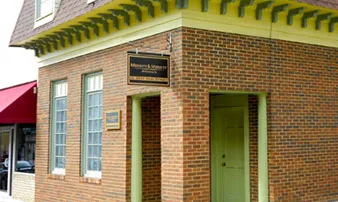
Statesboro
15 West Main Street
Statesboro, GA 30458
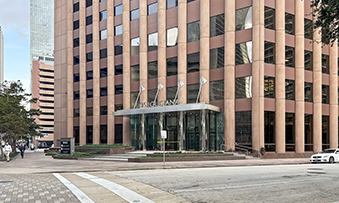
Houston
1415 Louisiana Street,
Suite 1800,
Houston, TX 77002

Jacksonville
841 Prudential Drive
12th Floor
Jacksonville, FL 32207

Contact Us
© Copyright 2026 Merritt & Merritt Law Firm. All rights reserved.