
call us 24/7 1-800-738-WE-WIN
call us 24/7 1-800-738-WE-WIN
Serving All of Georgia, Florida, & Texas
Macon Spinal Injury Lawyer
Spinal Trauma That Starts Small but Leads to Long-Term Instability
Spinal injuries can happen in an instant and change people’s lives forever. They are some of the most serious injuries that people involved in traffic accidents can suffer.
Even when someone avoids catastrophic injury, spinal damage can cause chronic pain and significantly limit daily activities. More severe injuries often result in paralysis, restricting people’s ability to walk and use their limbs.
Car crashes are the leading cause of spinal injuries across the country. Slips and falls and sports injuries also frequently result in spinal damage. That is not to mention shootings and other acts of violence.
The Macon spinal injury lawyers at Merritt & Merritt Law Firm help people ensure that their rights are protected in the aftermath of traffic and other accidents. We are experienced attorneys who have dedicated our careers to getting people injured in accidents the full compensation available under the law. Our track record of success includes a $1 million recovery for a client injured in a car accident that caused paralysis.
It is important for people injured in accidents to understand how these injuries happen and the short- and long-term effects. Knowing the full financial impact of an accident helps people and families make decisions about how to pursue claims against those responsible.
If you or a loved one has been injured in an accident, our Macon spinal injury lawyers are just a phone call away. Call us today at 478-845-6464 to speak with an attorney about your rights and options.
Why Spinal Injuries Are Serious
The spinal cord plays a key role in motor function and balance and acts as the primary regulator of a person’s bodily functions. It is a bundle of nerve tissue surrounded and protected by vertebrae that delivers messages from the brain to the limbs and other body parts. Those messages control body movement and sensory signals, like pain, pressure, heat and cold.
When spinal injuries occur, they limit an injured person’s ability to send these messages. Spinal injuries can impact:
- Movement and strength
- Sensation (numbness, tingling, burning)
- Balance and coordination
- Bowel and bladder control
- Sexual function
- Breathing and organ function
The injuries can involve damage to any part of the spinal cord, including the vertebrae, ligaments or disk.
Soft Tissue Injuries
Soft tissue injuries include muscle strains, ligament sprains and disc injuries. They are sometimes labeled “minor,” but these injuries can cause chronic pain and reduced mobility if not properly treated.
Herniated or Bulging Discs
A disc injury occurs when the cushion between vertebrae slips or ruptures, pressing on nearby nerves. It can cause sharp or burning pain that radiates into the arms or legs, as well as numbness, weakness and difficulty standing or walking.
Spinal Fractures
Spinal fractures happen when one or more vertebrae break due to trauma. Some fractures heal with bracing, while others require surgery.
Paralysis From Spinal Injuries
Paralysis is among the more severe potential consequences of spine injuries. It happens when nerve damage causes a person to lose strength and control over parts or all of the body.
Paralysis can be localized, which means it impacts a specific part of the body, such as the hands or feet. Or it can be generalized, impacting control of larger areas of the body.
There are four categories of paralysis:
- Monoplegia: one arm or leg
- Hemiplegia: one arm and one leg on the same side of the body
- Paraplegia: both legs
- Quadriplegia: both arms and legs
An injury’s effect may depend on where it occurs on the spine. The higher up the spine, the more likely the injury is to be severe. Cervical spinal cord injuries that occur near the head or neck, for instance, may cause full paralysis. Sacral spinal cord injuries, which occur just above the tailbone, do not typically impact a person’s ability to walk.
What Causes Spine Injuries?
External trauma is the most common source of spine injuries. A sudden blow to the spine can happen in many different ways. Here are some of the leading causes of spine injuries.
Car accidents: Sudden stops, high-speed impacts and rollovers put extreme force on the neck and back. Rear-end collisions frequently cause neck injuries, while side-impact and head-on crashes often injure the thoracic and lumbar spine.
Pedestrian and bicycle collisions: Pedestrians and cyclists are especially at risk in traffic accidents because they have no physical protection from oncoming vehicles. These accidents often cause multiple spinal injuries, including fractures and spinal cord damage.
Motorcycle crashes: Riders also have little physical protection in traffic, leaving them exposed to severe forces that can fracture vertebrae, crush discs or sever the spinal cord from direct impacts. They are also prone to being ejected from their bikes or pinned between other vehicles.
Slips and falls: Slipping on wet floors, tripping on uneven pavement, or falling from stairs or ladders can compress or twist the spine. Older adults are particularly vulnerable to spinal fractures from falls.
Gunshots: Gunshot wounds cause spinal damage through direct injury, the powerful shock wave generated by the bullet’s kinetic energy and secondary damage from bone or bullet fragments.
Sports accidents: Contact sports, diving accidents and recreational vehicle crashes can all result in spinal damage, particularly to the cervical spine.
Workplace accidents: Falls from heights, heavy equipment accidents and being struck by objects can cause severe spinal trauma. These injuries often involve long recovery periods and permanent work limitations.
A single blow regularly causes a spinal injury. Additional damage can be incurred in the days and weeks following an accident as a result of inflammation, swelling and bleeding.
Seemingly Small Spinal Trauma That Turns Into Long-Term Instability
Some of the most serious, life-altering spinal conditions begin with injuries that appear minor at first, such as a sore neck, stiffness in the lower back or intermittent tingling that comes and goes. Over time, those early injuries can quietly undermine the stability of the spine, leading to chronic pain, nerve damage and long-term disability.
If you were injured in an accident and your symptoms seem to be worsening rather than improving, this is not uncommon. It is vital to get treatment right away and to document the worsening of your injury.
Spinal instability explains how these injuries often develop over time. It occurs when the structures that normally keep the spine aligned and supported no longer function properly. These structures include ligaments, muscles and tendons, discs, joints and vertebrae.
The spine tends to move abnormally when these components are damaged. Even small, repeated movements outside the normal range can irritate nerves, strain muscles and accelerate degeneration.
Unlike fractures or spinal cord injuries, spinal instability often does not show up clearly on early imaging. Many people initially experience muscle soreness, mild stiffness, fatigue or tension and occasional pain with movement in the aftermath of an accident. These symptoms are common and sometimes expected after trauma, so they may be dismissed as minor, soft tissue injuries that are expected to heal on their own. They also may be masked by adrenaline and shock immediately following an accident.
The problem is that these injuries can be just as debilitating as fractures and spinal cord damage over time. Some common signs of spinal instability include:
- Pain that worsens with movement or prolonged standing
- A feeling of “catching” or “giving way” in the spine
- Muscle spasms
- Reduced range of motion
- Pain that shifts locations
- Radiating pain into arms or legs
- Tingling or numbness
- Increasing difficulty with daily activities
Spinal instability can be tough to spot because these and other symptoms come and go, until they are constant. Without appropriate medical treatment, it can lead to chronic pain, disc degeneration, joint arthritis and nerve damage that significantly limits people’s daily activities and ability to work.
Compensation for Spinal Injuries
People who suffer spinal and other injuries from accidents in Georgia have a legal right to seek compensation from those responsible. The money damages on the table in these cases is designed to help an injured person get back to the financial position that he or she was in before the accident happened.
Doctors’ bills and other medical costs often are the bulk of money damages in accident cases. Spinal injuries routinely require extensive treatment and rehabilitation, both in the immediate aftermath of an accident and well into the future. Injured people can seek compensation for costs already incurred and reasonably anticipated future medical expenses.
Spinal injuries can also create long-term limitations on people’s ability to earn income but restricting the kinds of work they can perform. You can seek compensation for lost income if your injuries caused you to miss work. You can also seek money damages for the impact of the injuries on your future earning capacity.
Merritt & Merritt Law Firm Helps People Get Back on Their Feet
At Merritt & Merritt Law Firm, our Macon spinal injury lawyers are dedicated to helping people and families who have been injured through no fault of their own. We fight diligently to protect and defend our clients rights, from the first consultation through final resolution.
Our goal is to help you move on with your life after an accident by getting the full compensation available under the law. Call our team at 478-845-6464 for a free, no-risk consultation.
Our Locations

Atlanta/Decatur
1 West Court Square
Suite 750
Decatur, GA 30030

Savannah
100 Bull Street
Suite 200
Savannah, GA 31401

Statesboro
15 West Main Street
Statesboro, GA 30458
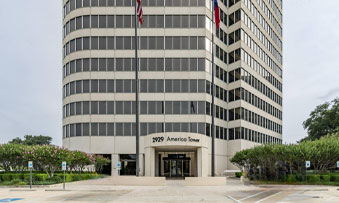
Houston
2929 Allen Pkwy
Suite 200
Houston, TX 77019

Jacksonville
841 Prudential Drive
12th Floor
Jacksonville, FL 32207

Contact Us
© Copyright 2026 Merritt & Merritt Law Firm. All rights reserved.