
call us 24/7 1-800-738-WE-WIN
call us 24/7 1-800-738-WE-WIN
Serving All of Georgia, Florida, & Texas
Macon Traumatic Brain Injury Lawyer
How “Invisible Injuries” Turn Into Lifelong Cognitive Challenges
Brain injuries are some of the most serious injuries caused by accidents. They typically are caused by a single blow to the head, whether it is from a car crash, a slip and fall or a filling object. When these injuries happen, they can have severe, debilitating and even deadly consequences.
Unfortunately, these injuries are all too common. More than 2.8 million traumatic brain injuries are diagnosed each year in the U.S. alone, according to the Centers for Disease Control and Prevention. TBIs are a leading cause of death and disability among children and young adults. More than 69,000 TBI-related deaths occur per year, nationwide.
The Macon traumatic brain injury lawyers at Merritt & Merritt Law Firm help people who have suffered these and other injuries in a wide range of accidents. We are experienced attorneys who have dedicated our careers to getting injured people and their families the full compensation available under the law.
It is important for people impacted by traumatic brain injuries to understand how TBIs happen and what comes next. This information helps people and families make decisions about their future, including how to pursue claims against those responsible.
If you or a loved one has been injured in an accident, our Macon traumatic brain injury lawyers are just a phone call away. Call us today at 478-845-6464 to speak with an attorney about your rights and options.
How Traumatic Brain Injuries Happen
Brain injuries can happen in several different ways, caused by a wide range of factors.
Certain types of accidents are more likely than others to result in these injuries:
- Car crashes
- Truck collisions
- Motorcycle and bicycle accidents
- Slips or trips and falls
- Workplace accidents
- Construction site mishaps
- Defective or malfunctioning products
- Medical mistakes
- Nursing home neglect
Not all brain injuries involve a direct blow to the head. Sudden acceleration and deceleration, such as in car and truck accidents, can cause the brain to collide with the inside of the skull and damage delicate brain tissue.
No matter the cause, the consequences of suffering a traumatic brain injury are often extensive. Even supposedly “mild” brain injuries can have lasting impacts.
The Effects of Traumatic Brain Injuries
Not all traumatic brain injuries are the same.
Many TBIs are closed brain injuries, which means there is no break in the skull. Instead, the brain is injured when it shakes or slams against the skull.
- Concussion: A concussion is often classified as a mild TBI, but that label is misleading. Concussions can cause serious cognitive, emotional and physical symptoms that last months or longer. Repeated concussions increase the risk of long-term harm.
- Contusion: A contusion is a bruise on the brain caused by direct impact. Severe contusions may require surgery to relieve pressure on the brain.
- Diffuse axonal injury: This occurs when the brain shifts rapidly inside the skull, tearing nerve fibers. Diffuse axonal injuries are common in high-speed vehicle crashes and often result in long-term impairment.
In other cases, such as those involving gunshots, penetrating brain injuries break the skull. These injuries are often life-threatening and cause permanent damage. Bleeding in or around the brain can increase pressure inside the skull and deprive the brain of oxygen, leading to severe injury or death if not treated promptly.
Traumatic Brain Injury Symptoms
Brain injury symptoms can vary widely and often include physical, cognitive and emotional effects. These symptoms may not appear immediately after an accident.
Some of the most common physical symptoms include:
- Headaches, pressure in the head
- Dizziness, balance problems
- Nausea, vomiting
- Sensitivity to light or noise
- Fatigue, sleep disturbances
There also are a number of cognitive symptoms that come with these injuries:
- Memory loss
- Difficulty concentrating
- Confusion or slowed thinking
- Trouble processing information
The emotional toll of a brain injury may include:
- Mood swings
- Irritability and anger
- Anxiety
- Depression
- Personality changes
Some of these symptoms may get worse over time, especially if the injury is not properly diagnosed and treated.
The Lifelong Impact of Invisible Injuries
For many people who suffer traumatic brain injuries, concussions and other forms of head trauma, these are invisible injuries that slowly evolve into lifelong cognitive challenges. There may be no casts, scars or obvious signs of trauma. Yet inside, everyday tasks can feel overwhelming, exhausting and impossible.
Invisible brain injuries are injuries that do not show up clearly on standard imaging tests or are not obvious to others. These injuries affect how the brain processes information rather than causing easily visible structural damage. Neurons and nerve pathways can be disrupted even when scans appear normal. Because there is no obvious physical proof, invisible brain injuries are frequently minimized and misunderstood.
Cognitive problems and other symptoms routinely develop over time for people who have suffered brain injuries. They may start subtly: the injured person forgets appointments or begins to have trouble focusing in noisy or busy environments, for example.
These challenges can eventually interfere with work, school or personal relationships. Tasks that once felt automatic, such as organizing schedules, following instructions and managing finances, can become difficult. Many people with brain injuries describe feeling mentally exhausted long before the day is over.
When these problems last long-term or become permanent, they reshape how an injured person lives, works and interacts with the world. They can also deeply impact those closest to the person who has been injured. Adjusting to these changes is one of the most difficult aspects of brain injury recovery.
Validation is a crucial part of healing and continuing on with life after a traumatic brain injury. Recognizing that invisible injuries are real and that their effects are legitimate can reduce self-doubt and shame.
Money Damages for Traumatic Brain Injuries
Anyone who suffers a brain injury as a result of an accident in Georgia has the right to seek compensation from those responsible. That is true regardless of whether the accident is a multi-vehicle crash on a busy highway or a mishap on a construction site.
The money damages available in Georgia injury cases are intended to help injured people get back to the financial positions that they were in before the accidents happened. This includes compensation for the immediate financial consequences of the accident, as well as those reasonably expected in the future.
Medical costs often are the bulk of money damages on the table in accident cases. TBIs frequently require extensive treatment, therapy and rehabilitation, both in the immediate aftermath of an accident and well into the future.
Traumatic brain injuries also can cause long-term damage to a person’s ability to return to his or her job or work at all. In these situations, an injured person can seek compensation for lost income and reductions to future earning capacity.
Many TBIs ultimately result in death, whether it is shortly after the injury is sustained or long after unsuccessful treatment attempts. The family members of a person who dies from a traumatic brain injury can seek similar compensation for wrongful death. Nothing can be done to bring your loved one back and no amount of money will ever replace the person. Compensation can, however, offer some crucial financial security to people who are reeling from losing a family member.
In order to obtain compensation, an injured person must be able to identify those responsible for the accident that caused the injury and establish their liability. Accident claims typically are based on claims for negligence, a legal theory that holds people and entities accountable when they do not live up to certain “duties of care.”
Car, truck and bus drivers, for instance, have a legal duty to operate their vehicles in a reasonably safe manner at all times. They are expected to refrain from dangerous behavior, such as speeding, aggressive driving and getting behind the wheel while drowsy or impaired by alcohol or drugs. A driver that does not live up to this responsibility is considered negligent and liable for any accidents that happen as a result.
Serious traffic accidents often involve commercial vehicles, like delivery trucks, construction vehicles and big rigs. The companies that employ drivers of these vehicles are generally on the hook for accidents caused by them under a theory of vicarious liability.
Property owners also owe similar duties of care, which varies based on the circumstances. Slips or trips and falls and accidents caused by falling objects often are entirely preventable, if property owners take their responsibilities seriously. Premises liability is a form of negligence that holds property owners and occupiers responsible for injuries caused by unsafe conditions on their land or in their buildings.
Merritt & Merritt Law Firm Helps People Get Back on Their Feet
At Merritt & Merritt Law Firm, our Macon traumatic brain injury lawyers are dedicated to helping people and families who have been injured through no fault of their own. We fight diligently to protect and defend our clients rights, from the first consultation through final resolution.
Our goal is to help you move on with your life after an accident by getting the full compensation available under the law. Call our team at 478-845-6464 for a free, no-risk consultation.
Our Locations

Atlanta/Decatur
1 West Court Square
Suite 750
Decatur, GA 30030

Savannah
100 Bull Street
Suite 200
Savannah, GA 31401

Statesboro
15 West Main Street
Statesboro, GA 30458
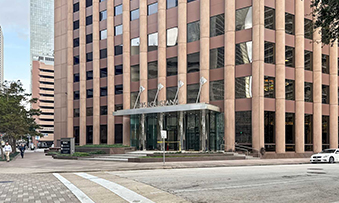
Houston
1415 Louisiana Street,
Suite 1800,
Houston, TX 77002

Jacksonville
841 Prudential Drive
12th Floor
Jacksonville, FL 32207

Contact Us
© Copyright 2026 Merritt & Merritt Law Firm. All rights reserved.