
call us 24/7 1-800-738-WE-WIN
call us 24/7 1-800-738-WE-WIN
Serving All of Georgia, Florida, & Texas
Macon Head and Brain Injury Lawyer
Mild TBIs That Don’t Show Up on Scans but Change Lives
Head and brain injuries are among the most serious and life-changing impacts that can come from accidents.
These injuries can have significant long-term consequences on peoples’ day-to-day lives. Unlike broken bones and visible wounds, however, damage to the brain is often hidden. “Your scans look normal” is one of the most frustrating things a person can hear after an accident. If you are struggling with symptoms that do not appear on imaging but will not go away, you are not imagining it.
Even the people who suffer these injuries may initially misunderstand them. Many people walk away from accidents believing they are “fine,” only to discover weeks or months later that their thinking, memory, emotions or physical abilities have been impacted.
The Macon head and brain injury lawyers at Merritt & Merritt Law Firm help people ensure that their rights are protected in the aftermath of traffic and other accidents. We are experienced attorneys who have dedicated our careers to getting people injured in accidents the full compensation available under the law.
If you or a loved one has been injured in an accident, our Macon head and brain injury lawyers are just a phone call away. Call us today at 478-845-6464 to speak with an attorney about your rights and options.
The Difference Between Head and Brain Injuries
“Head” and “brain” injuries are often used interchangeably, but there are some important differences.
Head injuries refer to trauma affecting the scalp, skull or face. They may include cuts, bruises, fractures and swelling. These injuries are more likely than brain injuries to be relatively minor and heal quickly.
Brain injuries tend to be permanent and life-altering, even when classified as “mild.” They occur when trauma disrupts the normal function of the brain itself. A person can suffer a brain injury even when there is no visible damage to the head.
Most accident-related brain injuries are considered traumatic brain injuries (TBIs), which are caused by violent blows or jolts to the head. Traumatic brain injuries range widely in terms of their severity and presentation.
Concussions are the most common type of brain injury. Although they are often dismissed as “minor” injuries, concussions can have lasting effects. That is particularly true when the injury is left untreated or happens again. Severe traumatic brain injuries can result in personality changes, slurred speech, weakness in limbs, significant memory loss and permanent disability, among other consequences.
Common Causes of Head and Brain Injuries
Traffic accidents are among the leading causes of traumatic brain injuries.
Injuries often occur when a person’s head strikes a steering wheel, dashboard, window or headrest in a crash or occupants are ejected from vehicles. In other situations, sudden stopping causes the brain to shift violently inside the skull.
Whiplash, a painful neck and spine injury, can also cause TBI when whip-like forces jostle the brain. Even low-speed crashes can cause concussions, particularly when the head rapidly snaps forward and backward.
Crashes involving trucks can be particularly severe because of the size of the big rigs and the speed at which they regularly travel. Motorcyclists are at a higher risk of head and brain injury than others because of the scant physical protection they have on the road, especially if they are not wearing helmets.
Slips and falls also are often the cause of concussions and other traumatic brain injuries. These accidents occur when people lose their footing and fall to the ground. They are often prompted by hazardous conditions, whether in grocery stores, office buildings, private homes or a wide range of other settings.
Sometimes, slips and falls and other mishaps occur on the job. Certain work in construction, manufacturing and transportation carry a higher risk of accidents that cause head and brain injuries. Falls, falling objects, machinery accidents and vehicle crashes are relatively common for people in these jobs.
Symptoms and Types of Mild-Traumatic Brain Injuries
Concussions and other mild traumatic brain injuries can have dramatic consequences on how people who sustain them think, feel and function for the rest of their lives, even when MRIs and CT scans show nothing unusual.
The injuries nevertheless are real and medically recognized. The term “mild” refers to the initial classification, not the impact on a person’s life.
Standard imaging tools like CT scans and MRIs are designed to detect bleeding, swelling, skull fractures and other structural damage. They do not pick up impacts often associated with concussions, such as neural pathway disruption, brain chemical imbalances and nerve fiber damage. Advanced imaging techniques sometimes detect these injuries, but they are not routinely used in emergency rooms. As a result, many people with mild TBI are told nothing is wrong, even as their lives begin to unravel.
Common physical symptoms from mild TBIs include:
- Persistent headaches
- Dizziness, balance problems
- Light or noise sensitivity
- Nausea
- Trouble sleeping or waking up
The problem is that head and brain injuries tend to get worse the longer they go untreated. It is crucial to seek prompt medical treatment after an accident, even if you are not feeling any symptoms or believe them to be minor.
Scans also do not pick up cognitive problems that can stem from concussions. Some of the most common that our Macon head and brain injury lawyers see include:
- Difficulty concentrating
- Short-term memory problems
- Mental fatigue
- Slowed thinking
- Trouble finding words
That is not to mention the emotional and psychological changes that can follow mild TBIs. Irritability, anxiety, depression and sudden mood swings are all too common for people who suffer concussions. Many TBI patients describe feeling like different people altogether after their injuries.
Compensation for Head and Brain Injuries From Accidents
People who are hurt in accidents across Georgia have the right to seek compensation from those responsible, whether it is a negligent driver and his or her insurer or a property owner who failed to keep the premises in safe condition.
Money damages in accident cases typically include compensation for
- Medical expenses
- Missed wages
- Disability
- Pain and suffering
- Emotional distress and trauma
Additional, punitive damages are intended to punish a person or entity for wrongdoing. They may be awarded in cases involving especially reckless conduct that causes severe injuries.
To obtain compensation, people who suffer head and brain injuries in accidents have to be able to identify those responsible and establish their legal liability.
Driver negligence is frequently to blame in traffic accidents. Anyone who gets behind the wheel of a car is legally required to operate their vehicles in a reasonably safe manner. Drivers must comply with traffic rules and refrain from dangerous behavior, like texting and driving or hitting the road while impaired by alcohol or drugs.
Slip and fall accidents often can be traced back to property owners who fail to live up to their legal obligations. Owners generally are required to keep the premises in reasonably safe condition and address dangerous conditions that they know about or should know about through reasonable inspection.
Sometimes, it is not entirely clear who is at fault in an accident. In other situations, the injured person may shoulder at least some of the blame. That does not necessarily prevent them from getting compensation for their injuries.
Georgia operates under a modified comparative liability standard in accident cases. People who are injured in accidents across the state can seek compensation for the injuries, so long as they are less than 50% at fault. Their awards will be reduced, however, based on the proportionate fault.
Take, for instance, a driver who is speeding at the time of a crash in which the other driver was drunk. If the injured driver’s speed is considered to be 15% to blame for his or her injuries, the injured driver can still seek 85% of the total damages from the other driver.
Many people who are injured in car and other accidents can get compensation without going through a long court battle. Our Macon head and brain injury lawyers have had significant success resolving cases through negotiated settlements with insurers and other parties. Settlement gives our clients the chance to start trying to move on with their lives while also getting the compensation they deserve.
Settlement is not always an option, however. Filing a lawsuit and going to trial may be necessary to get the necessary compensation and ensure that negligent drivers or property owners are made accountable. Our Macon head and brain injury lawyers are seasoned litigators who stand ready to fight for clients in court.
What To Do
That starts with investigating the attack and preparing a claim. Our attorneys will compile all of the evidence available, including witness statements, police reports and any video footage, to identify the dog, establish ownership and detail how the bite occurred.
Our investigations often uncover how bites could have easily been avoided, if the dog’s owner properly trained and handled the animal. That can be established by speaking with neighbors and others to show how the owner has handled the dog, obtaining medical history and other documents regarding the dog’s background and digging up police or other reports of similar attacks.
We will also gather medical records and other evidence to describe the full extent of your injuries and their impact on your daily life. This is a critical step in maximizing the potential money damages.
Merritt & Merritt Law Firm Helps People Get Back on Their Feet
At Merritt & Merritt Law Firm, our Macon head and brain injury lawyers are dedicated to helping people and families who have been injured through no fault of their own. We fight diligently to protect and defend our clients rights, from the first consultation through final resolution.
Our goal is to help you move on with your life after an accident by getting the full compensation available under the law. Call our team at 478-845-6464 for a free, no-risk consultation.
Our Locations

Atlanta/Decatur
1 West Court Square
Suite 750
Decatur, GA 30030

Savannah
100 Bull Street
Suite 200
Savannah, GA 31401

Statesboro
15 West Main Street
Statesboro, GA 30458
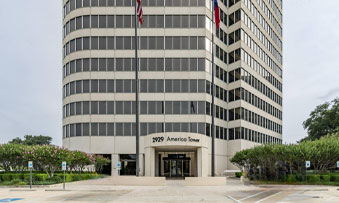
Houston
2929 Allen Pkwy
Suite 200
Houston, TX 77019

Jacksonville
841 Prudential Drive
12th Floor
Jacksonville, FL 32207

Contact Us
© Copyright 2026 Merritt & Merritt Law Firm. All rights reserved.