
call us 24/7 1-800-738-WE-WIN
call us 24/7 1-800-738-WE-WIN
Serving All of Georgia, Florida, & Texas
9 Rental Car Rules After an Accident Without Insurance
Last Updated: November 8, 2026
Quick Summary
You can usually rent a car after an accident without insurance, but you will generally pay upfront and may need a credit card with rental coverage or a daily protection plan. Whether anyone reimburses the rental depends on your policy, your state, and who is at fault. Keep every receipt, because a rental car after accident may be recoverable later.
- Rental companies generally require upfront payment, a deposit, or a hold on a credit card.
- Check whether your credit card or the rental company’s plan covers collision damage.
- If you are uninsured and at fault, no insurer owes you a rental, so you pay out of pocket.
- Find your per-day rental limit and total day cap on your declarations page.
- Keep rental agreements and daily receipts so you can seek reimbursement later.
Table of Contents
- Can You Rent a Car After an Accident Without Insurance?
- Who Pays for a Rental After an Accident: A Decision Tree
- How Long Will Insurance Pay for a Rental Car After an Accident?
- Renting a Car Without Personal Auto Insurance
- Getting a Loaner Car From the Other Driver’s Insurer
- What to Do If Your Insurer Delays or Denies a Rental
- Start Your Rental Claim Today
- Frequently Asked Questions
Call the Merritt & Merritt Law Firm today at 404-975-1775. Offices in Atlanta, Statesboro, Savannah, and Houston.
Merritt & Merritt Law Firm handles car accident claims across Georgia and Florida. The questions below are common ones for people in your situation. Knowing how a rental car after accident is handled depends on your policy, your state and who is at fault, and knowing your options early can save you from paying for a rental you may later recover. (Source: the National Association of Insurance Commissioners (NAIC))
Can You Rent a Car After an Accident Without Insurance?
Rental companies generally require a driver to accept their coverage options and pay upfront. Some renters use a credit card with rental coverage or buy a daily protection plan at the counter.
Here is what most renters need to know:
- Upfront payment: Expect a deposit or a hold on your credit card.
- Rental coverage: Ask whether your card or the rental company’s plan covers damage.
- Daily rate: Compare the rate with and without added protection.
- Keep receipts: You may need them to seek reimbursement later.
Who Pays for a Rental After an Accident: A Decision Tree
Who pays for a rental depends on two variables: whether you carry auto insurance, and who is found at fault. The branches below cover every combination, including the one most articles skip, you are uninsured and at fault.
Insured Driver, Not at Fault
If another driver caused the crash and carries liability insurance, that insurer may pay for a comparable rental while your vehicle is repaired or replaced. This is a third-party claim, and payment is not automatic: the other insurer must generally accept liability first. Your own rental reimbursement coverage may also apply if you carry it.
Consider asking the other adjuster these questions in writing: Will you authorize a rental car now? What daily rate and vehicle class will you approve? How many days will you cover?
Insured Driver, At Fault
If you caused the accident, your own collision or rental reimbursement coverage may pay, subject to your policy limits and deductible. Pull your declarations page and find two numbers: the per-day rental limit and the total dollar or day cap. A policy might show something like a daily limit and a maximum number of days; once either cap is hit, the difference is yours.
Watch out: rental reimbursement is typically optional coverage that is often sold in small daily amounts. If you declined it at purchase, your collision coverage may still fix the car but will not pay for a rental.
Uninsured Driver, Not at Fault
If you have no auto policy but the other driver caused the crash, your recovery runs through the at-fault driver’s liability coverage. That insurer may still authorize a rental, but expect it to move slowly while it confirms fault. If the at-fault driver is uninsured or underinsured, your options narrow to a personal claim against that driver, which may require a lawsuit to collect.
Uninsured Driver, At Fault
This is the hardest branch, and most guides skip it. With no policy of your own and fault on your side, no insurer owes you a rental. You will pay out of pocket, and the rental company will require its own coverage or a credit card that provides collision damage benefits. Any later recovery would come from a personal claim, not an insurance claim.
When Fault Is Disputed
If liability is contested, the other insurer will usually not authorize a rental until it completes its investigation. You can still rent on your own and keep every receipt, but reimbursement is not guaranteed. Document the scene, the police report number, and witness contacts, and send the other insurer a written demand that it preserve its liability decision.
How State Law Shapes the Answer
Third-party rental payment is governed by state liability and insurance rules. Because the rules vary by state, confirm the procedure with your state insurance department before you assume a rental will be reimbursed.
Quick Checklist Before You Rent
- Confirm your own policy’s daily and total rental limits.
- Ask the at-fault insurer for written rental authorization.
- Choose a reasonable, comparable vehicle, not an upgrade.
- Keep the rental agreement, daily receipts, and repair-shop timeline.
- Send receipts to the adjuster in writing and keep copies.
The right payer depends on whether you carry insurance and who is at fault, as summarised below.
Scenario | Who may pay | Key condition |
|---|---|---|
Insured, not at fault | At-fault driver’s liability insurer | Insurer must generally accept liability first |
Insured, at fault | Your collision or rental reimbursement coverage | Subject to policy limits and deductible |
Uninsured, not at fault | At-fault driver’s liability coverage | Insurer may move slowly to confirm fault |
Uninsured, at fault | You, out of pocket | No insurer owes a rental |
Fault disputed | Usually none until investigation ends | Keep all receipts; reimbursement not guaranteed |
How Long Will Insurance Pay for a Rental Car After an Accident?
Rental coverage usually depends on your policy, which may limit both the daily amount and the total number of days. Review your declarations page for the specific limits that apply. (Source: the U.S. Department of Transportation’s National Highway Traffic Safety Administration (NHTSA))
A common approach is to ask the adjuster for the expected repair timeline in writing. Keep notes of every call, including the adjuster’s name and the date.
Renting a Car Without Personal Auto Insurance
Without a personal auto policy, you may rely on the rental company’s coverage or your credit card benefits. Call your card issuer before you rent to confirm what is covered.
Watch out: Declining every add-on can leave you responsible for the cost of repairs if the rental is damaged, depending on your rental agreement.
- Confirm whether your card covers collision damage.
- Ask whether the rental company’s waiver has a deductible.
- Read the rental agreement before signing.
- Photograph the vehicle at pickup and return.
Getting a Loaner Car From the Other Driver’s Insurer
If the other driver’s insurer accepts liability, you can often request a loaner car directly from it. Some insurers arrange rentals directly, while others may issue a payment instead.
Ask for the rental in writing and confirm the vehicle class, the daily limit and how long coverage will last. A loaner from the other insurer may cost you nothing if the claim is accepted, but acceptance is not guaranteed.
What to Do If Your Insurer Delays or Denies a Rental
A delay or denial is usually not the end of the claim, it is a signal to switch from phone calls to a written record. The steps below are the escalation ladder most policyholders never use.
Step 1: Put the Request in Writing
Send a written request to the adjuster asking for rental authorization, the approved daily rate, and the number of days covered. State the date of loss, the claim number, and the repair-shop estimate. Email is fine; keep the sent copy.
Step 2: Ask for the Denial Reason in Writing
If the insurer says no, ask it to state the specific policy provision or liability finding it is relying on. A written denial is easier to challenge than a phone conversation, and it forces the adjuster to tie the decision to the policy language.
Step 3: Escalate Inside the Company
Ask for the adjuster’s supervisor and send the same written request up the chain. Many delays are workload problems rather than coverage decisions, and a supervisor can authorize a rental the front-line adjuster would not.
Step 4: Use Your State Insurance Department
Every state has an insurance regulator that accepts consumer complaints about claim handling. File a complaint with your state insurance department and attach your written requests and the insurer’s responses. Regulators may review complaint patterns when handling consumer complaints.
Watch out: complaint processes and claim-handling timelines differ by state, so confirm your state’s process and any filing window before you rely on it.
Step 5: Preserve Your Reimbursement Claim
If you rent while the dispute is pending, keep the rental agreement, daily receipts, and proof that the vehicle was comparable to your own. Send copies to the adjuster with a written demand for reimbursement. Documenting a reasonable rate now is what makes the claim recoverable later.
When to Bring In a Lawyer
If the delay continues, if the insurer denies coverage, or if a total-loss offer is on the table, a consultation can help clarify your options under the policy and applicable state law. Bring your declarations page, the police report, the repair estimate, and every written communication with the insurer.
Start Your Rental Claim Today
Gather your policy information, the other driver’s details, the police report number and your rental receipts. Then contact your insurer and request rental coverage in writing. If the claim stalls, Merritt & Merritt Law Firm offers free consultations. You pay only if we win.
Frequently Asked Questions
What happens if you get into an accident in a rental car without insurance?
If you rent a car without insurance and have an accident, you are generally responsible for the damage to the rental unless you bought the rental company’s collision damage waiver or loss damage waiver. Rental agreements often make the renter liable for the vehicle’s repair costs and loss-of-use fees, and you may also be responsible for third-party injuries or property damage depending on your state’s liability rules. Check your rental agreement and any coverage from a credit card before you drive away.
How long after an accident can I get a rental car?
You can usually request a rental as soon as the accident happens, especially if your insurer or the at-fault driver’s insurer has accepted coverage. Some insurers require a claim number and a repair estimate before approving a rental, which can add delay. Contact your insurer promptly, keep your receipts, and ask how long the rental will be authorized before you book.
Can I get a rental car if the accident wasn’t my fault?
If the accident was not your fault, the at-fault driver’s liability insurer may be responsible for reasonable rental costs for the time your car is out of service. Coverage depends on the insurer accepting fault and on the policy limits, so it is not guaranteed. If the claim is disputed, you may need to pay upfront and seek reimbursement later. A personal injury attorney can help you pursue these costs.
How long will insurance pay for a rental car after an accident?
Insurance typically pays for a rental for the period needed to repair or replace your vehicle, subject to your policy’s rental reimbursement limit, such as a daily amount and a maximum number of days. Once the repair is complete or the insurer declares the car a total loss and pays out, rental coverage usually ends. Time limits and rules vary by policy and state, so review your policy declarations and confirm the terms with your adjuster.

Our Locations

Atlanta/Decatur
1 West Court Square
Suite 750
Decatur, GA 30030

Savannah
100 Bull Street
Suite 200
Savannah, GA 31401
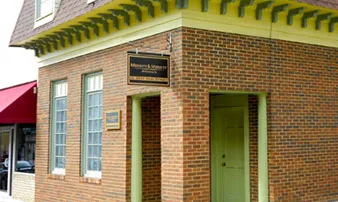
Statesboro
15 West Main Street
Statesboro, GA 30458
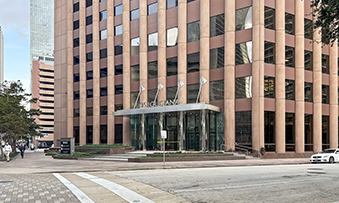
Houston
1415 Louisiana Street,
Suite 1800,
Houston, TX 77002

Jacksonville
841 Prudential Drive
12th Floor
Jacksonville, FL 32207

Contact Us
© Copyright 2026 Merritt & Merritt Law Firm. All rights reserved.