
call us 24/7 1-800-738-WE-WIN
call us 24/7 1-800-738-WE-WIN
Serving All of Georgia, Florida, & Texas
Questions to Ask Before Hiring a Lawyer

Table of Contents
- Questions About the Lawyer’s Experience and Expertise
- Key Questions to Ask a Personal Injury Lawyer
- Understanding Personal Injury Lawyer Fees and Costs
- Your Lawyer Consultation Checklist
- What to Bring to a Lawyer Consultation
- Red Flags and Warning Signs When Evaluating a Lawyer
- How to Compare Multiple Lawyer Consultations
- Frequently Asked Questions
Last Updated: October 8, 2026
Questions About the Lawyer’s Experience and Expertise
Call the Merritt & Merritt Law Firm today at 404-975-1775. Offices in Atlanta, Savannah, Statesboro, and Houston.
The attorney you hire will shape your entire case, so start by asking the right questions to ask before hiring a lawyer, beginning with their background. (Source: state bar association’s website)
How many cases similar to mine have you handled?
A lawyer who has handled many cases like yours knows the typical challenges, settlement ranges, and courtroom strategies. Ask for a specific number, plus outcomes: did they win, and how much did clients typically receive? Realistic numbers from comparable cases show what your case might be worth.
What is your trial experience in this practice area?
Not all lawyers go to trial, some settle every case, others fight in court regularly. Ask how many trials they’ve handled in your specific area of law. Insurance companies know an experienced trial lawyer won’t accept lowball offers.
Are you licensed to practice in the court where my case will be heard?
Some lawyers are licensed in certain courts but not others, and your case may be filed in a specific county or federal court.
Verify it yourself through your state bar association’s website by looking up the attorney’s license status and admitted courts, it takes five minutes.
Key Questions to Ask a Personal Injury Lawyer
Personal injury cases require experience with insurance companies, medical evidence, and damage calculations. These questions focus on strategy and results.
What are typical case outcomes in situations like mine?
Ask the lawyer to walk you through similar cases: the injuries, the settlement or verdict amount, and how long it took. A good lawyer will be honest about wins and losses, explaining why some cases settled quickly and what factors mattered.
How do you approach settlement negotiations versus litigation?
Some lawyers push hard for settlement, others are quick to file suit. Ask when they push for settlement, when they recommend trial, and how they balance a quick resolution against more money at trial. Also ask how often their cases settle before trial, that reveals whether they’re realistic or overly aggressive.
Understanding Personal Injury Lawyer Fees and Costs
Understand exactly what you’ll pay, when, and what happens if the case ends early, a written engagement agreement protects you.
What is your fee structure and billing arrangement?
Get the exact percentage in writing. Ask whether it rises at trial, whether it’s calculated before or after costs, and whether it steps up at any stage.
Some firms use hybrid arrangements, a lower contingency fee plus hourly rates, or a flat fee for tasks like demand-letter drafting.
What should I look for in the written engagement agreement?
A retainer or engagement agreement is a contract. Read it before signing and confirm it addresses:
- Scope of representation. Which matter is covered, and which related matters are not. If you have a separate property-damage claim or a workers’ compensation issue, is it included or excluded?
- Fee percentage and triggers. The exact contingency percentage, when it applies, and whether it changes at settlement, filing, or trial.
- Billing increments. If any work is billed hourly, ask whether time is tracked in tenths of an hour, quarter-hours, or larger blocks. Smaller increments generally mean more accurate bills.
Never hire a lawyer based on a verbal agreement about fees. Ask for the engagement agreement in writing, read it carefully, and don’t sign until every number and trigger makes sense to you.
What costs will I be responsible for?
Costs differ from attorney fees: filing fees, expert witnesses, deposition transcripts, medical records, court reporters, and investigation expenses add up quickly in a contested case.
Ask which costs the firm advances and which you pay as you go.
Ask for a realistic cost range based on similar cases, whether expert witnesses are likely and roughly what they cost, so you can plan for the deduction.
Watch for agreements that let the firm recover costs from you even if the case loses. That’s not automatically unfair, but you should know it before you sign, not after.
How are liens and medical bills handled?
If you treated on a letter of protection or your insurer paid part of your care, those parties may have a lien on your recovery. Ask how the lawyer identifies liens, negotiates reductions, and coordinates payment, firms that routinely handle lien resolution often reduce what you owe.
Can I get an estimate of my net recovery?
Ask the lawyer to run a hypothetical: a settlement amount minus the contingency fee, advanced costs, and known liens. If they won’t run that math, that signals how transparent the relationship will be.
Your Lawyer Consultation Checklist
The consultation is your chance to evaluate the lawyer. Come prepared with questions and documents.
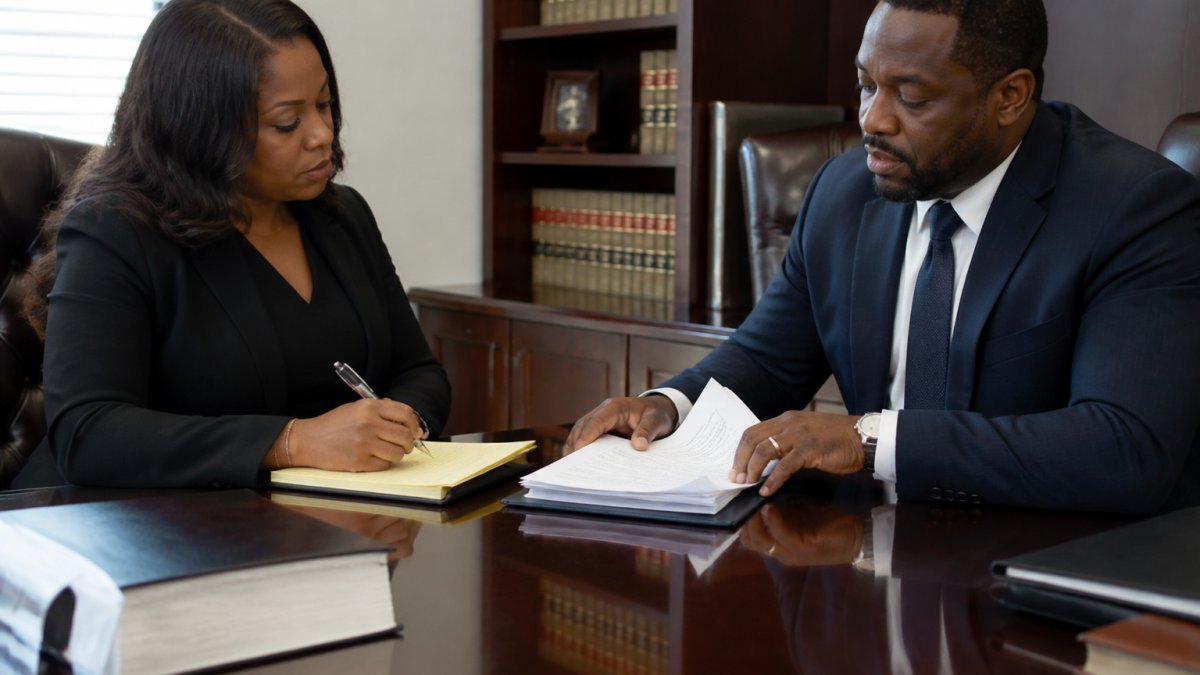
How will you communicate with me and how often?
Know how your lawyer will stay in touch, calls, email, or a client portal, and how often you’ll hear updates.
Ask about their communication style and availability, and whether they can accommodate frequent updates.
Also ask about after-hours communication, personal injury cases move quickly, and you need answers when urgent questions arise.
Who will handle my case day to day?
You might hire a named attorney who doesn’t do all the work, a paralegal or junior attorney may handle your case day to day.
Schedule a Free Consultation →
Ask who your main point of contact will be, and if it’s a team member, ask about their background and tenure at the firm.
What is the estimated timeline for my case?
Cases move at different speeds. Some settle in months. Others take years. Ask what timeline you should expect.
The lawyer should explain how long investigation takes, when a settlement demand is made, and how long until trial if settlement fails, realistic timelines help you plan.
What to Bring to a Lawyer Consultation
Show up prepared. Bring documents and information that help the lawyer understand your case.
Documents you should gather before your meeting
Bring anything related to your accident or injury, including:
- Police report or accident report
- Photos of the scene or your injuries
- Insurance information for all parties involved
The more you provide, the more accurately the lawyer can evaluate your case and advise on what it’s worth.
Questions and notes to prepare
Write down your questions to ask before hiring a lawyer and key facts before the meeting, when the accident happened, what you were doing, what injuries you suffered, so the conversation flows better.
Also list your concerns, costs, timeline, case strength, and raise them directly. A good lawyer will address them honestly.
Red Flags and Warning Signs When Evaluating a Lawyer
Some warning signs should make you walk away. Trust your instincts when something feels off.
A lawyer who guarantees a specific outcome is making promises they can’t keep.
A lawyer who doesn’t provide a written fee agreement is a major red flag.
How to Compare Multiple Lawyer Consultations
Don’t hire the first lawyer you meet. Talk to at least two or three and evaluate them against the same criteria, a written scorecard turns vague impressions into a defensible decision.
Build a consultation scorecard before you start
Before your first meeting, set up a grid: criteria down the left, a column per lawyer across the top, scored 1 to 5 with a short note. Bring the same grid to every consultation so you ask the same questions in the same order.
Criteria worth scoring:
- Relevant experience. Number of similar cases handled, and how recently.
- Trial record. Trials tried in this practice area, and willingness to go to trial if needed.
- Jurisdictional familiarity. Licensed and admitted in the court where your case would be filed.
What to verify after each consultation
Between meetings, do independent due diligence rather than relying only on what the lawyer told you:
- Confirm bar status and disciplinary history. Your state bar association’s website typically lets you look up an attorney’s license status, admission date, and any public discipline. Check it for every lawyer on your shortlist.
- Confirm court admissions. If your case may be filed in a specific court, verify the lawyer is admitted there.
- Confirm the firm’s identity. Make sure the entity named in the engagement agreement matches the firm you actually met with.
the American Bar Association’s lawyer referral service is a starting point for locating referral resources and verifying credentials.
Questions to ask about conflicts and confidentiality
Before representation begins, ask:
- Do you have any conflict of interest in my case? For example, has the firm represented the other party, an insurer, or a related entity?
- How will you handle a conflict if one arises later? Will you withdraw, or seek a waiver?
- How is my information protected? Who at the firm will have access to your file, and how is it stored and transmitted?
A lawyer who answers these directly, without defensiveness, is a better sign than one who waves them off.
Accessibility, language, and accommodations
Fit isn’t only about legal skill. Ask:
- Interpreter availability. If you or a family member need interpretation, is it available, and at what cost?
- Disability accommodations. Can the firm accommodate mobility, hearing, vision, or cognitive needs, at the office, at a deposition, or in court?
- Preferred communication channels. Phone, email, text, or a client portal, which does the firm actually use, and how quickly do they respond?
Red flags that should end the comparison
Some answers should take a lawyer off your list regardless of the rest of the scorecard:
- Guaranteed outcomes. No honest attorney can promise a specific settlement or verdict.
- Pressure to sign immediately. You should always have time to read the agreement and think.
- No written fee agreement. Everything about fees and costs should be in writing.
Make the decision
Once every column is filled in, total the scores and read your notes. If the top scorer still leaves you uneasy, weight ‘fit and rapport’ and ‘red flags’ more heavily, a technically strong lawyer you don’t trust is a poor choice.
Frequently Asked Questions
What are the most important questions to ask before hiring a lawyer?
Focus on three core areas: relevant experience (how many similar cases they’ve handled and their trial record), fees and costs (whether they work on contingency and what expenses you’re responsible for), and communication (how often you’ll hear updates and who handles your case day to day). Ask for their strategy for your specific situation and realistic expectations about timeline and outcomes. These questions help you evaluate whether the attorney has the expertise, resources, and approach your case needs.
How do I verify a lawyer’s credentials and disciplinary history?
Check your state bar association’s website, which maintains public records of all licensed attorneys and any disciplinary actions. Search by the attorney’s name to confirm their license status and review any complaints or sanctions. You can also ask the attorney directly about their bar standing and any past disciplinary matters. This verification step is essential before committing to legal representation and helps protect you from hiring someone with a problematic record.
What should I bring to a lawyer consultation?
Bring all relevant documents: accident reports, medical records, insurance correspondence, photographs of injuries or property damage, receipts for medical treatment and lost wages, and any written communication with the other party or their insurance company. Also bring a list of questions you want answered and a notebook to take notes. Having these materials organized helps the attorney assess your case more thoroughly and provide accurate advice during your initial consultation.
How do personal injury lawyers typically charge for cases?
Most personal injury lawyers work on a contingency fee basis, meaning you pay a percentage of your recovery only if the case settles or wins at trial. The percentage varies but typically ranges based on whether the case settles before trial or requires litigation. You should receive a written engagement agreement detailing the fee percentage, what costs you’re responsible for, and how expenses are handled. Always ask for this agreement in writing before hiring to avoid surprises about costs.
Our Locations

Atlanta/Decatur
1 West Court Square
Suite 750
Decatur, GA 30030

Savannah
100 Bull Street
Suite 200
Savannah, GA 31401

Statesboro
15 West Main Street
Statesboro, GA 30458

Houston
1415 Louisiana Street,
Suite 1800,
Houston, TX 77002

Jacksonville
841 Prudential Drive
12th Floor
Jacksonville, FL 32207

Contact Us
© Copyright 2026 Merritt & Merritt Law Firm. All rights reserved.