
call us 24/7 1-800-738-WE-WIN
call us 24/7 1-800-738-WE-WIN
Serving All of Georgia, Florida, & Texas
Macon Workers’ Compensation Lawyer
The Workplace Injuries That Don’t Show Symptoms Right Away
Accidents can and do happen on the job, whether you work in a factory full of heavy and dangerous machinery or spend your days in front of a computer.
Anyone who is injured at work in Georgia has the right to workers’ compensation benefits, including for medical care and missed wages. Workers’ compensation is a form of insurance: companies and other employers are required to pay into the system so that benefits are readily available for employees who qualify for them.
The Macon workers’ compensation lawyers at Merritt & Merritt Law Firm help people and families who have been injured in a wide range of workplace accidents. We are experienced attorneys who have dedicated our careers to getting our clients the full compensation available under the law.
The process for obtaining workers’ compensation benefits can be complicated. Insurers, sadly, often seek to limit payouts to pennies on the dollar and force folks back to work before it is safe for them to return. Our attorneys can help you understand your rights and take action.
If you or a loved one has been injured in a workplace accident, our Macon workers’ compensation lawyers are just a phone call away. Call us today at 478-845-6464 to speak with an attorney about your rights and options.
Workers’ Compensation in Georgia
Georgia’s workers’ compensation system was developed to make benefits available for people who get injured on the job or develop an illness stemming from their work. It is a “no fault” program, meaning that injured workers do not have to prove that someone else is to blame for an accident in order to be eligible for benefits.
Worker’s compensation benefits fall into two general categories: medical treatment and missed income.
Medical treatment includes:
- Doctor and hospital visits
- Diagnostic tests
- Surgery
- Physical therapy and rehabilitation
- Medications
- Medical equipment (wheelchairs, etc.)
The treatment generally must come from an authorized provider, typically from a list maintained by your employer or your employer’s insurer.
Income benefits vary based on the nature of the injury and the impact on the person’s ability to work.
Temporary total disability: These benefits are paid to people who cannot work at all for a certain amount of time as a result of their injuries, but are expected to eventually return to their jobs. The payments equal two-thirds of the average weekly wage, up to a maximum cap (currently $800). Total temporary disability benefits can be paid for up to 400 weeks.
Temporary partial disability: These benefits are available for people who can return to work in some sort of limited capacity, and who are expected to fully return down the road. Such employees may be forced to work fewer hours because of their injuries or to perform different tasks that pay less than their normal jobs. The payments equal two-thirds of the difference between the person’s typical weekly rate and what the person is earning during restricted work. Temporary partial disability benefits can be paid for up to 350 weeks.
Permanent partial disability: People who can perform some work but are not expected to fully return can get these benefits. They kick in after the temporary disability period expires. Permanent partial disability payments vary based on impairment ratings, and currently are capped at $800 per week.
Permanent total disability: These benefits are paid to workers who suffer some type of permanent physical loss that prevents them from returning to their jobs long-term. Like permanent partial disability benefits, permanent total disability payments vary based on impairment ratings and capped.
Workplace Injuries With Slow-To-Show Symptoms
Some of the most debilitating workplace injuries do not appear right away. They instead develop slowly over the course of days, weeks and even months. Such injuries also tend to worsen over time, meaning that the full impact on the injured person’s day-to-day life is not immediately clear.
Plenty of workers are injured on the job and told they are “fine,” only to feel much worse later as the symptoms progress. Many of these same employees even feel like they are “OK” in the aftermath of accidents, but realize later that they have been seriously injured.
This happens for a number of reasons. Confusion and adrenaline tend to mask pain in the immediate aftermath of an accident. Inflammation often builds over time, causing swelling, nerve irritation and soft tissue damage to worsen gradually. Small tears in particular may not cause pain initially but wreak havoc later on.
Our Macon workers’ compensation lawyers see delayed onsets in a wide range of workplace injuries.
- Concussions and traumatic brain injuries: Many head injuries, especially concussions, do not show up on MRIs and CT scans. A worker who hits his or her head in a fall or is struck by falling equipment may not even lose consciousness, masking the full extent of the injury.
- Soft tissue injuries: Strains, sprains and tears may feel minor at first, but swelling and stiffness often increase after the initial shock wears off. These injuries routinely happen in slips and falls and lifting accidents, among other situations.
- Back and spine injuries: Disc bulges, herniations and spinal damage do not always cause immediate pain, only to worsen gradually as inflammation increases. Lower back pain, muscle weakness, discomfort that radiates into the arms and legs and numbness or tingling are among symptoms that may be delayed.
- Internal injuries: Even blunt force trauma comes on late in some instances. Organ injuries and internal bleeding, often from vehicle accidents, may not show immediate outward signs. They can be life-threatening when workers are sent back to their jobs without proper medical attention.
Delayed onset is especially frequent in injuries caused by repetitive strain. Arthritis, tendonitis, rotator cuff injuries and carpal tunnel syndrome develop from prolonged strain and become more and more debilitating over time. Such injuries are widely misunderstood and may be blamed on aging, stress and other factors not related to work.
Remote Employees
The Georgia workers’ compensation system covers employees who do their jobs in the state, even if they work from home. Remote employment situations can raise tricky legal questions, however, because the line between work and home is often blurred.
To get benefits, remote workers have to be able to show that the injuries occurred as a result of work-related tasks and during work hours. A person who slips and falls while doing household chores during a break period, for instance, will have a harder time getting workers’ compensation benefits to cover the injuries.
Some employers develop specific remote work policies meant to avoid confusion and potentially limit their liability. These policies describe where employees will work, what duties will be performed remotely and what is otherwise expected. They also may define what is considered an employee’s “home office,” meaning that accidents occurring outside of the space are not likely to be considered work-related.
How Our Macon Workers’ Compensation Lawyers Can Help
Workers’ compensation benefits can ensure that injured employees get critical medical care and income, but the system is complex and not always worker-friendly. Fortunately, injured workers have the right to have a lawyer help them navigate the process and maximize their benefits.
The truth is that many employers and their insurers drag out claims and look to reduce or even avoid paying benefits. Our Macon workers’ compensation lawyers often have people come to us for assistance after their legitimate claims have been denied.
Here are some of the most common reasons that employers and insurers give for shooting down claims:
- The accident did not actually happen while the person was on the job
- The injury results from a pre-existing condition
- The employee reported the injury too late
- The employee did not seek medical attention from an approved doctor
Workers whose claims are denied have the right to appeal the decision. They can also pursue personal injury lawsuits against their employers, in some cases, as well as others who are responsible for the hazardous conditions that caused the injury or illness.
Understanding your rights, reporting injuries promptly and taking symptoms seriously can make a major difference in your recovery and financial stability.
Worker Misclassification
Employers also are increasingly looking to avoid responsibility by classifying workers as independent contractors, instead of employees.
Independent contractors are legally treated as self-employed entrepreneurs. They are not covered by workers’ compensation benefits plans and are not entitled to minimum wage, overtime pay and other protections.
Misclassification is rampant across industries in Georgia. Employers do not get to just decide who is a contractor and who is an employee. To actually qualify as an independent contractor, a person must exercise significant control over how he or she performs the work and meet other requirements.
Merritt & Merritt Law Firm Helps People Get Back on Their Feet
At Merritt & Merritt Law Firm, our Macon workers’ compensation lawyers are dedicated to helping people and families who have been injured through no fault of their own. We fight diligently to protect and defend our clients rights.
Our goal is to help you move on with your life after an accident by getting the full compensation available under the law. Call our team at 478-845-6464 for a free, no-risk consultation.
Our Locations

Atlanta/Decatur
1 West Court Square
Suite 750
Decatur, GA 30030
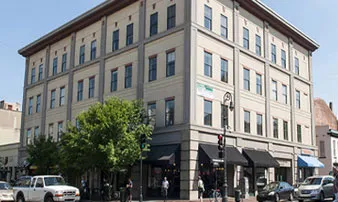
Savannah
100 Bull Street
Suite 200
Savannah, GA 31401
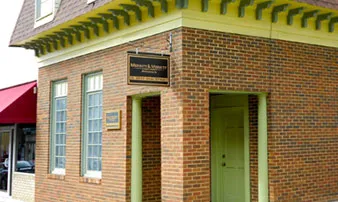
Statesboro
15 West Main Street
Statesboro, GA 30458
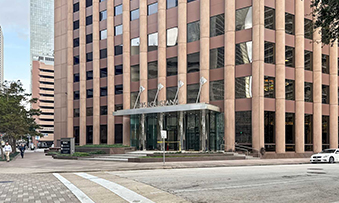
Houston
1415 Louisiana Street,
Suite 1800,
Houston, TX 77002

Jacksonville
841 Prudential Drive
12th Floor
Jacksonville, FL 32207

Contact Us
© Copyright 2026 Merritt & Merritt Law Firm. All rights reserved.