
call us 24/7 1-800-738-WE-WIN
call us 24/7 1-800-738-WE-WIN
Serving All of Georgia, Florida, & Texas
Macon Pedestrian Accident Lawyer
How Poor Crosswalk Placement Increases Risk in Macon
People in cars are not the only ones at risk when traffic accidents happen. Pedestrians across Georgia are injured in a wide range of collisions with vehicles every day.
Folks traveling by two feet are particularly at risk when accidents happen because they often have little time to react and no physical protection from oncoming vehicles. That is why pedestrian accidents frequently result in severe and even life-threatening injuries.
The Macon pedestrian accident lawyers at Merritt & Merritt Law Firm help people ensure that their rights are protected in the aftermath of accidents. We are experienced attorneys who have dedicated our careers to getting people injured in accidents the full compensation available under the law.
If you or a loved one has been injured in an accident, our Macon pedestrian accident lawyers are just a phone call away. Call us today at 478-845-6464 to speak with an attorney about your rights and options.
Why Pedestrian Accidents Happen
Fatal accidents involving pedestrians struck by cars have jumped by nearly 50% over the last decade, according to the Governors Highway Safety Association. In Georgia alone, some 300 people are killed in these accidents every single year.
Deadly pedestrian collisions are caused by a number of different factors. Driver negligence – including speeding, distraction, aggressive driving and getting behind the wheel while intoxicated – is often to blame. Poor street design and construction, hazardous road conditions and vehicle defects can also wreak havoc. Many times, however, pedestrians themselves are at least partly at fault.
The vast majority (84%) of pedestrian fatalities occur during overnight hours, according to the Georgia Department of Transportation. Visibility is particularly poor during these hours because there is little or no natural light. Pedestrians may be tough to spot, especially if they are not on crosswalks, sidewalks or other designated areas. About 95% of fatal pedestrian crashes occur outside of crosswalks, regardless of the time of day, GDOT says.
Overnight hours also tend to see more fatigued, drunk or drugged drivers, ramping up the risk of crashes. More than one-fifth (21%) of pedestrian fatalities are attributed to drivers who do not yield to pedestrians.
How Crosswalk Placement Increases Risk of Accidents
Many pedestrian accidents in city and suburban areas happen not because people ignore crosswalks, but instead because crosswalks are poorly placed or do not exist.
Crosswalks are meant to protect people on foot. They signal where pedestrians should cross and alert drivers to expect foot traffic. When crosswalks are placed thoughtfully, they can significantly reduce pedestrian injuries. When they are placed improperly, or simply are missing altogether, this can ratchet up the risks.
The sad fact is that pedestrian safety appears to be overlooked when crosswalks are designed and implemented across the state. Poor crosswalk placement forces pedestrians into unsafe choices and creates conditions where drivers and pedestrians are more likely to collide.
One common problem is crosswalks that are placed far from where pedestrians naturally want to cross. Roadway designs and crosswalk placement decisions that ignore the realities of how people and cars move pose serious safety hazards.
People tend to walk along the most direct route to their destinations, whether it is a bus stop, school entrance, apartment complex or shopping center. When crosswalks are placed hundreds of feet away, folks often opt to instead cross outside of those paths. In many busy areas, like in commercial corridors and on multi-lane roads, pedestrians are forced to cross mid-block because intersections are too far apart.
This is a problem because drivers are not expecting pedestrians outside of designated walking spaces, increasing the risk of serious accidents.
In other situations, crosswalks that are more conveniently placed for pedestrians do not have adequate protection for them, such as signals, median islands and other measures meant to alert drivers and calm traffic. This is particularly true with mid-block crossings that are not properly marked or do not have crosswalk signals. The safety risks increase even more when these crosswalks are located just over a hill, around a curve or behind parked vehicles that limit driver visibility.
The same goes for crosswalks placed on wide, high-speed roads without adequate safety features. Traffic on roadways designed primarily for vehicle flow often moves faster than posted speed limits. That means drivers must notice pedestrians sooner in order to brake and stop in time.
And then there are the crossing signals. Poorly timed signals, which do not allow enough time for people to cross safely, make even crosswalks that are properly placed more dangerous for pedestrians. Older adults, children and people with disabilities that require more time to cross are especially at risk.
Pedestrian Fault in Fatal Accidents
Despite all of these risks, sometimes it is pedestrians who put themselves in harm’s way.
Some of the most common mistakes that pedestrians make include:
- Straying from sidewalks and crosswalks
- Ignoring “walk” signals
- Failing to cross with lights
- Darting suddenly into roadways
- Walking in construction zones
- Walking on road shoulders
To be clear, that pedestrians make these and other mistakes does not mean that drivers have no responsibilities. Georgia law requires drivers to operate their vehicles in a reasonably safe manner at all times. That includes complying with traffic rules and refraining from dangerous behavior like speeding, aggressive driving and getting behind the wheel while intoxicated.
Drivers have a duty to watch for pedestrians. Even when a pedestrian is not in a crosswalk, drivers still have an obligation to avoid hitting them when it is reasonably possible to do so.
Compensation for Pedestrians Injured in Accidents
Anyone who is injured in a pedestrian or other traffic accident has the right to seek compensation from those responsible, whether it is a driver and his or her insurer or the entity that designed the crosswalks.
The money damages commonly awarded in personal injury cases generally are meant to put an injured person back in the financial position that he or she was in at the time of the accident. They cover medical costs and missed earnings that you have already incurred, as well that which you can be reasonably expected to incur in the future.
Punitive damages are designed to punish a person or entity. They also may be awarded in cases involving especially reckless or egregious conduct that causes serious injuries.
In the tragic event that a person is killed in a pedestrian accident, his or her family has the right to seek compensation for wrongful death.
Although nothing can be done to bring your loved one back, the money damages in these cases can offer some financial security in the aftermath of losing a family member. That includes compensation for medical and burial costs, as well as missed income and pain and suffering.
Proving Fault in Pedestrian Accidents
To get compensation you have to be able to identify the people or entities responsible for the crash and prove their legal liability.
Negligent drivers are often at fault in pedestrian accidents. State law places a “duty of care” on drivers in Georgia, requiring them to operate their vehicles in a manner that is reasonably safe under the circumstances. That means complying with traffic laws, refraining from dangerous behavior behind the wheel and yielding to pedestrians in crosswalks.
When a driver does not live up to this duty of care, he or she is likely to be considered negligent and liable for any crashes that happen as a result.
Government agencies and other entities responsible for roadway and crosswalk design and maintenance may also be liable in certain cases. They generally are liable for any safety hazards they create and which they knew about or should have been aware of. Cases against these entities often have tighter deadlines to file claims and require more evidence, including expert testimony, to prove liability.
What happens when a pedestrian is partly to blame for an accident? Georgia operates under a modified comparative liability standard in accident cases. Pedestrians and others who are injured in collisions can seek compensation for the injuries, so long as they are less than 50% at fault. Their awards will be reduced, however, based on the proportionate fault.
Take, for instance, a pedestrian who is clipped by a passing vehicle while crossing a street outside of a crosswalk. In this hypothetical situation, the pedestrian suffered $1 million in damages but is found to be 40% responsible for the crash. The maximum that the pedestrian will be awarded is $600,000 ($1 million, reduced by 40%).
There is no reason for anyone injured in a traffic accident to go it alone. A Macon pedestrian accident lawyer will help you determine the strength of your case and weigh your options.
Merritt & Merritt Law Firm Helps People Get Back on Their Feet
At Merritt & Merritt Law Firm, our Macon pedestrian accident lawyers are dedicated to helping people and families who have been injured through no fault of their own. We fight diligently to protect and defend our clients rights, from the first consultation through final resolution.
Our goal is to help you move on with your life after an accident by getting the full compensation available under the law. Call our team at 478-845-6464 for a free, no-risk consultation.
Our Locations

Atlanta/Decatur
1 West Court Square
Suite 750
Decatur, GA 30030
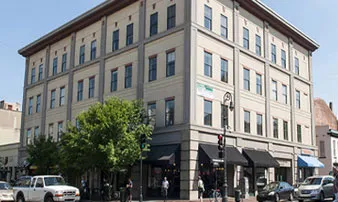
Savannah
100 Bull Street
Suite 200
Savannah, GA 31401
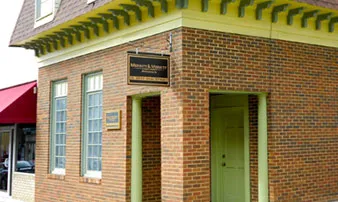
Statesboro
15 West Main Street
Statesboro, GA 30458
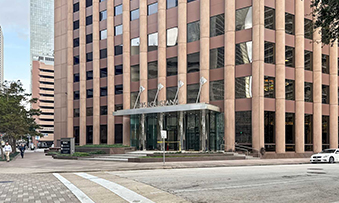
Houston
1415 Louisiana Street,
Suite 1800,
Houston, TX 77002

Jacksonville
841 Prudential Drive
12th Floor
Jacksonville, FL 32207

Contact Us
© Copyright 2026 Merritt & Merritt Law Firm. All rights reserved.