
call us 24/7 1-800-738-WE-WIN
call us 24/7 1-800-738-WE-WIN
Serving All of Georgia, Florida, & Texas
Macon Construction Truck Accident Lawyer
The Complexity of Construction Zones and Heavy Vehicle Blind Spots
Construction zones are everywhere, from city streets and highways to residential developments and commercial projects. Roadwork and building projects are meant to improve infrastructure, but they also pose some of the most dangerous traffic conditions that drivers face. Add large construction trucks to the mix, and the risk of severe and life-threatening injury skyrockets.
Dump trucks, cement mixers, flatbeds, utility trucks and other heavy construction vehicles frequently move in and out of active work zones. These trucks are massive, difficult to maneuver and often operate in tight spaces with limited visibility. When something goes wrong, it tends to be the people in other vehicles around them that take the brunt of the consequences.
That is where we come in. The Macon construction truck accident lawyers at Merritt & Merritt Law Firm help people and families who have been injured in crashes. We are experienced attorneys who have dedicated our careers to getting our clients the full compensation available under the law.
It is crucial to understand how construction truck accidents happen and who can be held accountable for them. That includes not only negligent truck drivers, but also their employers and anyone else for creating the unsafe circumstances that led to the crash or caused it to be more severe.
If you or a loved one has been injured in a truck or other traffic accident, our Macon construction truck accident lawyers are just a phone call away. Call us today at 478-845-6464 to speak with an attorney about your rights and options.
The Construction Truck Threat
Construction trucks pose unique hazards that go beyond ordinary traffic risks.
These vehicles often weigh tens of thousands of pounds and have large blind spots that make it much more difficult for drivers to see what is going on around them. The trucks tend to make wide turns that are unexpected by other motorists and take longer to stop because of the heavy loads they carry.
Unlike standard delivery trucks, construction vehicles frequently move between job sites and public roads, increasing the likelihood of collisions with unsuspecting drivers, cyclists, and pedestrians. Construction trucks also may catch other drivers by surprise when they enter traffic suddenly from work zones.
Many construction truck crashes occur at low speeds. These collisions can still cause serious injuries, especially when a truck backs into a car, cyclist or pedestrian.
Construction Zones and Blind Spots
Construction zones are some of the most confusing and dangerous places on the road. Lanes shift without warning, traffic patterns change daily and massive, hulking vehicles move in and out of cramped spaces surrounded by regular traffic. This creates layers of hidden dangers that most drivers, pedestrians and cyclists cannot reasonably anticipate.
The conditions greatly reduce the margin for error for everyone on the road and force drivers to make quick decisions. Lanes shift laterally, narrow, merge or even end with little or no warning. This can confuse drivers already overwhelmed by a dizzying array of temporary signs, concrete barriers, flashing lights and workers in reflective gear, as well as construction equipment.
There is another layer of danger: Construction drivers operating heavy vehicles often are hindered by large blind spots. Whether they are directly in front of the cab, running along the driver and passenger sides or around a trailer, blind spots make it impossible for truck drivers to see other vehicles around them, let alone adapt to them. Some blind spots can extend multiple car lengths, even when mirrors and cameras are in use.
Blind spots are accentuated in construction zones, because of the tight spaces in which vehicles routinely must operate. Construction zones restrict the turning radius and maneuvering area for trucks, which may force drivers to make wide swings or sharp and unexpected turns without the ability to see who is nearby.
The result is sideswipe and wide turn collisions. Construction trucks changing lanes or shifting positions may collide with vehicles in their side blind spots or force those cars into barriers. Trucks making wide turns can crush vehicles or cyclists that they do not see alongside them or push them into other traffic.
Rear blind spots are especially hazardous because construction trucks constantly stop, back up and reposition constantly. The risks increase when backup alarms are not audible and spotters are distracted or even nowhere to be found.
Construction Vehicles Commonly Involved in Accidents
A wide range of vehicles are used in construction and accidents involving them can happen in a number of different ways. Our Macon construction truck accident lawyers find that some vehicles are more likely than others to be involved in crashes or to cause significant injuries when collisions happen.
Dump Trucks
Dump trucks are difficult to safely maneuver, even for the most experienced drivers. They are often involved in fatal and catastrophic injury accidents because of their size, weight and limited visibility.
The dangers increase when dump trucks pull into traffic without sufficient clearance or back up without adequate spotters. Dump truck drivers risk losing control of the vehicles when they are carrying uneven or poorly secured loads, which can cause them to tip over while attempting to make turns.
Cement Mixers
Cement mixers were designed by folks focused on efficiency on construction project sites, not safety in traffic settings.
These trucks have high centers of gravity and rotating drums, which can greatly impact their balance. Sudden stops or turns can cause rollovers or jackknife-style crashes that sprawl across multiple lanes of traffic and lead to chain-reaction collisions.
Flatbed and Equipment Transport
Flatbed trucks are used to haul construction materials and machinery that is too wide for other types of trucks. The vehicles’ oversize loads make handling them much more challenging because of the breaking and steering dynamics.
Loads that are not properly secured can slide around or off flatbed trucks, even if the vehicles are not involved in collisions. When heavy and large objects are jarred loose during transport, they suddenly create new hazards for everyone else on the road.
Utility and Work Vehicles
Pickup trucks, bucket trucks and utility vehicles also are frequently used across construction zones. These vehicles may stop abruptly, block lanes or make unpredictable movements that contribute to crashes.
Who Can Be Held Responsible for a Construction Truck Crash?
Multiple parties may be responsible when traffic accidents happen, especially then the crash involves a construction truck or occurs in a work zone.
Construction truck drivers frequently are to blame for crashes. Such drivers tend to spend long hours on the job and behind the wheel and may face pressure to complete tasks under tight deadlines. Many are not properly trained to operate heavy vehicles, especially in mixed traffic.
Truck drivers and everyone else who hits the road in Georgia are required to operate their vehicles in a reasonably safe manner under the circumstances. Drivers must comply with traffic laws, remain alert at all times and take basic steps to ensure that their vehicles are in good working order. They also are expected to refrain from dangerous behavior while behind the wheel, like speeding, texting and driving or driving while impaired by drugs or alcohol.
Some of the most common factors we see in construction truck accident cases are:
- Speeding through work zones
- Failure to yield
- Improper backing or turning
Truck drivers are even more likely to make these mistakes when they are fatigued, distracted or impaired.
The construction companies that employ truck drivers typically are on the hook for collisions caused by those drivers. The drivers generally are considered agents of their employers when acting within the scope of their jobs. Companies can also be held responsible for negligent hiring or training, failing to enforce safety protocols, pressuring drivers into unsafe situations and neglecting to properly inspect and maintain trucks.
Determining fault and liability can be complicated in construction accidents because multiple contractors and subcontractors often operate in the same work zones. Any company that is responsible for controlling traffic, warning motorists of hazards or directing truck movement may share liability. Site managers and developers overseeing a project may be responsible for unsafe site design, poor coordination or failure to address known hazards.
Many times a person injured in a crash with a construction truck can still get at least some compensation if he or she is partly to blame for the collision. Georgia operates under a modified comparative liability standard in accident cases. People who are injured in accidents can seek money damages as long as they are less than 50% at fault. Their awards will be reduced, however, based on the proportionate fault.
Merritt & Merritt Law Firm Helps People Get Back on Their Feet
At Merritt & Merritt Law Firm, our Macon construction truck accident lawyers are dedicated to helping people and families who have been injured through no fault of their own. We fight diligently to protect and defend our clients rights.
Our goal is to help you move on with your life after an accident by getting the full compensation available under the law. Call our team at 478-845-6464 for a free, no-risk consultation.
Our Locations

Atlanta/Decatur
1 West Court Square
Suite 750
Decatur, GA 30030
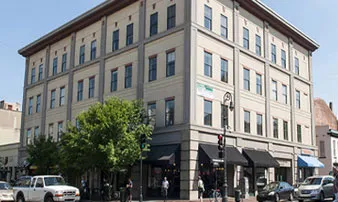
Savannah
100 Bull Street
Suite 200
Savannah, GA 31401
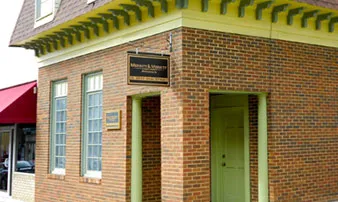
Statesboro
15 West Main Street
Statesboro, GA 30458
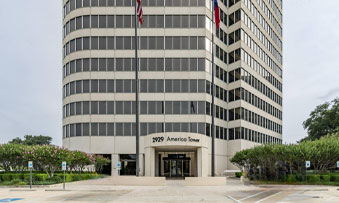
Houston
2929 Allen Pkwy
Suite 200
Houston, TX 77019

Jacksonville
841 Prudential Drive
12th Floor
Jacksonville, FL 32207

Contact Us
© Copyright 2026 Merritt & Merritt Law Firm. All rights reserved.