
call us 24/7 1-800-738-WE-WIN
call us 24/7 1-800-738-WE-WIN
Serving All of Georgia, Florida, & Texas
Macon Catastrophic Injuries Lawyer
Why Certain High-Force Accidents Cause Disproportionate Damage
Some accidents leave bruises, soreness and other injuries that heal with time. Others change people’s lives forever.
Catastrophic injuries cause permanent disabilities, such as spinal cord damage, paralysis, brain damage, amputations and severe burns. These injuries often require lifelong medical care, adaptive equipment and assistance with daily living. They can prevent people from returning to many daily activities that they enjoyed before an accident, impact their personal and family relationships and make it harder for them to earn a living.
The Macon catastrophic injuries lawyers at Merritt & Merritt Law Firm help people who have suffered these and other injuries in a wide range of accidents. We are experienced attorneys who have dedicated our careers to getting injured people and their families the full compensation available under the law.
It is important for people impacted by catastrophic injuries to understand how these injuries happen and what comes next. This information helps people and families make decisions about their future, including how to pursue claims against those responsible.
If you or a loved one has been injured in an accident, our Macon catastrophic injuries lawyers are just a phone call away. Call us today at 478-845-6464 to speak with an attorney about your rights and options.
What Are Catastrophic Injuries?
A broad span of injuries fall into the category of catastrophic. Some of the most common include:
- Traumatic brain injuries (TBIs): Brain injuries happen more frequently than many people suspect. They are a leading cause of death and disability among children and young adults.
- Spinal cord injuries and paralysis: Spinal injuries can severely limit a person’s physical movement, including by losing the ability to control one or more limbs.
- Severe burns: These injuries can result in immediate uncontrollable pain and disfigurement. They frequently require extensive surgery.
- Organ damage: Abdominal trauma in particular can lead to a wide range of internal organ damage, much of which often is not visible.
- Amputations or crushed limbs: Amputations are devastating injuries which result in the loss of a limb or extremity such as an arm, leg, hand, foot, finger or toe.
- Severe nerve damage: Also known as neuropathy, nerve damage disrupts signals between the brain or spinal cord and the body, causing pain, tingling, numbness, weakness or loss of function in muscles and organs.
- Loss of vision or hearing: Blindness and hearing loss greatly impact people’s day to day lives and ability to care for themselves, not to mention their earning capacity.
What catastrophic injuries have in common is the significant pain that they often cause, as well as the lasting impact of how injured people work and live.
Common Causes of Catastrophic Injuries
Catastrophic injuries can happen in a number of different ways. That said, some types of accidents are more likely than others to result in these injuries.
Traffic Accidents
Motor vehicle crashes cause some 9,000 serious accidents across Georgia every year, according to data from the Governor’s Office of Highway Safety. That number has dramatically increased in recent years, with the overwhelming majority of the injuries incurred by occupants in cars and light trucks.
Speeding, aggressive driving and drunk driving are often to blame when traffic accidents happen. While seat belts and airbags are vital safety tools that save lives and reduce injuries, they often are no match for the force of a high speed crash. Vehicle rollovers are among the most severe collisions, often resulting in multiple impacts, collapsing roofs and occupants being ejected from their vehicles.
Motorcyclists, bicycle riders and pedestrians also are at high risk of catastrophic injuries caused by crashes. These folks do not have the protection of airbags, seat belts and crumple zones to absorb the impact of oncoming vehicles. Even low-speed collisions can cause catastrophic injuries because motorcyclists, bike riders and pedestrians are often thrown into the air and susceptible to additional crashes with other traffic.
Massive 18-wheelers and other large commercial trucks pose a particular threat to everyone else because of the size of the vehicles and the long hours that truckers often spend behind the wheel. Truck accidents frequently involve multiple impacts, rollovers, or underride collisions, which dramatically increase injury severity.
Falls From Heights
Slips or trips and falls happen all the time, causing injuries that range from relatively minor bumps and bruises to the life-threatening. Falls from heights – like off of ladders, scaffolding, roofs, balconies and staircases – are especially dangerous. They can lead to traumatic brain injuries, spinal fractures and paralysis, pelvic and hip fractures, and internal bleeding. The higher the fall, the less time the body has to react and the more devastating the impact.
These kinds of accidents are all too common on construction sites in Georgia and across the country. People on worksites also risk other injuries from mishaps with heavy machinery and equipment, falling objects, equipment malfunctions and electrical hazards. The good news is that many people injured on construction sites are entitled to workers’ compensation benefits. Workers’ compensation is a form of insurance that covers medical costs and missed income due to injuries and illnesses sustained on the job.
How High-Force Accidents Can Lead to Extensive Damage
Catastrophic injuries frequently are caused by high-force accidents, with damage spreading far beyond the point of impact, affecting the brain, spine, internal organs and nervous system.
Force is the push or pull on one object that results from its interaction with another object, which causes changes in motion, like speeding up, slowing down or changing direction. It is measured by multiplying mass and acceleration. In other words, the larger the object and the faster it moves, the greater the force.
High-force collisions and other accidents tend to cause catastrophic accidents when force enters the body faster than tissues can absorb or redistribute it, making the damage widespread and severe.
Car, truck and other traffic accidents are among the most common-high force incidents that can result in catastrophic injuries. Cars and trucks are large, heavy objects that tend to travel at high speeds and create enormous kinetic energy. When these vehicles come to a stop suddenly in an accident, that energy has to go somewhere. Often, it goes into the human bodies of drivers and passengers.
Even a brief increase in speed or vehicle weight can dramatically increase the force transferred during impact. That is why collisions with commercial trucks, construction vehicles and sport utility vehicles so often result in catastrophic injuries.
Sudden deceleration can wreak havoc on the body even when a vehicle brakes hard enough and with enough time to avoid colliding with others. Your body may stop suddenly, but your organs keep moving for at least a moment. Your brain may slam against your skull, your internal organs could shift or tear and your blood vessels could stretch and rupture. These injuries, and spinal cord damage caused from violent compression or traction, may not be immediately visible, but they can be devastating and permanent.
The human brain is particularly vulnerable in high-impact accidents. Traumatic brain injuries often occur even when there is no direct blow to the head.
The brain is soft, delicate and suspended in fluid, rather than anchored in place. High-force accidents can cause the brain to rotate violently inside the skull and nerve fibers to stretch or tear. Pressure can rise rapidly inside the skull and brain swelling after the impact may cut off oxygen and blood flow.
The symptoms of these injuries include:
- Headaches
- Nausea and vomiting
- Light and noise sensitivity
- Fatigue and trouble sleeping
- Cognitive impairment
- Personality changes
- Memory loss
- Loss of executive function
These injuries can greatly impact people’s ability to think and navigate daily life. They can also weigh heavily on personal and family relationships.
The spinal cord is also at risk in high-force accidents. This narrow bundle of tissues carries signals between the brain and the body, controlling motor function and balance, as well as regulating bodily functions. It has very little tolerance for trauma. High-force accidents can cause vertebrae to fracture or collapse, discs to rupture, ligaments to tear and bone fragments to put pressure on the spinal cord.
Spinal injuries often impact:
- Movement and strength
- Sensation (numbness, tingling, burning)
- Balance and coordination
- Bowel and bladder control
- Sexual function
- Breathing and organ function
Severe injuries also may result in paralysis, or the loss of control in one or more limb.
Like other catastrophic injuries, spine damage often is misdiagnosed. It is prone to worsen if not properly treated. Delayed progression does not necessarily mean that the injury was not catastrophic from the start.
Merritt & Merritt Law Firm Helps People Get Back on Their Feet
At Merritt & Merritt Law Firm, our Macon catastrophic injuries lawyers are dedicated to helping people and families who have been injured through no fault of their own. We fight diligently to protect and defend our clients rights, from the first consultation through final resolution.
Our goal is to help you move on with your life after an accident by getting the full compensation available under the law. Call our team at 478-845-6464 for a free, no-risk consultation.
Our Locations

Atlanta/Decatur
1 West Court Square
Suite 750
Decatur, GA 30030

Savannah
100 Bull Street
Suite 200
Savannah, GA 31401

Statesboro
15 West Main Street
Statesboro, GA 30458
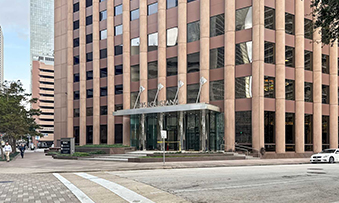
Houston
1415 Louisiana Street,
Suite 1800,
Houston, TX 77002

Jacksonville
841 Prudential Drive
12th Floor
Jacksonville, FL 32207

Contact Us
© Copyright 2026 Merritt & Merritt Law Firm. All rights reserved.