
call us 24/7 1-800-738-WE-WIN
call us 24/7 1-800-738-WE-WIN
Serving All of Georgia, Florida, & Texas
Houston Slip and Fall Attorneys
A fall can happen in seconds. The consequences can last much longer: pain, missed work, medical appointments, and uncertainty about who will pay the bills. If you were hurt after slipping or tripping on someone else’s property in Houston, Merritt & Merritt Law Firm can help you understand your options. Call 713-535-7051 to discuss what happened.
Not every fall gives rise to a legal claim. But when a dangerous property condition contributes to an injury, the circumstances deserve careful investigation. Where did the fall happen? What made the surface unsafe? Who controlled that area, and what did they know—or what should they have known—before the incident? Answers to those questions can make the difference between a plausible claim and a difficult one.
Where Do Slip and Fall Accidents Happen in Houston?
A fall may occur at a grocery store, restaurant, apartment complex, hotel, office building, parking garage, shopping center, or other property. Hazards can include a spill, a slick entrance, a loose mat, uneven flooring, broken stairs, poor lighting, or debris in a walkway. The location alone does not establish fault. The specific condition, the property operator’s knowledge, and the response to the hazard matter.
Houston’s frequent rain can bring water into entrances and onto walking surfaces. That does not mean every wet floor is automatically actionable. A useful investigation asks whether the condition posed an unreasonable risk, whether the responsible party had notice of it, and whether reasonable precautions were taken under the circumstances.
Falls can also occur outside a business: along a walkway, near a curb, or in a parking area. The person or entity responsible for the location may not be immediately obvious. A lease, maintenance agreement, or arrangement with a contractor may affect who controlled the area and who should be investigated. Identifying the right party early can help preserve records and evidence.
What Must Be Shown in a Texas Premises Liability Case?
For a typical claim by a customer or other invitee based on a condition of the premises, Texas law generally requires proof that the owner or operator actually knew or reasonably should have known of the condition; that it posed an unreasonable risk of harm; that the owner or operator failed to use reasonable care to reduce or eliminate the risk; and that this failure caused the injury. These requirements are described in Keetch v. Kroger Co., 845 S.W.2d 262 (Tex. 1992). The applicable duty can differ depending on the visitor’s status and the particular facts.
Notice is often disputed. A hazard may be visible in a photograph taken after the fall, but that picture may not show how long it was there or whether someone responsible saw it beforehand. An employee’s prior report, a warning from another customer, inspection records, witness accounts, and video may help establish what the property operator knew or had a reasonable opportunity to discover.
Even evidence that a business created a condition does not automatically establish its knowledge of the resulting danger as a matter of law. It can, however, be relevant circumstantial evidence. That distinction is one reason a thorough investigation matters. Keetch v. Kroger Co., 845 S.W.2d 262 (Tex. 1992).
A claimant must also connect the unsafe condition to the fall and the fall to the injuries claimed. If an insurer argues that the condition was harmless or that an injury came from another cause, contemporaneous photographs, medical records, and witness testimony may become especially important.
What Should You Do After a Slip and Fall?
Get medical attention. Some injuries are immediately apparent; others may become clearer over the following hours or days. Tell your provider how you fell and describe the symptoms you are experiencing. Follow-up care can protect your health and create a record of how the injury developed.
Report the incident. Tell the manager, property owner, or another appropriate person as soon as practicable. Ask how to obtain a copy of any incident report. When describing what happened, stick to what you actually observed. If you do not know what caused the fall, do not guess.
Preserve what you can. If it is safe to do so, photograph the condition, the surrounding area, your footwear, and any visible injuries. Note whether there were warning signs and where they were placed. Obtain the names and contact details of witnesses. Keep receipts, discharge papers, work notes, and communications about the incident. Avoid altering or discarding the shoes or clothing involved until you have obtained advice about preserving evidence.
Act promptly to protect video and records. Surveillance footage may be overwritten in the ordinary course of business. Inspection logs, cleaning records, maintenance requests, and prior complaints may also be relevant. You may not have access to these materials yourself, which makes a prompt preservation request important.
Be careful with early statements and releases. An insurer may ask for a recorded statement or offer a quick payment before the full extent of an injury is known. You can ask what information is being requested and take time to understand any document before signing it. A settlement and release may affect your ability to seek additional compensation later.
If emergency care is needed, prioritize your health over gathering evidence. A friend or family member may be able to document the scene, but only when doing so is safe and appropriate.
Injuries and Losses After a Fall
Falls can cause fractures, sprains, head injuries, back or neck injuries, and other harm. The impact may extend beyond the first emergency-room visit. Someone may need follow-up imaging, physical therapy, time away from work, help with daily activities, or changes to an existing treatment plan. The extent and value of a claim depend on the evidence and the injuries actually sustained.
Depending on the facts, recoverable losses may include reasonable medical expenses, lost earnings, diminished earning capacity, physical pain, mental anguish, and physical impairment. Each category requires support. Bills and pay records can help establish financial losses; treatment notes, testimony, and other records may help explain how the injury affected daily life. We do not assume that every type of damage applies to every case.
Preexisting medical conditions do not necessarily answer every question about a new injury, but they may make causation more contested. Accurate medical histories and a clear account of what changed after the fall are important. Avoid minimizing symptoms or attributing every later problem to the incident without medical support.
Can You Recover If You Were Partly at Fault?
Property owners and insurers may argue that the injured person was distracted, failed to see the condition, or ignored a warning. Those assertions must be evaluated against the actual evidence, not simply accepted because they were made. Texas uses proportionate-responsibility rules. In an action to which the statute applies, a claimant may not recover damages if the claimant’s percentage of responsibility is greater than 50 percent. Tex. Civ. Prac. & Rem. Code § 33.001.
A disputed account of how the fall happened is a reason to examine the scene, witness observations, warning signs, photographs, and available footage. It is not a reason to assume that the claim is automatically lost—or automatically successful.
How Long Do You Have to File a Slip and Fall Lawsuit in Texas?
Texas generally requires a personal-injury lawsuit to be filed within two years after the claim accrues, subject to statutory provisions and exceptions that may affect a particular case. Tex. Civ. Prac. & Rem. Code § 16.003(a). Do not assume that making an insurance claim or reporting the fall to a manager files a lawsuit or preserves your court deadline. Claims involving a government entity can involve different rules and notice requirements, so prompt, case-specific review is especially important.
Time also matters apart from the filing deadline. Video systems recycle footage, witnesses’ memories fade, and floor conditions change. Taking action early can give an attorney a better chance to identify witnesses and request that relevant evidence be retained.
How Merritt & Merritt Law Firm Can Help
A slip and fall case is more than a photograph of a wet floor. It involves questions about property control, notice, reasonable precautions, medical causation, and the losses caused by the injury. In evaluating a potential case, Merritt & Merritt Law Firm can discuss the location and sequence of events with you, identify potential sources of evidence, and assess the issues that may affect liability and damages.
The investigation may call for reviewing photographs and available video; identifying employees or other witnesses; seeking inspection, cleaning, and maintenance information; and examining records of the injury and its effect on work and everyday activities. What can be obtained depends on the facts, the parties involved, and the legal process available. Our aim is to help you make informed decisions based on evidence rather than an early assumption about fault.
An insurance adjuster may focus on whether a spill was reported, whether anyone inspected the area, or whether the fall appears on video. Those are fair questions to examine carefully. A meaningful evaluation also looks at the timing and quality of inspections, the surrounding circumstances, and any competing explanation for the incident. An attorney can help assess the strengths and weaknesses of the evidence before you decide how to proceed.
Frequently Asked Questions
What if no one saw me fall?
A witness can be helpful, but the absence of an eyewitness does not by itself establish that no claim exists. Photographs, video, incident reports, statements made shortly afterward, and medical records may provide other evidence. The central questions remain what caused the fall, what the responsible party knew or should have known, and whether the condition caused injury.
What if the hazard was cleaned up immediately?
A cleaned-up condition may be harder to document, but it does not erase what happened. Record what you remember while it is fresh, identify anyone who saw the condition, and preserve any photographs or messages. Available video and business records may also help reconstruct the circumstances.
Should I wait until treatment is complete before calling?
You need not wait to seek information about your rights. An early conversation can address preservation of evidence and deadlines while your treatment continues. The full medical picture may take time to develop, and an initial discussion need not predict a final case value.
Does a fall at a business mean the business must pay?
No. A business is not automatically liable whenever a visitor falls. The claim depends on the applicable legal duty and proof of an unreasonably dangerous condition, notice, failure to exercise reasonable care, causation, and injury. The evidence may support, weaken, or defeat a claim.
Talk With a Houston Slip and Fall Attorney
If a fall has left you with injuries and unanswered questions, you do not have to sort through the incident alone. Tell Merritt & Merritt Law Firm where it happened, what you observed, and what has occurred since. We can discuss the evidence and the issues that may shape your options. Call 713-535-7051 to speak with us about a Houston slip and fall incident.
This page provides general information about Texas law, not a prediction of the result in any particular case.
Our Locations

Atlanta/Decatur
1 West Court Square
Suite 750
Decatur, GA 30030

Savannah
100 Bull Street
Suite 200
Savannah, GA 31401
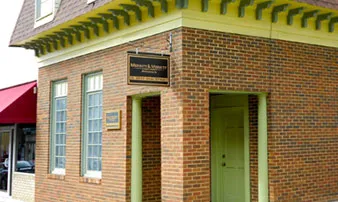
Statesboro
15 West Main Street
Statesboro, GA 30458
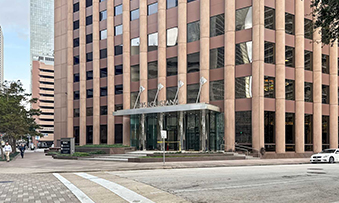
Houston
1415 Louisiana Street,
Suite 1800,
Houston, TX 77002

Jacksonville
841 Prudential Drive
12th Floor
Jacksonville, FL 32207

Contact Us
© Copyright 2026 Merritt & Merritt Law Firm. All rights reserved.