
call us 24/7 1-800-738-WE-WIN
call us 24/7 1-800-738-WE-WIN
Serving All of Georgia, Florida, & Texas
Houston Pedestrian Accident Attorneys
Injured While Walking in Houston? Let’s Talk About What Happened.
A pedestrian has little protection when a car, truck, or other vehicle strikes them. Even a collision at a relatively low speed can leave someone facing emergency treatment, missed work, and months of uncertainty. If you or someone you love was hit while walking in Houston, Merritt & Merritt Law Firm can discuss what happened and the questions you may have about a potential injury claim. Call 713-535-7051.
Pedestrian crashes can happen at marked crosswalks, intersections, parking lots, driveways, and along roads where people must share space with traffic. The legal answer is not always as simple as asking whether the pedestrian was inside a painted crosswalk. Where the collision occurred, what each person could see, the traffic signals, and the actions of everyone involved all matter. An early review of the available evidence can help clarify those details.
Common Causes of Pedestrian Accidents
A driver may fail to notice someone crossing because they are looking at a phone, watching another lane, speeding, or turning without checking the area ahead. Other collisions involve a motorist backing out of a parking space, pulling through a driveway, or driving after drinking. Poor visibility, vehicle blind spots, and confusing traffic patterns can complicate the picture.
Some recurring situations include:
- Turning vehicles: A driver focuses on finding a gap in traffic and overlooks a person crossing the street.
- Crosswalk collisions: A driver fails to stop or yield when required, or passes a vehicle that has stopped for a pedestrian.
- Parking-lot and driveway crashes: A vehicle enters or exits an area used by people on foot without adequate lookout.
- Distracted or impaired driving: A driver’s attention or ability to respond is compromised.
- Low-light collisions: Visibility, lighting, clothing, and vehicle speed become important evidence.
A crash can have more than one contributing cause. A useful investigation examines the complete sequence of events rather than assuming that one fact settles responsibility.
What Texas Law Says About Crosswalks
Texas law sets particular duties at crosswalks. Where no traffic-control signal is in place or operating, a vehicle operator must stop and yield to a pedestrian in a crosswalk who is on the vehicle’s half of the roadway or close enough from the opposite half to be in danger. The law also prohibits a driver approaching from behind from passing a vehicle stopped at a crosswalk to let a pedestrian cross. A pedestrian, however, may not suddenly step into the path of a vehicle so close that the driver cannot stop and yield. These rules are fact-specific; other traffic rules may apply when signals are operating or when the person is crossing elsewhere. Tex. Transp. Code § 552.003.
The presence of a crosswalk does not automatically decide every injury claim. Witness accounts, signal timing, camera footage, vehicle damage, and the location of impact may all help establish what happened. If the driver or insurer says you were partly at fault, that is a reason to examine the evidence—not necessarily a reason to abandon the claim.
Injuries and Losses After a Pedestrian Crash
Pedestrian injuries range from bruises and fractures to traumatic brain injuries, spinal injuries, and lasting mobility problems. Some symptoms may not be obvious at the scene. Medical evaluation matters both for your health and for documenting how the collision affected you.
Depending on the facts and applicable law, a claim may seek compensation for medical expenses, future care needs, lost income, reduced earning ability, physical pain, and other legally recoverable losses. The amount and availability of compensation depend on proof of responsibility, the nature of the injuries, and the evidence of loss. No attorney can determine the value of a particular claim from a crash description alone.
Severe injuries can also change everyday life. A person may need help getting to appointments, may be unable to perform usual household tasks, or may struggle to return to a job that requires standing and walking. Keeping treatment records, bills, work records, and a clear account of these changes can help show the full effect of the crash.
Who May Be Responsible?
The driver is often the first person whose conduct is examined, but the inquiry should not end there. The vehicle may have been operated in the course of someone’s work, another motorist may have contributed to the collision, or a different circumstance may warrant investigation. Identifying a potentially responsible person or entity requires evidence, not assumptions.
Texas also applies proportionate-responsibility rules in covered cases. A claimant whose percentage of responsibility is greater than 50% cannot recover damages under that rule. That makes accurate reconstruction important when fault is disputed. Tex. Civ. Prac. and Rem. Code § 33.001.
Statements made in the first hours after a collision may not capture everything. Someone who is injured, shaken, or receiving treatment may not know what a driver saw or whether surveillance video exists. The available evidence should be evaluated before accepting an insurer’s version of events as final.
Evidence That Can Matter
Evidence can disappear quickly. Video may be overwritten; vehicles may be repaired; and witnesses may become harder to locate. Depending on the circumstances, useful material may include:
- Police crash reports and any available photographs or scene measurements;
- Nearby business, doorbell, dashcam, or traffic-camera footage;
- Names and contact details for witnesses;
- Photos of the crosswalk, traffic controls, lighting, obstructions, and damage;
- Medical records connecting treatment and symptoms to the collision; and
- Pay records or other documents showing income affected by the injuries.
Not every case will have every category of evidence. If you can safely do so, preserve photos, correspondence, bills, and the clothing or personal items damaged in the incident. Avoid altering original recordings. An attorney can assess what additional records may be obtainable and what steps are appropriate to preserve them.
What to Do After Being Hit by a Vehicle
Get medical attention. Follow emergency guidance and tell your provider about all symptoms, even if they seem minor at first. If new symptoms appear, seek appropriate follow-up care.
Report the collision and keep the details. If officers respond, note the agency and report number when available. Write down the location, approximate time, vehicle information, and contact information for witnesses while those details are fresh.
Document what you can safely document. Photos of the scene, visible injuries, traffic signals, and nearby cameras may be helpful. Do not put yourself in danger to collect evidence.
Be careful with early insurance communications. An adjuster may request a statement, medical authorization, or quick settlement. Before agreeing, make sure you understand what is being requested and whether the scope of your injuries is known. A settlement can affect your ability to pursue further compensation.
Ask about the deadline. In Texas, the general limitations period for a personal-injury suit is two years after the claim accrues. A suit for an injury resulting in death generally must be brought within two years after the date of death. Exceptions or different requirements may affect a particular case, so do not rely on a general rule to calculate your own deadline. Tex. Civ. Prac. and Rem. Code § 16.003.
How a Pedestrian Injury Claim Is Evaluated
A sound evaluation starts with two questions: what caused the collision, and what harm did it cause? The answer may require reviewing the scene, comparing witness accounts, obtaining records, and understanding the medical course. Sometimes the central dispute is whether the driver yielded. In other cases, the collision itself is undisputed but the parties disagree about the severity or duration of the injuries.
Insurance coverage is another practical consideration. The driver may have applicable liability insurance; other potential sources of coverage depend on the people, vehicles, and policies involved. The existence of insurance does not itself establish fault or guarantee payment. Likewise, a settlement offer is not necessarily a full assessment of future treatment needs or lost earning capacity.
An attorney can help organize the available records, evaluate disputed responsibility, communicate about the claim, and assess whether negotiation or litigation is appropriate. Every case turns on its own facts. The goal is to make decisions with a clear understanding of the evidence and the potential consequences of each option.
Questions Houston Pedestrians Often Ask
Can I have a claim if I was outside a marked crosswalk?
Possibly. The location of the crossing is important, but it does not by itself answer whether a driver acted negligently or whether the pedestrian shares responsibility. The roadway layout, traffic controls, visibility, timing, and conduct of everyone involved need to be reviewed.
What if the driver says I stepped out suddenly?
That allegation should be tested against the evidence. Texas law does address a pedestrian suddenly entering a crosswalk when a vehicle is too close to stop, but the legal effect depends on what actually happened. Video, witness observations, vehicle speed, and the point of impact may be especially relevant. Tex. Transp. Code § 552.003(b).
Should I wait until I finish treatment before asking questions?
You do not have to wait to learn about your options. Early questions can help identify evidence that may not remain available. At the same time, the long-term impact of an injury may take time to understand, so be cautious about resolving a claim before that picture is clear.
How long do I have to file?
The general Texas personal-injury filing period is two years after the claim accrues, but a specific deadline should be assessed from the facts of your case. Claims involving particular defendants or circumstances may require attention sooner. Tex. Civ. Prac. and Rem. Code § 16.003(a).
Speak With Merritt & Merritt Law Firm
A pedestrian collision can leave you trying to manage treatment, work, and insurance questions at the same time. You deserve a careful look at the facts and a straightforward discussion of possible next steps. If you were injured while walking in Houston, contact Merritt & Merritt Law Firm at 713-535-7051 to discuss your situation.
This page provides general information about Texas law, not a prediction of any case’s outcome. Deadlines and legal rights depend on the particular facts.
Our Locations
Atlanta/Decatur
1 West Court Square
Suite 750
Decatur, GA 30030
Savannah
100 Bull Street
Suite 200
Savannah, GA 31401
Statesboro
15 West Main Street
Statesboro, GA 30458
Houston
1415 Louisiana Street,
Suite 1800,
Houston, TX 77002
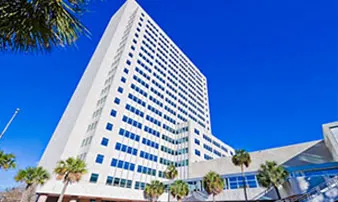
Jacksonville
841 Prudential Drive
12th Floor
Jacksonville, FL 32207

Contact Us
© Copyright 2026 Merritt & Merritt Law Firm. All rights reserved.