
call us 24/7 1-800-738-WE-WIN
call us 24/7 1-800-738-WE-WIN
Serving All of Georgia, Florida, & Texas
Houston Motorcycle Accident Attorneys
A motorcycle ride can change in an instant when a driver turns across your lane, merges without looking, or follows too closely. Unlike occupants of passenger vehicles, riders have little protection from the force of a collision. Even a crash at a modest speed can leave someone facing serious injuries, missed work, medical bills, and difficult questions about insurance.
If you were hurt in a motorcycle accident in Houston, Merritt & Merritt Law Firm can help you understand your options and the issues that may affect your claim. Call 713-535-7051 to discuss what happened. If a loved one was killed in a crash, you can also contact us about the questions your family is facing.
Motorcycle Crashes Deserve a Careful Investigation
Motorcycle collisions are not all alike. A driver may fail to yield while turning left, change lanes into a rider, run a red light, or open a vehicle door into the motorcycle’s path. Road conditions, debris, visibility, traffic patterns, and the actions of multiple drivers may also matter. The location and damage to the vehicles alone may not tell the whole story.
An investigation may involve photographs of the scene and vehicles, witness accounts, available video, police records, vehicle data, and medical records. Some evidence can disappear quickly: a nearby camera may overwrite footage, vehicles may be repaired, and witnesses may become harder to reach. Preserving information early can make it easier to evaluate how the crash occurred and respond if an insurer disputes the rider’s account.
The fact that someone was riding a motorcycle does not by itself establish that the rider caused the crash. A claim should be evaluated on the evidence—not assumptions about motorcyclists.
Common Causes of Houston Motorcycle Accidents
Congested intersections and multilane roads create situations in which a motorcyclist may have little time to react to another person’s mistake. Potential causes include:
- Left-turn collisions. A driver turning across traffic may misjudge a motorcycle’s distance or speed, or fail to see it at all.
- Unsafe lane changes. A motorist who does not check mirrors and blind spots may move into an occupied lane.
- Distracted driving. Attention diverted to a phone, navigation system, or passenger can delay a driver’s response.
- Following too closely. A rear-end collision can throw a rider from the motorcycle or push it into other traffic.
- Speeding or impaired driving. These behaviors may reduce a driver’s ability to notice a hazard and avoid impact.
- Road hazards. Loose gravel, uneven pavement, debris, or poorly marked work areas can present particular dangers to a two-wheeled vehicle.
Identifying a possible cause is only the beginning. Responsibility depends on the specific facts, the applicable legal duties, and the evidence connecting someone’s conduct to the injuries. In some crashes, more than one party may need to be considered.
Injuries and Losses After a Motorcycle Crash
Motorcycle crashes can cause fractures, head injuries, spinal injuries, road rash, damage to internal organs, and other injuries requiring urgent care. Some symptoms or limitations may become clearer only after follow-up appointments. Recovery can involve surgery, rehabilitation, time away from work, and changes to daily activities.
A personal injury claim may involve past and future medical expenses, lost income, reduced earning capacity, physical pain, mental anguish, and other losses supported by the evidence and allowed by law. Damage to the motorcycle and riding gear may present separate property-loss issues. The value of a claim cannot be determined from the type of crash alone; it depends on the injuries, documentation, liability evidence, available coverage, and other case-specific factors.
Keep records of your appointments, prescriptions, expenses, missed work, and how your injuries affect ordinary tasks. Those details may help explain the full impact of the collision rather than only the costs incurred immediately afterward.
What Should You Do After a Motorcycle Accident?
Your health comes first. Seek emergency care when needed, and follow up with a medical professional even if you initially believe you can walk away from the crash. If it is safe and possible to do so, the following steps may also help protect important information:
- Report the collision and obtain the information needed to locate the crash report.
- Photograph the vehicles, roadway, traffic controls, visible injuries, and damaged gear.
- Exchange contact and insurance information with the other drivers and note any witnesses.
- Preserve your helmet, clothing, motorcycle, and other potentially relevant items rather than discarding or repairing them before they are documented.
- Keep copies of medical records, bills, receipts, and communications with insurers.
Do not risk your safety to collect evidence at the scene. If you were taken for treatment or could not photograph the area, other sources of information may still be available. Be accurate when reporting what you remember, and avoid guessing about speed, distance, injuries, or who was at fault.
An insurer may seek a recorded statement or propose an early settlement while the extent of the injuries is still uncertain. Before agreeing to a final resolution, it is important to understand what losses it covers and whether additional treatment or work restrictions are likely. Every claim is different, and the next appropriate step depends on your circumstances.
How Fault Can Affect a Texas Motorcycle Claim
Disagreements about fault are common. An insurance company may contend that a rider was speeding, failed to avoid the collision, or otherwise contributed to the crash. Those allegations should be tested against the available evidence, not simply accepted because the vehicle involved was a motorcycle.
Texas applies proportionate-responsibility rules to covered claims. Under Texas Civil Practice and Remedies Code § 33.001, a claimant whose percentage of responsibility is greater than 50% cannot recover damages in an action to which that chapter applies. Fault questions can therefore have significant consequences. The precise effect of any fault allocation depends on the facts and the rules governing the particular claim.
A useful assessment considers what each participant could see, the timing of the vehicles’ movements, traffic signals and signs, physical evidence, witness descriptions, and any available video. If a driver says the motorcycle “came out of nowhere,” that statement is an allegation to investigate—not a substitute for reconstruction of the events.
Deadlines Matter
Texas generally requires a lawsuit for personal injury to be filed within two years after the claim accrues. The statute also sets a two-year period for an action for injury resulting in death, measured from the injured person’s death. These rules appear in Texas Civil Practice and Remedies Code § 16.003. Particular claims and circumstances may raise different timing questions, so do not assume that the general rule supplies your exact deadline.
Waiting can create practical problems even before a filing deadline approaches. Video may be lost, witnesses may forget details, and the condition of vehicles or the roadway may change. Promptly gathering records and identifying potential sources of evidence can help you make informed decisions about whether and how to pursue a claim.
Insurance Questions May Be More Complicated Than They First Appear
A crash may involve the other driver’s liability coverage, the rider’s own policy, and questions about what each policy covers. There may also be disagreements over the extent of injuries, whether particular treatment is related to the crash, or whether a settlement offer reflects future needs. Policy terms and coverage limits must be evaluated in the context of the actual accident; no particular source or amount of insurance can be assumed.
When speaking with an insurer, keep a record of who contacted you, what information was requested, and any deadline or offer communicated. If you do not know the answer to a question, say so rather than estimating. It may take time for medical providers to assess the course of recovery, especially when symptoms persist or additional treatment is recommended.
How Merritt & Merritt Law Firm Can Help
A motorcycle injury claim involves more than completing an insurance form. It may require identifying the people or entities involved, obtaining and preserving evidence, reviewing medical and wage records, assessing disputed fault, and evaluating an insurer’s response. Merritt & Merritt Law Firm can discuss these issues with you and help determine what steps make sense for your situation.
We understand that questions often arrive at the worst possible time: while you are recovering, arranging transportation, missing work, or helping a family member through a serious injury. You should be able to ask what a claim may involve and what information would be useful without having to guess at the legal process. A conversation about the circumstances of your crash is a starting point, not a promise of any particular outcome.
Frequently Asked Questions
Can I pursue a claim if I was partly at fault?
Possibly. Being assigned some responsibility does not automatically end every Texas claim, but the percentage attributed to each party matters. The evidence and the applicable proportionate-responsibility rules should be evaluated before drawing conclusions.
What if the driver says they did not see me?
That explanation does not resolve fault by itself. The circumstances surrounding the collision—including visibility, lane position, right of way, and the driver’s attention—may be relevant. Photos, witness accounts, and other records may help clarify what happened.
What if my injuries seemed minor at first?
Some injuries become more apparent over time. Seek appropriate medical evaluation, explain your symptoms accurately, and keep records of any follow-up care. Avoid assuming that an early estimate of your losses will necessarily capture the full effect of the crash.
What if a family member died in the crash?
A fatal motorcycle accident raises different questions about eligible claimants, losses, evidence, and deadlines. The family’s options depend on the particular circumstances. You can contact us to discuss the crash and the information available so far.
Talk With a Houston Motorcycle Accident Attorney
You do not have to sort through medical records, disputed accounts, and insurance questions alone. If you were injured in a Houston motorcycle crash—or are seeking answers after the death of a loved one—contact Merritt & Merritt Law Firm at 713-535-7051. Tell us what happened, and we can discuss the issues that may shape the next steps.
Our Locations

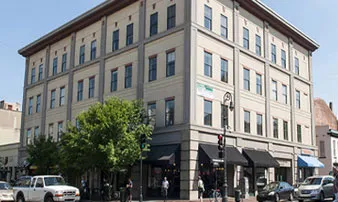
Atlanta/Decatur
1 West Court Square
Suite 750
Decatur, GA 30030
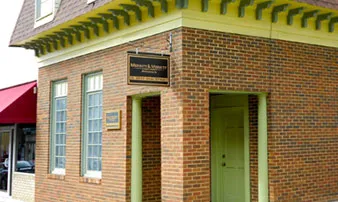
Savannah
100 Bull Street
Suite 200
Savannah, GA 31401
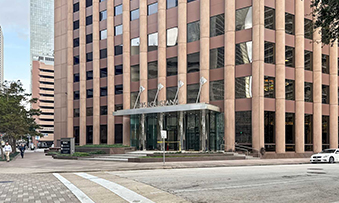
Statesboro
15 West Main Street
Statesboro, GA 30458
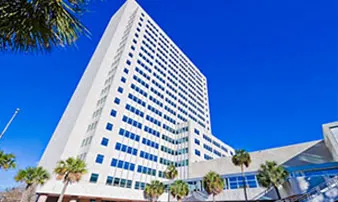
Houston
1415 Louisiana Street,
Suite 1800,
Houston, TX 77002
Jacksonville
841 Prudential Drive
12th Floor
Jacksonville, FL 32207

Contact Us
© Copyright 2026 Merritt & Merritt Law Firm. All rights reserved.