
call us 24/7 1-800-738-WE-WIN
call us 24/7 1-800-738-WE-WIN
Serving All of Georgia, Florida, & Texas
Houston Bicycle Accident Attorneys
A bicycle ride can change in an instant when a driver fails to see a cyclist, turns across a bike lane, or opens a car door into a rider’s path. Without the protection of a vehicle’s frame, a cyclist may face serious injuries, medical bills, missed work, and uncertainty about what comes next. If you were hurt while riding in Houston, Merritt & Merritt Law Firm can discuss your circumstances and the options that may be available to you. Call 713-535-7051.
The aftermath of a bicycle crash is often confusing. You may be receiving calls from an insurer while still trying to arrange treatment or repair your bicycle. You may also be wondering whether a driver’s version of events will be accepted simply because you were riding on the road. The details matter: the location of the collision, the movements of everyone involved, the applicable traffic rules, and the evidence available to show what happened.
Bicycle Crashes Can Cause Lasting Harm
A cyclist may be struck at an intersection, sideswiped while traveling beside traffic, hit by a vehicle entering from a driveway, or thrown after a collision with an opening car door. A crash involving a truck or other large vehicle can be especially severe. Even a collision at relatively low speed can send a rider onto the pavement or into another vehicle.
Common injuries may include fractures, head or brain injuries, spinal injuries, road rash, shoulder and knee injuries, and damage to the hands or wrists. Some injuries are immediately obvious; others become clearer only after medical evaluation and follow-up care. The effects may extend beyond the initial emergency visit. A rider could need therapy, time away from work, help with daily activities, or changes to routines that previously required little thought.
The value of a claim depends on the particular injuries and losses—not on a generic figure for bicycle accidents. Medical records, employment information, photographs, and an account of how the injuries affect daily life can help document the full picture. Keeping track of symptoms and attending recommended follow-up appointments also creates a more complete record of your recovery.
How Houston Bicycle Accidents Happen
No two collisions are identical, but several patterns recur in disputes involving drivers and cyclists:
- Failure to yield: A driver turns or enters an intersection without yielding to a cyclist who has the right of way.
- Unsafe turns: A vehicle turns across a cyclist’s line of travel, including near a bike lane or at a driveway.
- Unsafe passing: A driver moves too close to a cyclist or merges before there is enough room.
- Dooring: Someone opens a vehicle door into a cyclist’s path without checking for approaching traffic.
- Distracted or impaired driving: A driver fails to notice a rider or react in time.
- Hazardous road conditions: A pothole, debris, poor visibility, or another condition may contribute to a crash; responsibility for such a condition depends on the facts and the applicable law.
A collision report is useful, but it may not capture every detail. Nearby cameras, witness statements, damage to the bicycle and vehicle, photographs of the scene, and the position of traffic controls may all help explain how the crash occurred. Evidence can disappear quickly as vehicles are repaired, video is overwritten, and witnesses become harder to reach. Preserving what you can, safely and promptly, may make a meaningful difference.
What Texas Law Says About Cyclists and Fault
Texas law generally gives a person operating a bicycle the rights and duties that apply to a driver, unless a bicycle-specific rule changes them or a rule cannot sensibly apply to a bicycle. See Texas Transportation Code § 551.101. A cyclist’s presence on the roadway does not, by itself, mean that the cyclist caused a collision.
Texas also has rules about where a slower-moving cyclist rides on a roadway. The rule calling for travel as near as practicable to the right curb or edge has important exceptions, including when a rider is preparing to turn left, passing another vehicle, avoiding a hazard, or using a lane too narrow for a bicycle and motor vehicle to travel safely side by side. The full circumstances must be considered rather than assuming a cyclist was at fault for riding away from the curb. See Texas Transportation Code § 551.103.
An insurer may argue that a cyclist contributed to a crash by choosing a particular lane position, failing to use a light, or not reacting soon enough. Those assertions require examination of the facts; they are not a final determination of fault. Under Texas’s proportionate-responsibility rules, a claimant generally cannot recover damages in an action covered by the statute if their responsibility is greater than 50%. If recovery is not barred, the court reduces damages by the claimant’s percentage of responsibility. See Texas Civil Practice and Remedies Code §§ 33.001 and 33.012. This is one reason a careful investigation matters even when someone else appears to have caused the collision.
What Compensation May Be Available?
Depending on the evidence and the circumstances, a bicycle accident claim may involve medical expenses, future treatment needs, lost earnings, diminished earning capacity, pain, physical limitations, and damage to the bicycle or other property. These are categories to evaluate, not a promise that every category applies or that any particular amount can be recovered.
A serious injury may affect a rider’s ability to work, care for family, exercise, or travel independently. Records of treatment and expenses are important, but they may not tell the whole story. A clear account of the activities you can no longer do, the assistance you need, and the course of your recovery can help explain the human effects of a collision. Future losses require particular care because they depend on medical and other evidence rather than guesswork.
Who may be legally responsible also depends on what caused the crash. The inquiry could focus on a driver’s conduct, the actions of another road user, or a condition at the location. A claim involving a public entity or a workplace injury can raise additional rules and deadlines. It is important not to assume that an ordinary motor-vehicle claim follows the same path in every situation.
What to Do After a Bicycle Crash
Your health comes first. Seek emergency care when needed and follow up with a medical professional about symptoms, even if they initially seem manageable. If it is safe to do so, consider these practical measures:
- Report the crash. Contact law enforcement when appropriate and obtain information on how to request the crash report.
- Identify those involved. Record the driver’s name, contact details, vehicle information, and available insurance information, along with contact information for witnesses.
- Document the scene. Photograph the roadway, traffic signals or signs, vehicle positions, visible injuries, your bicycle, and any relevant hazards before conditions change, if you can do so safely.
- Preserve physical evidence. Keep the bicycle, helmet, damaged clothing, and related equipment. Avoid repairs or disposal until their condition has been documented.
- Keep a record. Save medical bills, receipts, correspondence, missed-work information, and notes about your recovery.
- Be careful with insurer requests. Before agreeing to a recorded statement, broad medical authorization, or settlement, make sure you understand what is being requested and what rights you may be giving up.
These steps may not be possible at the scene of a serious crash. Do not put yourself at risk to gather evidence. A family member or other trusted person may be able to help preserve information while you focus on medical care.
How Long Do You Have to File a Claim?
For many Texas personal-injury lawsuits, the general filing deadline is two years after the cause of action accrues. A lawsuit for an injury resulting in death is generally subject to a two-year period measured from the injured person’s death. See Texas Civil Practice and Remedies Code § 16.003. Exceptions or different requirements may apply in particular circumstances, so the deadline for a specific case should be evaluated promptly. Filing an insurance claim and filing a lawsuit are not the same thing.
Time also matters for practical reasons. A vehicle may be repaired, footage may be deleted, and memories can fade long before a filing deadline arrives. Early attention to evidence can help clarify whether a claim exists and what losses can be supported. If the collision involved a government vehicle or a potentially dangerous road condition, seek individualized guidance promptly rather than relying on the general two-year rule alone.
Questions Injured Cyclists Often Ask
Can I pursue a claim if I was not riding in a bike lane?
Possibly. Whether a bicycle lane existed, where you rode, and why you chose that position are fact-specific questions. Texas law recognizes circumstances in which a cyclist need not ride near the right edge of a roadway. The location of your bicycle alone does not settle who caused the crash.
What if the driver says they did not see me?
A driver’s statement is one piece of evidence, not the entire answer. The inquiry may include visibility, lighting, the driver’s speed and attention, traffic controls, and whether the driver should have seen the cyclist before turning or passing. Witnesses, video, and the physical scene may be especially important where accounts conflict.
What if I was partly at fault?
Partial fault does not automatically end every Texas claim. Responsibility must be assessed under the applicable law and supported by evidence. In an action covered by the Texas proportionate-responsibility statute, responsibility greater than 50% bars recovery, while a claimant’s percentage of responsibility reduces an otherwise available recovery. An insurer’s initial allocation of blame is not necessarily the final word.
Should I accept an early settlement offer?
An early offer may arrive before the course of treatment, time away from work, or longer-term effects are clear. A settlement may resolve the claim even if additional needs emerge later. Before deciding, consider whether the offer reflects the documented injuries and losses and whether important records are still outstanding.
Speak With Merritt & Merritt Law Firm About a Houston Bicycle Accident
You do not have to sort through conflicting accounts, insurance requests, and questions about Texas bicycle rules without guidance. Merritt & Merritt Law Firm can hear what happened, discuss the evidence and deadlines that may matter, and help you consider your next steps. Every claim turns on its own facts, and no result can be guaranteed.
If you or someone close to you was injured in a Houston bicycle crash, call 713-535-7051 to discuss your situation.
Our Locations

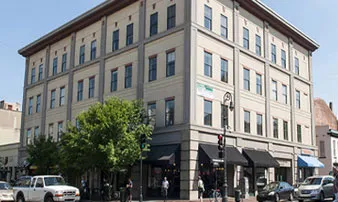
Atlanta/Decatur
1 West Court Square
Suite 750
Decatur, GA 30030
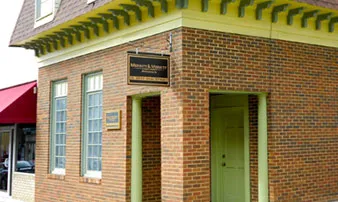
Savannah
100 Bull Street
Suite 200
Savannah, GA 31401
Statesboro
15 West Main Street
Statesboro, GA 30458
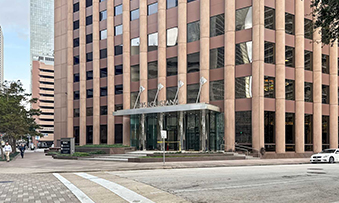
Houston
1415 Louisiana Street,
Suite 1800,
Houston, TX 77002

Jacksonville
841 Prudential Drive
12th Floor
Jacksonville, FL 32207

Contact Us
© Copyright 2026 Merritt & Merritt Law Firm. All rights reserved.