
call us 24/7 1-800-738-WE-WIN
call us 24/7 1-800-738-WE-WIN
Serving All of Georgia, Florida, & Texas
Columbus Traumatic Brain Injury Lawyer
Comprehensive Legal Guidance for Traumatic Brain Injury Claims in Columbus
A sudden impact or a violent jolt to the head can fundamentally alter the course of a person’s life in an instant. Whether the incident occurs during a high-speed collision on I-185 or a deceptively simple slip on a wet floor at a Walmart, the results of a brain injury are often profound and far-reaching. Unlike a broken arm or a laceration that heals with a visible scar, brain damage is difficult to see and treat. This lack of outward physical evidence often leads insurance companies and defense attorneys to minimize the severity of the victim’s experience. They may suggest the injury is minor or that the symptoms are exaggerated, which adds an enormous amount of emotional stress to an already difficult situation.
At Merritt & Merritt Law Firm, our Columbus traumatic brain injury lawyer team understands that there is no such thing as a minor injury when it affects the brain. Even a concussion can lead to months or years of cognitive struggle, personality changes, and physical pain. We believe that every victim deserves a legal advocate who understands the complex medical science involved in these cases. Our team is dedicated to helping families in Columbus navigate the legal system to secure the compensation necessary for medical care and long-term stability. If you are struggling with the aftermath of a head injury, please reach out to us at 706-955-1559 for a professional and helpful discussion about your rights.
Proving Brain Injuries Exist Even if the CT Comes Back Negative
A common challenge the Merritt & Merritt Law Firm team faces when pursuing traumatic brain injury (TBI) cases is the fact that initial CT scans might suggest that there is no injury. However, once you understand how a CT scan works and what it is used for, we usually find that this is not a problem. When emergency room doctors use a CT scan, they are looking for immediate life-threatening issues. They want to know if you have internal bleeding or if any bones in your skull are broken. CT scans look for those sorts of injuries.
What CT scans cannot show us is whether or not your brain has suffered microscopic tears. Even though these tears in the brain tissue are tiny, they can have dramatic effects on how you function. This is because the brain is incredibly complex, and even the most minute forms of brain damage can cause debilitating disabilities.
To prove a claim when the imaging is negative, we must focus on the clinical reality of the patient’s life. We look for specific markers of neurological trauma that are often overlooked by busy emergency room staff:
- Initial loss of consciousness, even if it lasts for just a few seconds, is crucial to notice. This is the primary indicator of brain trauma, but it can be easy to miss because it can come and go in the blink of an eye.
- Records of post-traumatic amnesia, where the victim cannot remember the moments leading up to or following the accident, are crucial pieces of evidence.
- We look for documentation of physical symptoms like chronic dizziness, light sensitivity, and nausea that persist long after the initial impact.
- Results from specialized balance testing and sensory evaluations can provide objective proof of a disrupted nervous system.
By looking at the whole person and their functional limitations, we can demonstrate to a jury that a “clear” scan is only a small part of the story.
Making Use of Neuroimaging and Expert Testimony
When standard imaging fails to show the source of a victim’s symptoms, we often turn to more advanced medical technology. In the years following an accident, persistent symptoms require a deeper look. Advanced neuroimaging techniques have revolutionized the way we present a traumatic brain injury to a jury. These tools allow us to move beyond basic snapshots and look at how the brain is actually functioning and communicating. When we combine this technology with the insights of world-class medical experts, we create a powerful and undeniable narrative of the injury.
Expert testimony is essential for explaining these complex concepts in a way that is easy for a layperson to understand. We work with a network of medical professionals who specialize in brain trauma.
- Diffusion Tensor Imaging (DTI) is utilized to map the white matter tracts in the brain, showing where the “wiring” has been stretched or broken.
- We partner with nationally renowned neuropsychologists to demonstrate what functions of the brain, such as memory or executive function, have been impaired and to what degree.
- Our team consults with our network of vocational experts to understand how the traumatic brain injury affects your ability to return to your previous job duties.
At Merritt & Merritt Law Firm, our experienced team of attorneys uses a wide array of resources to bring these experts to the courtroom. A personal injury case depends upon the medical evidence, so we gladly consult with medical and financial experts to help examine your injury and how it will continue to impact your life.
Post-Concussion Syndrome and Work Restrictions
For a significant number of people, the symptoms of a concussion do not resolve within the typical two-week window. When headaches, brain fog, and fatigue last for months or even years, the diagnosis often shifts to post-concussion syndrome. This is a debilitating condition that can make the demands of a modern workplace feel overwhelming. Many of our clients try to return to work too early, only to find that staring at a computer screen or multitasking triggers a massive spike in their symptoms. This often leads to a cycle of failed return to work attempts and increasing depression.
We work closely with your medical team to establish clear, enforceable work restrictions that protect your health and your legal claim. These restrictions are not just suggestions; they are necessary medical requirements.
- We advocate for limited screen time and blue light filters to help manage the visual strain that often triggers migraines.
- Gradual return to work schedules are established to ensure that the brain is not overloaded before it is ready to handle the stress.
- Requirements for a quiet, low-distraction work environment are documented for those suffering from noise sensitivity.
- We document the need for frequent rest breaks, as the injured brain requires significantly more energy to process information.
These restrictions provide the evidence needed to claim lost wages and diminished earning capacity. If you cannot perform your job at 100% capacity, the person who caused your injury should be responsible for the financial gap that is created in your life.
Accounting for Long-Term Care and Support Needs
A severe traumatic brain injury can leave a person requiring assistance for the rest of their life. This is a heavy burden for any family to carry, both emotionally and financially. The costs of long-term care can easily reach seven figures when you factor in the need for specialized housing, 24-hour nursing care, and ongoing therapy. Our goal is to ensure that your family is never left wondering how they will pay for the next month of treatment. We take a proactive approach by projecting these costs decades into the future.
To determine the true value of a case, we work with life care planners who create a comprehensive roadmap for your future needs.
- We include the costs of recurring physical, occupational, and speech therapy sessions to maintain your current level of function.
- Funding for psychological counseling is secured to help both the victim and the family cope with the changes in their lives.
- Calculations include the cost of medications and regular follow-up visits with neurological specialists for the remainder of your life.
We are committed to securing a settlement or verdict that provides a lifetime of security. You should be able to focus on your family and your recovery without the constant weight of financial uncertainty.
The Value of a Traumatic Brain Injury Team at Merritt & Merritt Law Firm
When it comes to a traumatic brain injury (TBI) case, your case is only as good as the evidence you provide. While testimony from you and your family about the injuries you have suffered can be helpful, your claim becomes stronger if you can provide medical evidence. After all, that is one reason why the insurance companies will pull every trick in the book in an attempt to make it seem like your injury is “no big deal,” and you should “just get over it.”
At Merritt & Merritt Law Firm, our team has decades of experience consulting with medical experts to analyze your injuries and show exactly how they were caused. This allows us to calculate the full value of your case, which helps ensure that you are properly compensated for what you have gone through.
For years, the people of Columbus have turned to Merritt & Merritt Law Firm when they have suffered serious injuries and need someone to speak for them. We are proud of this community, and we are here to help. If you have suffered a TBI and want to explore your options, call us today at 706-955-1559 to speak to a Columbus traumatic brain injury lawyer.
Our Locations

Atlanta/Decatur
1 West Court Square
Suite 750
Decatur, GA 30030

Savannah
100 Bull Street
Suite 200
Savannah, GA 31401

Statesboro
15 West Main Street
Statesboro, GA 30458
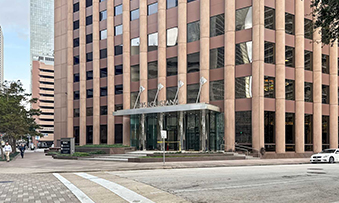
Houston
1415 Louisiana Street,
Suite 1800,
Houston, TX 77002

Jacksonville
841 Prudential Drive
12th Floor
Jacksonville, FL 32207

Contact Us
© Copyright 2026 Merritt & Merritt Law Firm. All rights reserved.