
call us 24/7 1-800-738-WE-WIN
call us 24/7 1-800-738-WE-WIN
Serving All of Georgia, Florida, & Texas
Black Houston Car Accident Attorneys
Find Support After a Crash
A car accident can disrupt your health, work, transportation, and family life in an instant. When you are also trying to get answers from an insurance company, it can be difficult to know what to do first or whom to trust. If you are searching for Black Houston car accident attorneys, you may be looking for more than someone who understands an insurance claim. You may want an attorney who listens carefully, respects your experience, explains your options plainly, and treats you as a person—not a case number.
Those expectations are reasonable. You should feel comfortable asking questions about an attorney’s background, experience, approach to communication, and understanding of the concerns that matter to you. You should also be able to discuss the details of your crash without feeling rushed or dismissed. Call Merritt & Merritt at 713-535-7051 to ask about your options after a Houston-area collision.
Why the Attorney–Client Relationship Matters
An injury claim often requires you to share sensitive information: medical symptoms, missed income, financial pressures, and the ways an injury has changed your routine. Trust makes those conversations easier. Some people specifically seek a Black attorney because shared experiences or cultural understanding are important to them. Others prioritize a lawyer’s track record with a particular type of crash, availability, or communication style. There is no single right way to choose counsel.
The important thing is to make an informed choice. In an initial conversation, ask who will handle your case, how you will receive updates, and what information the attorney needs from you. You can also ask directly about attorney identity and representation if that is important to your decision. A useful consultation should give you space to explain what happened and help you understand what questions still need answers.
What to Do After a Houston Car Accident
Your health comes first. If you need emergency care, seek it. Even if you initially feel able to go home, symptoms may become more noticeable later. Tell a medical professional about the collision and describe your symptoms accurately. Follow-up care can help you address your condition and create a record of what you experienced.
If it is safe to do so, preserve information about the crash. Photographs of vehicle damage, the roadway, traffic controls, and visible injuries may be useful. Keep the names and contact information of drivers and witnesses, along with any crash report information you receive. Save repair estimates, medical bills, prescription receipts, and communications from insurers. Make a note of pain, limitations, missed work, and appointments while the details are fresh.
Avoid guessing about the cause of the collision or the extent of your injuries. You may not yet know all the facts, and a quick conversation at the scene rarely captures everything. If an insurer requests a recorded statement or presents paperwork for your signature, take time to understand what is being requested before you respond.
How a Car Accident Attorney Can Help
A car accident attorney can help organize the facts, assess potential sources of recovery, and communicate with insurers. Depending on the case, that work may include obtaining a crash report, reviewing photographs or video, speaking with witnesses, collecting medical records, examining insurance coverage, and identifying disputed issues. The attorney can also help you understand what information supports a demand and how an insurer arrived at an offer.
Not every crash leads to a lawsuit. Some claims resolve through negotiation; others require litigation to address disagreements about fault, injury, or value. An attorney should explain the available paths, the likely work involved, and the decisions that remain yours. No responsible lawyer can guarantee a settlement amount or outcome at the beginning of a case.
Crashes Can Raise Different Questions
A rear-end collision may seem straightforward until the parties disagree about what happened in the moments before impact. An intersection crash may turn on traffic signals, visibility, witness accounts, or vehicle movements. A commercial-vehicle collision may involve records and insurance arrangements different from those in a two-car crash. A rideshare or delivery-related crash can prompt questions about who was driving for whom and which coverage applies.
Pedestrians, cyclists, and motorcyclists may face serious injuries and disputes about how the collision occurred. Multi-vehicle crashes can involve several accounts of the same event. In every situation, the details matter. A useful evaluation starts with the evidence in your case rather than assumptions based on the type of collision.
Understanding Losses After an Injury
A claim may involve more than the first emergency-room bill or the cost of repairing a vehicle. Injuries can require follow-up visits, therapy, medication, or time away from work. They may interfere with childcare, household responsibilities, sleep, or activities that mattered before the crash. Keep records of these effects, even when they seem difficult to put into words.
The recoverable categories and amounts depend on the facts and applicable law. Medical documentation, employment records, receipts, and a clear account of how your daily life changed can help an attorney evaluate the claim. If you had a prior medical condition, do not hide it. An honest discussion allows counsel to understand what changed after the collision and what records may be relevant.
Property damage and bodily-injury issues may move on different timelines. Getting a car repaired does not necessarily mean every injury question has been resolved. Likewise, receiving medical care does not automatically establish who caused a crash or what an insurer will pay. Each issue deserves careful attention.
What If the Insurance Company Calls?
An adjuster may contact you soon after a collision and ask for your account, medical information, or a release. Keep a record of the insurer’s name, claim number, adjuster’s name, contact details, and what was requested. Be accurate, but do not feel pressured to estimate future treatment needs or accept a quick resolution before you understand your condition.
Insurance companies evaluate claims using the information available to them, and disputes can arise over liability, the relationship between a crash and an injury, or the amount of a loss. If an offer does not make sense to you, ask how it was calculated and what it covers. Before signing a release, make sure you understand whether it would end your ability to pursue further payment for the claim.
Questions to Ask When Choosing Counsel
Searching for Black Houston car accident attorneys is a starting point, not the end of your research. If you are considering Merritt & Merritt, a conversation can help you determine whether the lawyer you speak with is right for you. Consider asking:
- Who will be my primary contact, and how often can I expect an update?
- What experience do you have with collisions and injuries like mine?
- What facts do you need before you can assess the claim?
- How do you approach negotiations, and when might litigation be considered?
- What fees and case expenses might I be responsible for, and when?
- Are there deadlines or evidence-preservation steps I should address now?
Notice whether you receive direct answers. You should understand the proposed working relationship before you agree to representation. Ask for a written explanation of any fee arrangement and take the time to read it.
Houston Roads, Real-Life Consequences
A crash on a freeway, neighborhood street, or busy intersection can affect much more than the trip you were taking. You may need to arrange transportation while your vehicle is unavailable, coordinate appointments around work, or help a family member who was also injured. Those practical pressures are part of why timely, clear communication matters.
If you can, keep one folder for accident-related materials. Include photos, correspondence, repair documents, medical paperwork, wage information, and notes about conversations. Send new information to your attorney as it becomes available. If your symptoms change or you learn of another witness or camera, share that promptly. An organized record helps everyone focus on the facts rather than trying to reconstruct them months later.
Frequently Asked Questions
Do I have to know who caused the crash before I call an attorney?
No. The available evidence may be incomplete, and the drivers may disagree. Describe what you know, what you observed, and what you do not know. An attorney can identify what information may help clarify the sequence of events.
What if I did not go to the hospital immediately?
You can still discuss the collision and your symptoms with an attorney. Medical timing may become an issue in the claim, so give an accurate account of when symptoms began, why you sought care when you did, and any changes since then. Seek medical attention when you need it rather than making treatment decisions solely for a claim.
Should I keep talking to the other driver’s insurer?
You may need to communicate basic information, but you can ask questions about the purpose of a request and seek legal guidance before giving a recorded statement, broad authorization, or signed release. Do not make false statements or ignore time-sensitive correspondence. Keep copies of what you receive and send.
How much is my case worth?
There is no reliable single figure without reviewing the collision, injuries, records, insurance, and other relevant facts. An early estimate may change as treatment progresses or new evidence becomes available. Be cautious of anyone who promises a specific result without investigating.
Start With a Conversation
You deserve a chance to be heard and to make decisions based on clear information. Whether your immediate concern is a medical bill, a disputed account of the crash, missed work, or an insurer’s offer, bring your questions and the records you have. You can ask about attorney background and communication style as well as the legal issues in your case. Call Merritt & Merritt at 713-535-7051 to discuss a Houston-area car accident and learn what the next conversation could cover.
Our Locations

Atlanta/Decatur
1 West Court Square
Suite 750
Decatur, GA 30030

Savannah
100 Bull Street
Suite 200
Savannah, GA 31401

Statesboro
15 West Main Street
Statesboro, GA 30458
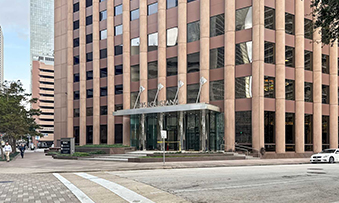
Houston
1415 Louisiana Street,
Suite 1800,
Houston, TX 77002

Jacksonville
841 Prudential Drive
12th Floor
Jacksonville, FL 32207

Contact Us
© Copyright 2026 Merritt & Merritt Law Firm. All rights reserved.