
call us 24/7 1-800-738-WE-WIN
call us 24/7 1-800-738-WE-WIN
Serving All of Georgia, Florida, & Texas
Benefits of Hiring a Lawyer for Small Claims
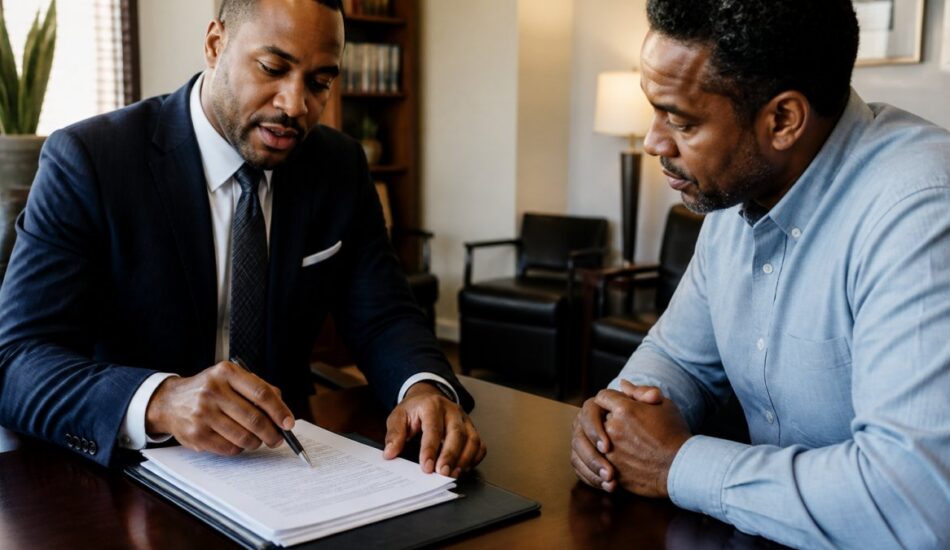
Table of Contents
- Why You Should Consider Hiring a Lawyer for Small Claims Court
- Do You Need a Lawyer for Small Claims Court
- Key Advantages of Legal Representation in Small Claims
- Small Claims Court Lawyer Fees and Cost Considerations
- How to Prepare for Small Claims Court With Legal Help
- Small Claims Court Evidence Checklist for Your Case
- Self-Representation Versus Hiring an Attorney
- Negotiating Settlements and Enforcing Your Judgment
- Frequently Asked Questions
Last Updated: October 6, 2026
Why You Should Consider Hiring a Lawyer for Small Claims Court
Call the Merritt & Merritt Law Firm today at 404-975-1775. Offices in Atlanta, Savannah, Statesboro, and Houston.
When you’re injured or wronged, small claims court seems straightforward. No lawyers needed, right? The reality is more complicated. Many people who represent themselves leave money on the table, sometimes thousands of dollars, because they don’t understand the rules, how to present evidence effectively, or what their case is actually worth. Hiring a lawyer for small claims doesn’t always mean spending more than you recover.
This guide walks you through when a lawyer makes sense, what you gain by hiring one, and how to think about the cost versus the benefit.
Do You Need a Lawyer for Small Claims Court
Whether you need a lawyer for small claims depends on your case complexity, the amount involved, and your comfort navigating legal procedures. Not every small claim requires legal representation, but many benefit from it.
Small claims court exists to handle disputes under a set dollar limit (which varies by state, typically ranging from $5,000 to $25,000) (Understanding small claims court). The process is designed to be accessible without lawyers. You file a claim, the defendant responds, and a judge decides. Sounds simple. In practice, the person who understands the rules, presents evidence clearly, and knows what damages to claim usually wins.
Consider self-representation if your case involves straightforward facts, clear liability, and documented losses. A landlord keeping your security deposit without justification, a contractor who didn’t finish work you paid for, or a neighbor’s dog damaging your fence, these are cases where the facts speak for themselves. You have receipts, photos, or witnesses. The defendant has no real defense.
Hire a lawyer if your case involves injury, disputed liability, or significant medical expenses. Personal injury claims from car accidents, slip-and-fall incidents, or property damage often involve medical records, insurance company tactics, and questions about what caused your injuries. These require legal knowledge to navigate properly.
Key Advantages of Legal Representation in Small Claims
A lawyer brings three core advantages: knowledge of the rules, investigation and evidence gathering, and negotiation power.
Understanding Your Legal Rights and Liability
Most people don’t know what they’re actually entitled to recover. Small claims allows you to claim actual damages (medical bills, lost wages, property repair costs) and, in many jurisdictions, pain and suffering. But how much is pain and suffering worth? Without guidance, you either lowball yourself or ask for an unrealistic amount the judge dismisses.
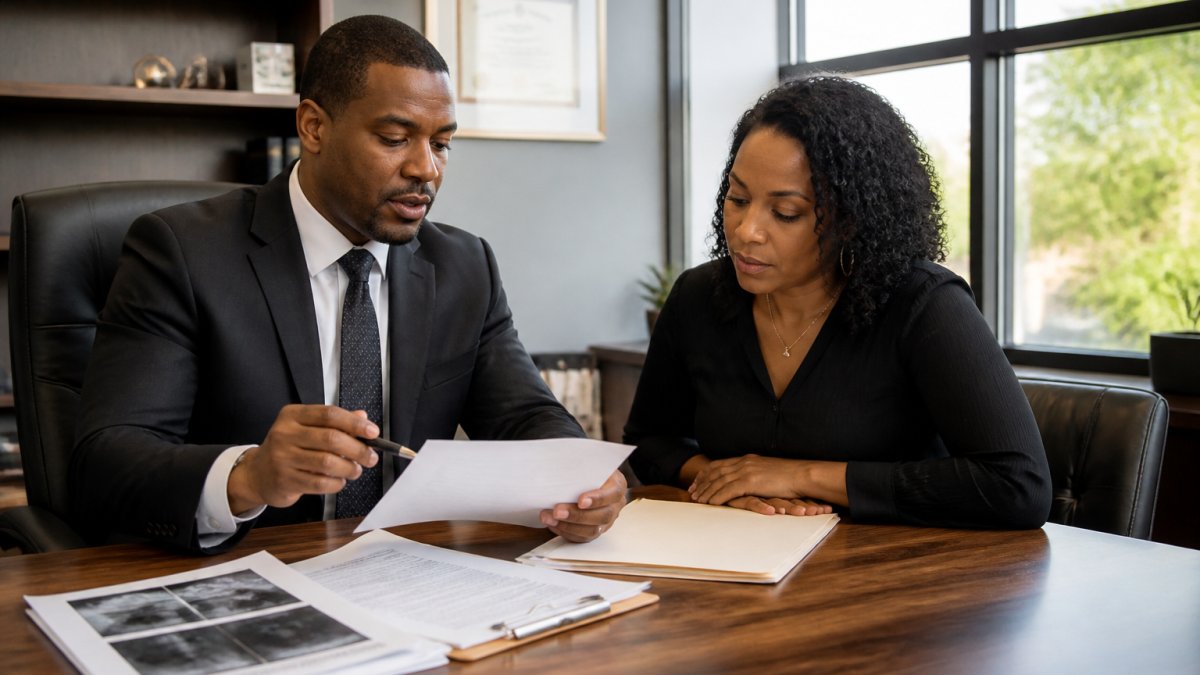
A lawyer explains your rights under the law in your state. They clarify what damages are recoverable in your specific situation. They help you understand liability rules, whether the defendant’s actions were actually negligent, whether you contributed to the injury (which affects recovery in some states), and what evidence proves fault.
Building a Stronger Case Through Investigation
Self-representation often means presenting only the evidence you already have. A lawyer investigates further. They request police reports, medical records, surveillance footage, witness statements, and insurance documents. They identify gaps in your evidence and work to fill them before trial.
In a car accident case, a lawyer obtains the police report, photographs of vehicle damage, medical imaging, and treatment records. They may hire an accident reconstructionist if liability is disputed. They interview witnesses while memories are fresh. They gather evidence of lost wages from your employer. By the time you reach court, the case is airtight.
Small Claims Court Lawyer Fees and Cost Considerations
The cost structure for hiring a lawyer in small claims varies. Many personal injury attorneys, including Merritt & Merritt Law Firm, work on contingency: you pay nothing upfront, and the lawyer takes a percentage of your recovery if you win. If you lose, you pay nothing.
This arrangement aligns the lawyer’s incentive with yours. They only get paid if you recover money. They won’t take weak cases because they won’t profit from them. They work hard to maximize your settlement because their fee depends on it.
Contingency fees typically range based on the work involved and the jurisdiction. Ask any lawyer you consult what their fee percentage is and whether it applies to the gross recovery or the net amount after costs.
Some lawyers charge hourly rates for small claims work, though this is less common for personal injury cases. If you choose hourly representation, budget for initial consultation, case preparation, and court appearance time. Request an estimate upfront.
How to Prepare for Small Claims Court With Legal Help
Preparation determines outcomes. A lawyer structures your case for maximum impact.
Start by gathering all documentation: medical records, receipts, invoices, photographs, correspondence with the defendant or their insurance company, and pay stubs showing lost wages. Organize these chronologically.
Write down your account of what happened while it’s fresh. Include dates, times, locations, weather conditions, what you were doing, and exactly what happened. Note any injuries or damage you noticed immediately and in the days after.
Identify witnesses. Get their names, phone numbers, and email addresses. A witness statement from someone who saw the accident or injury carries weight. A lawyer formalizes these statements and may have witnesses testify at trial.
Photograph everything relevant to your claim. If you were injured, photograph the accident scene. If property was damaged, photograph the damage and the scene conditions. If you slipped and fell, photograph the hazard that caused the fall.
Schedule a Free Consultation →
Medical documentation is critical. Obtain all medical records related to your injury: emergency room visit notes, X-rays, MRI results, physical therapy records, and follow-up visit summaries.
Keep records of all expenses related to your injury: pharmacy receipts for medications, transportation to medical appointments, and any equipment you purchased (braces, crutches, etc.). These are actual damages you can claim.
Small Claims Court Evidence Checklist for Your Case
Effective evidence tells a complete story. Here’s what to gather:
Evidence Type | Why It Matters | Where to Get It |
|---|---|---|
Police/incident report | Establishes official record of what happened | Police department or online portal |
Medical records | Proves injury severity and treatment | Healthcare provider or hospital records department |
Photographs | Visual proof of damage, scene conditions, injuries | Your phone, camera, or scene documentation |
Receipts and invoices | Documents actual expenses and losses | Original documents, credit card statements, email confirmations |
Pay stubs or wage loss letter | Proves lost income from injury or recovery time | Employer HR department |
Witness statements | Corroborates your account from independent observers | Written statements or recorded testimony |
Insurance correspondence | Shows what the insurer acknowledged or offered | Email, letters, claim file documents |
Medical bills and invoices | Itemizes treatment costs and expenses | Healthcare providers, pharmacies, medical suppliers |
Photographs of injuries | Shows progression of healing and impact | Your phone photos taken over time |
Expert reports | Establishes causation or extent of injury (if needed) | Medical professionals or accident reconstructionists |
Present evidence in logical order. Start with proof of liability (what the defendant did wrong), then proof of damages (how much you lost). A lawyer sequences evidence to build a compelling narrative.
Self-Representation Versus Hiring an Attorney
Self-representation saves on lawyer fees but costs time, carries legal risk, and often results in lower recovery.
When you represent yourself (called “pro se” representation), you handle everything: filing paperwork, meeting deadlines, gathering evidence, responding to the defendant’s arguments, and presenting your case in court.
Common mistakes self-represented litigants make include missing filing deadlines, failing to serve the defendant properly, presenting evidence that’s inadmissible under court rules, and not knowing how to cross-examine the defendant’s witnesses. These mistakes can cost you the case or reduce your recovery significantly.
A lawyer knows the rules, understands what judges expect, and presents your case persuasively. They’ve tried dozens or hundreds of cases and know what works. They handle the procedural details so you don’t have to.
The trade-off is simple: you pay a percentage of your recovery to a lawyer, but you recover more overall. You also reduce stress and uncertainty. You’re not worrying whether you filed something correctly or whether you forgot to present important evidence.
For straightforward cases with clear liability and documented losses under $5,000, self-representation might make sense. For anything involving injury, disputed facts, or larger amounts, a lawyer typically pays for itself.
Negotiating Settlements and Enforcing Your Judgment
Most small claims cases settle before trial. Settlement means the defendant or their insurance company agrees to pay you a specific amount, and you agree not to pursue the claim further.
A lawyer negotiates on your behalf. They understand what your case is worth based on comparable cases, the strength of your evidence, and the risks of trial.
Settlement offers come in writing. Your lawyer reviews the offer, advises you whether it’s reasonable, and explains your options. You make the final decision, a lawyer advises but doesn’t decide for you.
If the defendant refuses to settle and you win at trial, the judge issues a judgment. A judgment is a court order saying the defendant owes you money. But a judgment isn’t automatically paid. The defendant might ignore it.
A lawyer handles judgment enforcement. They file the necessary paperwork, locate the defendant’s assets, and pursue collection. This is another advantage of legal representation: you don’t have to chase down payment yourself.
Deciding whether to hire a lawyer for small claims comes down to case complexity and potential recovery. Merritt & Merritt Law Firm handles small claims and personal injury cases on a contingency basis, meaning you pay nothing unless we recover for you.
Frequently Asked Questions
Is it worth hiring a lawyer for a small claims case?
Whether hiring a lawyer is worth it depends on your case complexity, the amount at stake, and your comfort level navigating court procedures. A lawyer can strengthen your case through proper documentation, evidence presentation, and legal strategy. If your claim involves significant damages, multiple liable parties, or complex liability questions, legal representation often increases your chances of recovery. Many attorneys work on contingency for small claims, meaning you pay only if you win, which reduces your financial risk.
Can a lawyer represent me in small claims court?
Yes, lawyers can represent you in small claims court. However, some states impose restrictions on attorney representation in small claims cases, so the rules vary by jurisdiction. Even where attorneys are permitted, the claim limits and procedural rules of small claims court may affect how your attorney can assist. A lawyer can help you prepare your case, organize evidence, file necessary documents, and represent you at the hearing. Contact an attorney in your state to confirm what representation is available for your specific claim.
What should I include in a small claims court evidence checklist?
Your evidence checklist should include photographs of property damage or injury, medical records and bills, repair estimates, receipts and invoices, written communications with the defendant, witness contact information and statements, proof of payment for services or goods, insurance documents, and any contracts or agreements relevant to the dispute. Organize documents chronologically and label each piece clearly. Keep originals safe and bring copies to court. If you have video evidence, ensure it’s dated and relevant to your claim. An attorney can help you identify which evidence is strongest and most admissible in court.
How long does a small claims case typically take from filing to resolution?
Small claims cases usually take between three to six months from filing to resolution, though timelines vary by jurisdiction and case complexity. The process includes filing your claim, serving the defendant, a waiting period for their response, and the court hearing. Some cases settle earlier through negotiation, while others may take longer if appeals or judgment enforcement is needed. An attorney can help expedite the process by ensuring proper filing, meeting all deadlines, and pursuing settlement discussions when appropriate. Your attorney can provide a more specific timeline based on your local court’s schedule and your case details.
Our Locations

Atlanta/Decatur
1 West Court Square
Suite 750
Decatur, GA 30030

Savannah
100 Bull Street
Suite 200
Savannah, GA 31401

Statesboro
15 West Main Street
Statesboro, GA 30458

Houston
1415 Louisiana Street,
Suite 1800,
Houston, TX 77002

Jacksonville
841 Prudential Drive
12th Floor
Jacksonville, FL 32207

Contact Us
© Copyright 2026 Merritt & Merritt Law Firm. All rights reserved.